
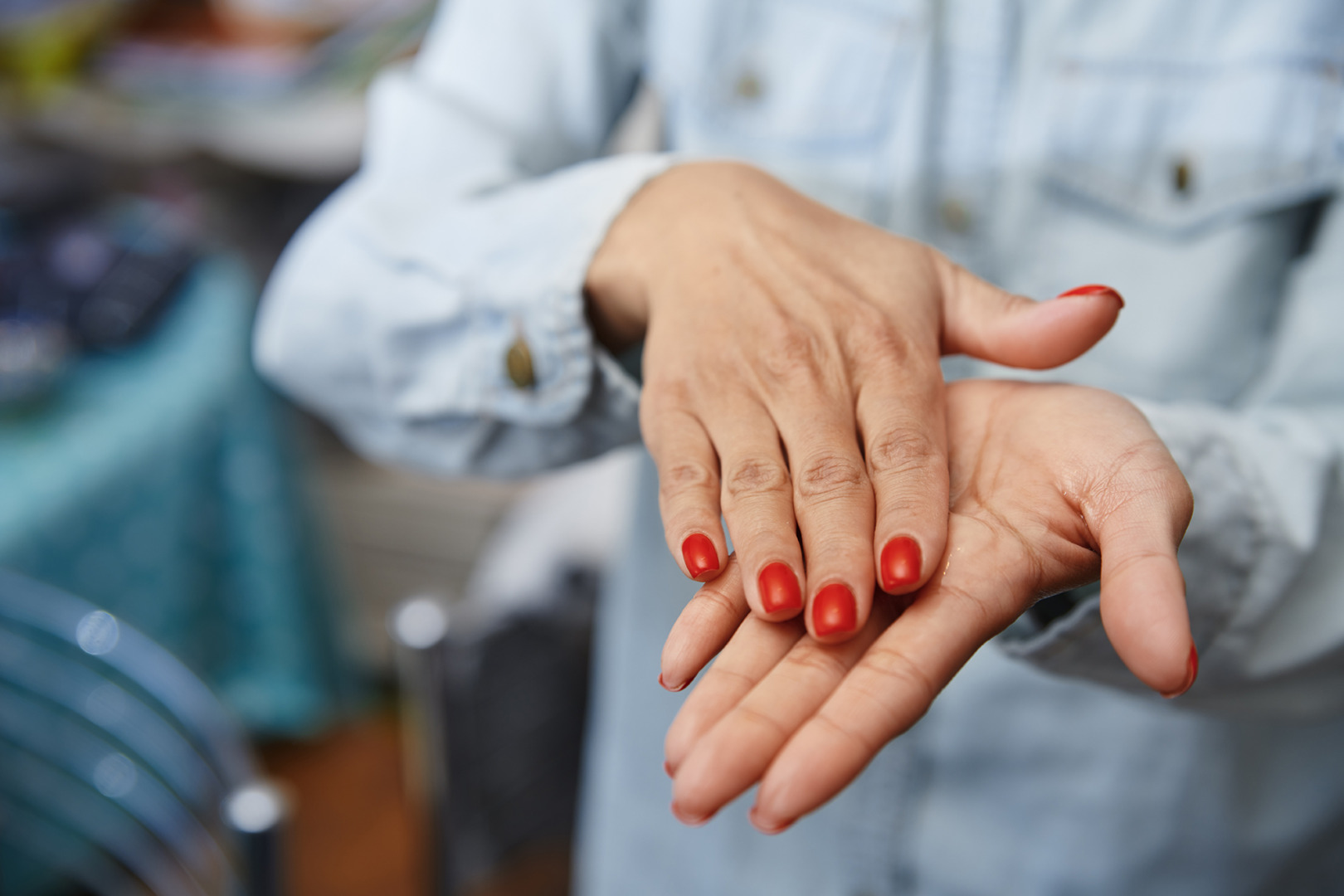

Palmar hyperhidrosis symptoms primarily involve excessive hand sweating, though there are variations and subsequent day-to-day problems.
Palms may feel damp, clammy, or so wet they drip. Some people notice this in both hands at the same time. Sweaty palm symptoms may make it hard to grip a pen, use a touchscreen, handle paper, work with tools, or manage handshakes confidently. Over time, hyperhidrosis can affect work, school, confidence and social interactions. In some people, the impact can be significant enough to cause real psychological, social and professional distress.
In primary palmar hyperhidrosis, sweating may happen even when the person is cool, calm, and otherwise well. The symptoms can worsen with heat, stress, embarrassment, or spicy foods. Singapore’s hot, humid weather can worsen symptoms.
Sweaty palms often begin in childhood or adolescence and may run in families. Sweaty feet in particular often accompany sweaty palms in people with primary hyperhidrosis. Secondary or generalised hyperhidrosis with sweaty patterns is less common and more likely to be caused by another medical condition or medication.
Sweating is controlled by the sympathetic nervous system. Sweaty palms happen because the nerves that control the sweat glands are overactive.
In palmar hyperhidrosis, the sympathetic nervous system sends too many nerve signals to the sweat glands, specifically in the hands and feet. That overactivity of the nervous system leads to sweat production out of proportion to body temperature or physical activity. The exact cause is still not fully understood, but emotional stimuli appear to trigger an exaggerated sweating response in some people. In many, this pattern starts early in life and is not a reflection of poor hygiene, infection, or anything the person has done wrong.
Many people with primary sweaty palms are otherwise healthy. There are no serious health risks in most primary cases, but the ongoing burden on daily activities and quality of life is real. That is why so many ask the question how to prevent sweaty palms, because of the repercussions on their daily life. A healthcare professional can help clarify the causes and provide advice and answers about the best next steps.
At Neumark Lung & Chest Surgery Centre, a diagnosis of sweaty palms begins with a careful history and examination. This includes when sweaty palms or sweaty feet symptoms first started in your life, which body areas are affected, whether symptoms happen on both sides, whether other family members are affected, and how much the condition disrupts daily life.
The next step is to determine whether the pattern is consistent with primary localised hyperhidrosis or indicates a secondary cause. Signs that suggest a secondary cause include more generalised sweating, later onset, or symptoms that point to an underlying illness. In these cases, further evaluation may be needed before treatment is chosen.
This step matters because the best way on how to reduce sweaty palms is not always surgery. A clear diagnosis helps match the treatments to the condition and avoid unnecessary procedures.
Surgery for sweaty palms may be considered when symptoms are severe, clearly affecting the quality of life, and have not improved enough with non-surgical treatment.
The operation used for this is endoscopic or Video-Assisted Thoracoscopic Sympathectomy (VATS). It works by interrupting part of the sympathetic nervous system nerve chain within the thoracic cavity that drives excessive sweating in the hands. For the right patient, this can produce a major, immediate reduction in hand and palm sweating. The operation is performed under general anaesthesia through small skin incisions in the chest wall, usually through 1 to 3 small incisions near the armpit region. Because the sympathetic nerve segment is cut or interrupted, this change cannot be reversed.
This operation should be approached carefully. It is not the first-line treatment for palmar hyperhidrosis for most, and it should not be presented as the right answer for every case. A full discussion should cover the expected benefits, alternatives and the possibility of compensatory sweating in other parts of the body after surgery. Most patients notice some degree of compensatory sweating after surgery, but only a smaller group find it severe or particularly troublesome, in which case it is more troublesome than the original sweaty palms condition.
That does not mean surgery has no role. It means patient selection matters. For people who are genuinely troubled by severe palmar hyperhidrosis and have already tried appropriate non-surgical options, sympathectomy can still be an effective treatment when chosen with care and with a clear understanding of the trade-offs.
At Neumark, Dr Harish Mithiran is a senior consultant thoracic surgeon who uses minimally invasive thoracic techniques to assess and treat chest conditions, including sympathectomy where appropriate.
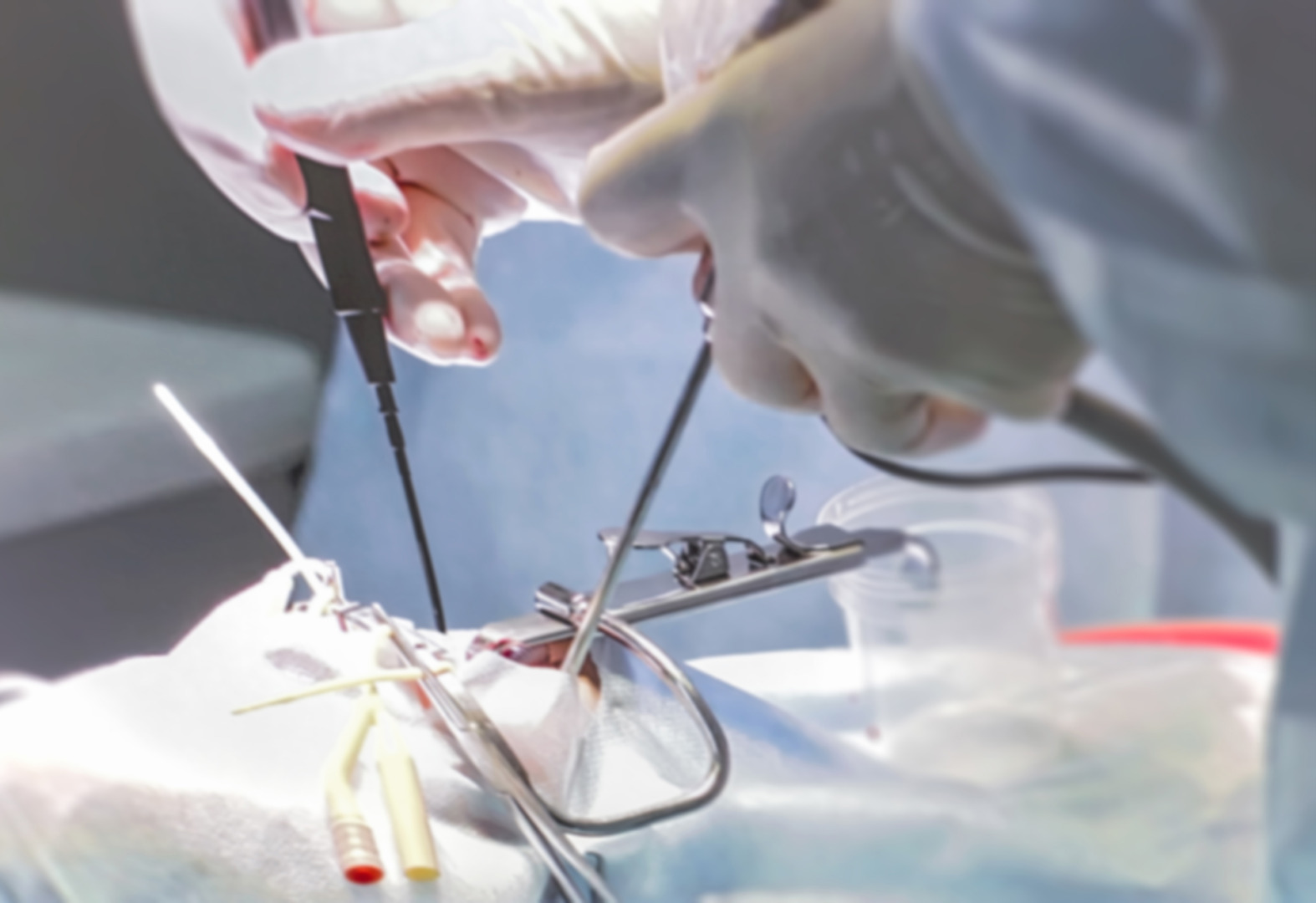
Recovery after a sympathectomy is often quick, but patients still need clear counselling and follow-up. Most patients stay in the hospital for 1 to 2 nights, depending on their recovery and whether chest drainage is needed for longer.
Because the operation is minimally invasive, many patients with sweaty palms return to light activities within days and resume most normal routines within about a week, though strenuous activity may need to wait longer. Mild chest discomfort can occur after surgery, and post-operative instructions should be followed closely. Patients should understand that what is normal in the first few weeks after the procedure may include compensatory sweating on the back, abdomen, or feet.
As with any chest operation, there are risks. These can include an air leak from the lung, bleeding, infection and pain. There is also a small risk of Horner’s syndrome, which can cause drooping of the eyelid and a smaller pupil on one side if nearby nerves are affected. In rare cases, symptoms may return over time because of nerve regrowth or incomplete interruption of the nerve pathway.
A balanced discussion before surgery is one of the most important parts of care. Patients should understand that the goal is a meaningful symptom relief, which is more complex than a nonexistent, perfect, or risk-free cure for sweaty palms.
The best treatment for sweaty palms in Singapore depends on the cause, the severity, and how much the condition affects daily life.
Neumark offers assessments for patients with sweaty palms whose symptoms have become difficult to manage or are affecting their quality of life. The focus should be on careful diagnosis first, then on a stepwise treatment plan that starts with appropriate non-surgical options and moves to surgery only when indicated.
Neumark Lung & Chest Surgery Centre specialises in minimally invasive thoracic surgery with a multidisciplinary approach led by Dr Harish Mithiran, senior consultant thoracic surgeon at Gleneagles and Mount Alvernia hospitals. If sweaty palms or sweaty feet are affecting your work, daily tasks, or your confidence, a consultation can help clarify the causes and identify the most appropriate treatment options for you.