Lung cancer doctor in Singapore

Lung Cancer

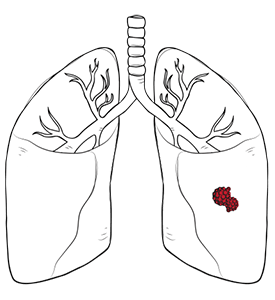
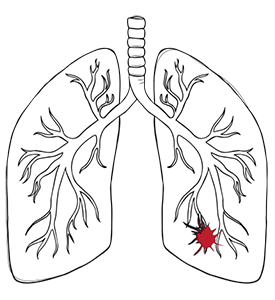
Lung cancer happens when cells in the lungs develop changes in their DNA. These changes tell the cells to grow and divide when they should not. Over time, the new cells can form a tumour. Lung cancer can also spread to other parts of the body. Smoking is the most common cause, but lung cancer can occur in people who have never smoked. Diagnosis often includes imaging tests such as CT scans and a biopsy to confirm the type of cancer. Treatment depends on the type and stage of the cancer and may include surgery, chemotherapy, radiotherapy, targeted therapy, or immunotherapy.

Symptoms and Causes

Lung cancer does not always cause symptoms early on. Symptoms may include a persistent cough, chest pain, shortness of breath, coughing up blood, and unexplained weight loss. Smoking is the biggest risk factor. Other causes and risk factors include second-hand smoke, radon, asbestos, air pollution, and some chronic lung diseases.

More about Symptoms & Causes

Types of Lung Cancer

The two main types are non-small cell lung cancer (NSCLC) and small cell lung cancer (SCLC). NSCLC is more common and includes adenocarcinoma, squamous cell carcinoma, and large cell carcinoma. SCLC tends to grow and spread more quickly and is strongly linked to smoking.

More about Types of Lung Cancer

Lung Cancer Stages

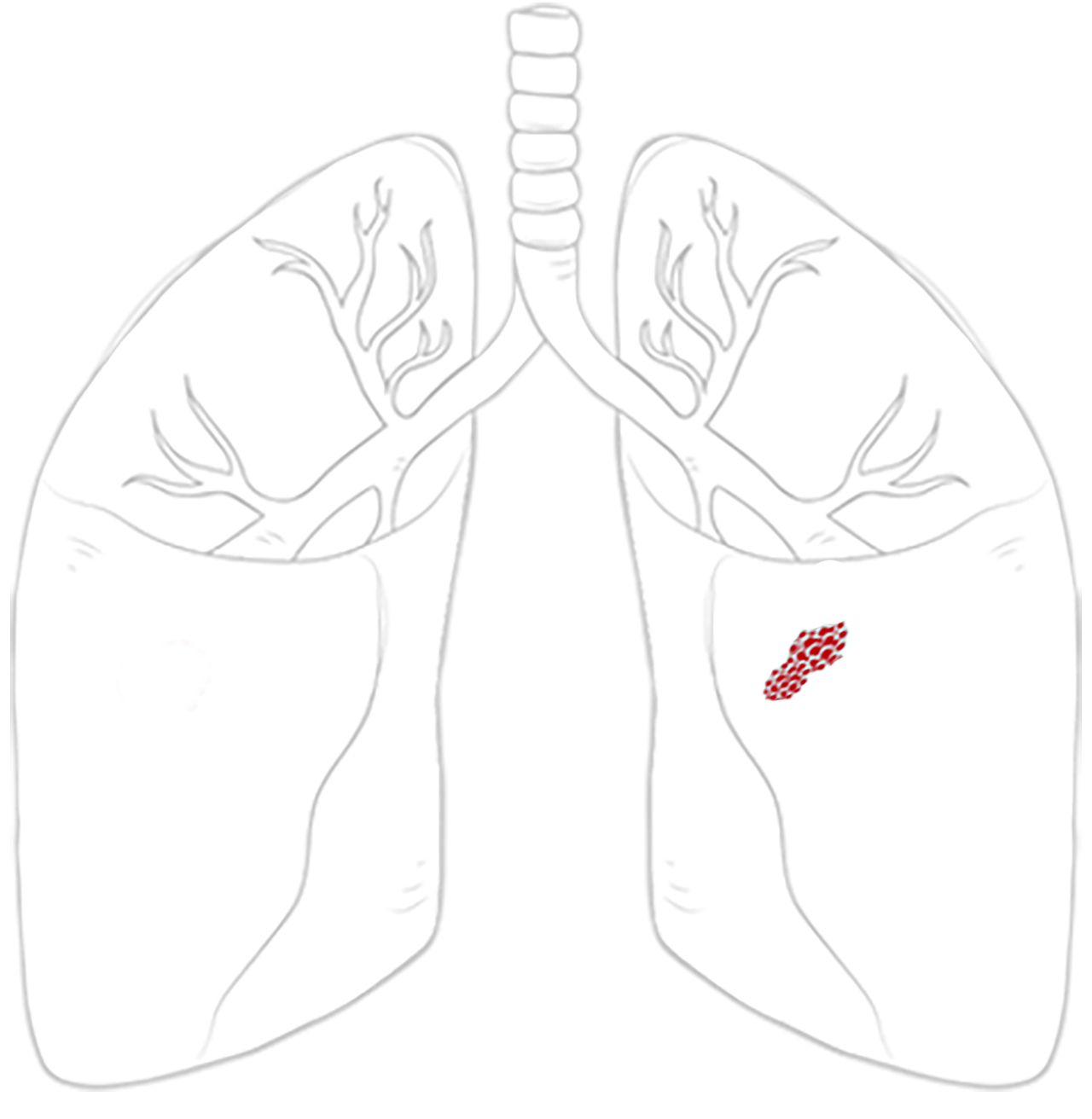
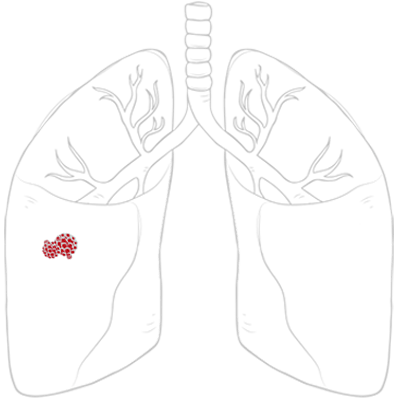
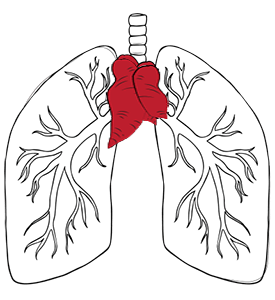
Lung cancer stages describe how large the cancer is and how far it has spread. Stage I is small and limited to the lung. Stage II and Stage III may involve larger tumours or spread to nearby lymph nodes in the chest. Stage IV means the cancer has spread to distant parts of the body, such as the brain, bones, or liver.

More about Lung Cancer Stages

Diagnosis and Treatments

Diagnosis usually starts with imaging tests. A biopsy confirms whether cancer is present and identifies the type. Staging tests show whether the cancer has spread. Treatment depends on the cancer type, stage, and your overall health. Your healthcare team will use these details to recommend a plan.

More about Diagnosis and Treatments

Lung Cancer Surgery

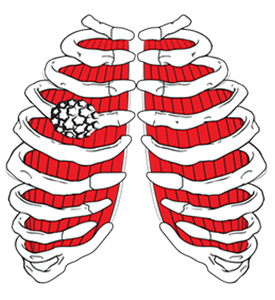
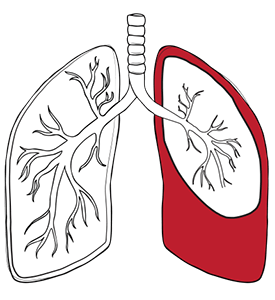
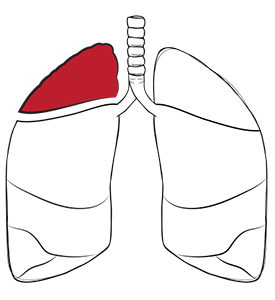
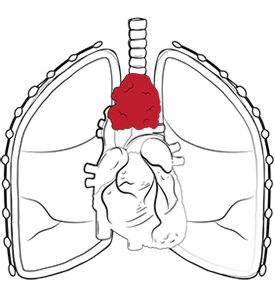
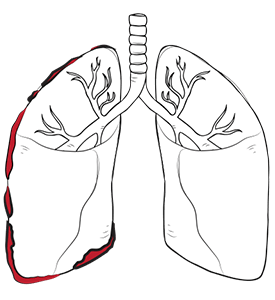
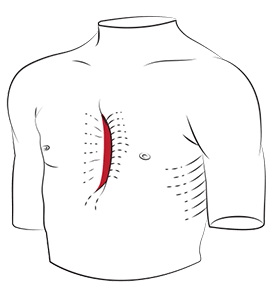
Lung cancer surgery removes the tumour and a small rim of healthy tissue around it. The operation may remove a wedge or segment of lung, a full lobe (lobectomy), or rarely an entire lung (pneumonectomy). Surgery may be done through a larger incision or with minimally invasive approaches such as VATS or robotic-assisted surgery using smaller cuts. Lymph nodes are typically removed or sampled to assess for metastatic spread. Pain and fatigue are common after surgery, and recovery time varies.

More about Lung Cancer Surgery

Living Well After

Self-care is an important part of cancer care. It may help to bring a family member or friend to appointments, plan ahead for the days after treatment, and ask your care team about nutrition, fluids, and safe activity. Keep key phone numbers handy so you know who to contact if symptoms change. Some people find support groups helpful. After treatment, continue follow-up visits and reach out for support when needed.
Neumark_office1

GLENEAGLES HOSPITAL
6 Napier Road
#02-09 Gleneagles Medical Centre
Singapore 258499 

 
MOUNT ALVERNIA HOSPITAL

820 Thomson Road
#06-07 Medical Centre A
Singapore 574623 

 
SCHEDULE AN APPOINTMENT

Our clinical appointment specialists are ready to answer your questions and schedule appointments for patients. 

Call: +65 6908 2145
WhatsApp: +65 9726 2485
Email: info@neumarksurgery.com

How Neumark Can Help

If you have a persistent cough, chest discomfort, or an abnormal scan, Neumark can help you get clear answers. Care is led by Dr Harish Mithiran, senior consultant thoracic surgeon, with assessment and follow-up coordinated at Gleneagles Hospital (Napier Road) and Mount Alvernia Hospital (Thomson Road). Testing may include imaging, bronchoscopy, and image-guided biopsy. Treatment is based on cancer type and stage and may include minimally invasive surgery (VATS, U-VATS, or robotic) and medical treatments such as targeted therapy, immunotherapy, or radiotherapy.

Book a consultation if you are concerned about lung cancer or a lung nodule.