Our Services

Video-Assisted Thoracoscopic Surgery (VATS)

Video-Assisted Thoracoscopic Surgery (VATS) in Singapore has wide application, extending from pleurodesis and lung biopsy to lobectomy and mediastinal tumour resection.

What Is Video-Assisted Thoracoscopic Surgery (VATS)

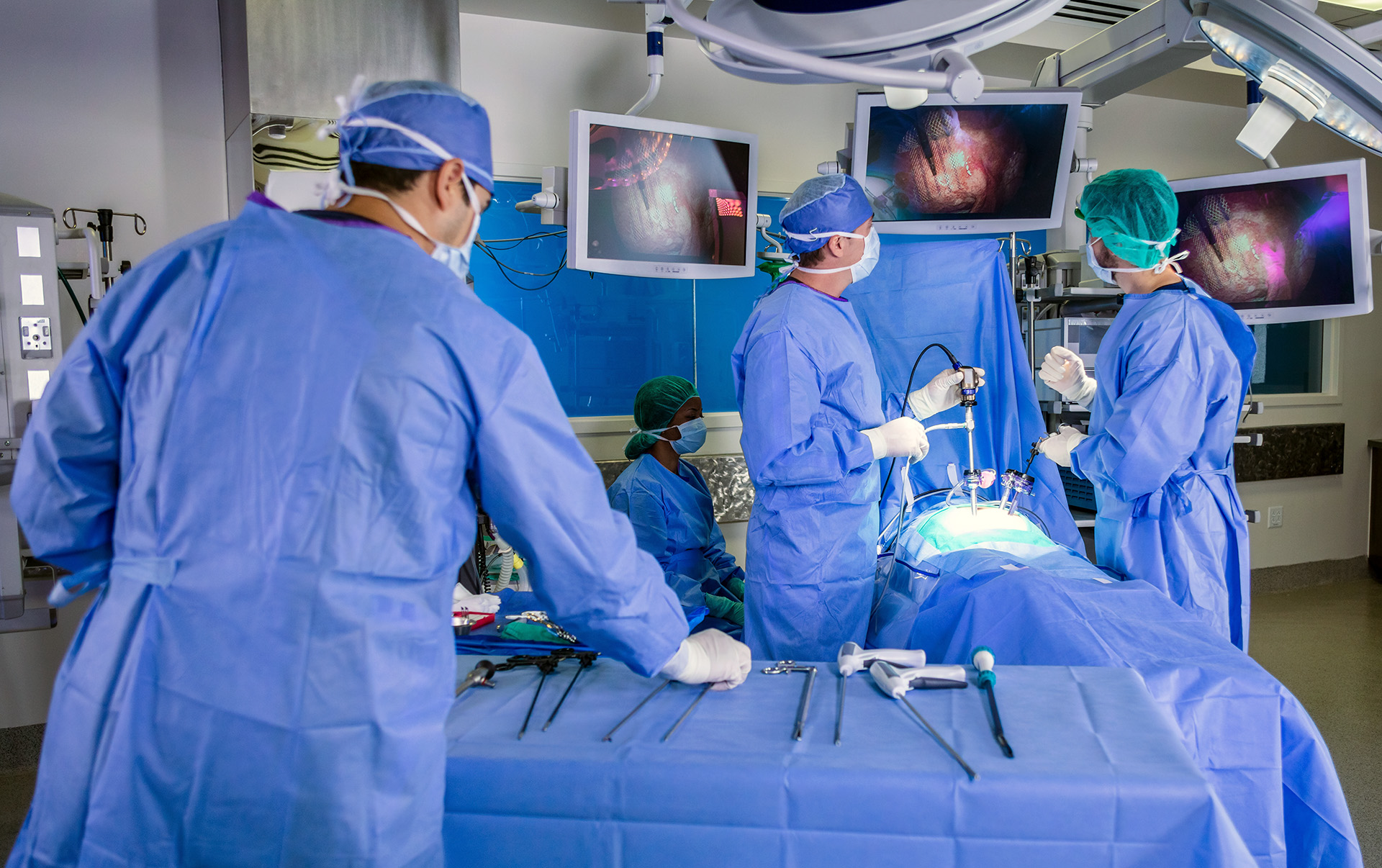
Video-Assisted Thoracoscopic Surgery (VATS), also known as ‘keyhole surgery’, is a surgical procedure for the chest and lungs that uses a tiny video camera and surgical instruments inserted through small incisions. Compared to traditional open surgery and open-chest surgery, VATS tends to result in less postoperative pain, a shorter hospital stay, and a faster recovery. Still, the right approach for each patient will depend on a host of factors, including diagnosis, lung function, and the surgeon’s goals.

At Neumark Lung & Chest Surgery Centre in Singapore, decisions to opt for Video Assisted Thoracoscopic Surgery are made after careful assessment by specialists and multidisciplinary teams, led by senior consultant thoracic surgeon Dr Harish Mithiran at Gleneagles and Mount Alvernia hospitals.

video-assisted thoracoscopic surgery

How Does VATS Work?

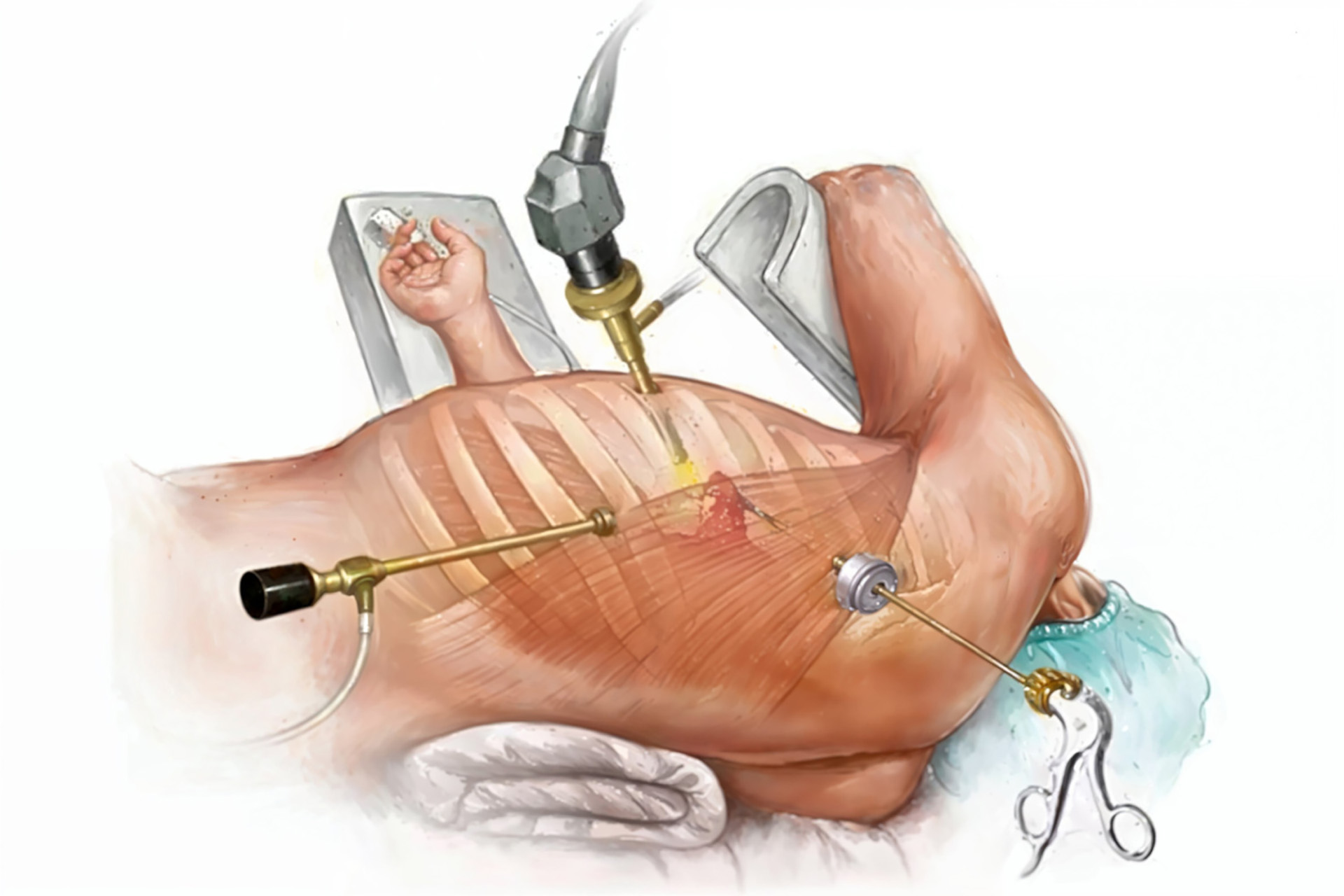
VATS involves making a couple of small incisions between the ribs to insert a tiny camera called a thoracoscope (a tiny video camera) that lets the surgeon see what’s going on inside the chest cavity on a video monitor. The surgeon then uses special surgical instruments to perform actions like removing lung nodules, taking biopsies, treating lung cancer, treating problems like collapsed lung or performing cancer surgery, all through small incisions.

Video-assisted thoracic procedures are not just an easy alternative to the open chest approach of surgery. Despite reducing chest wall damage, Video-Assisted Thoracoscopic Surgery is complex, requiring expertise to perform delicate internal operations, such as cancer removal, safely.
 

video-assisted thoracoscopic surgery Singapore


What Sorts of Conditions Can Be Treated with VATS?

Some of the common conditions treated with VATS procedures include:

  • Lung cancer and lung nodules: removing small sections of lung tissue through a VATS lobectomy or wedge resection, straightening out bent tubes in the chest, or taking out lymph nodes to check for cancer.
  • Pleural disease: taking a biopsy of the lining around the lungs (pleural cavity), draining excess fluid or pleural effusion that’s built up, sticking the two layers of the pleura together to stop fluid from building up again, or putting in a long-term thin tube drain to drain air or fluid.
  • Mediastinal tumours: taking a biopsy or removing a tumour that’s found in the middle of the chest area using minimally invasive procedures.
  • Pneumothorax and air leaks: performing procedures to prevent the collapsed lung from re-collapsing, or removing the bit of lung that’s causing the leak via VATS.
  • Excessive sweating (hyperhidrosis): VATS can also treat this condition through sympathectomy.
  • Oesophageal and Stomach Conditions: Surgeries such as esophagectomy (removal of part, or all, of the oesophagus) and repair of hiatal hernias.
  • Thymectomy: Removal of the thymus gland, often performed for myasthenia gravis or other conditions.
  • Heart, Rib and Diaphragm Procedures: Certain minimally invasive heart surgeries and surgeries involving the spine or diaphragm.
  • Diagnostic procedures: taking a biopsy when less invasive tests haven’t provided an answer.

Your surgeon should be able to explain whether VATS is recommended for diagnosis, treatment, or both.
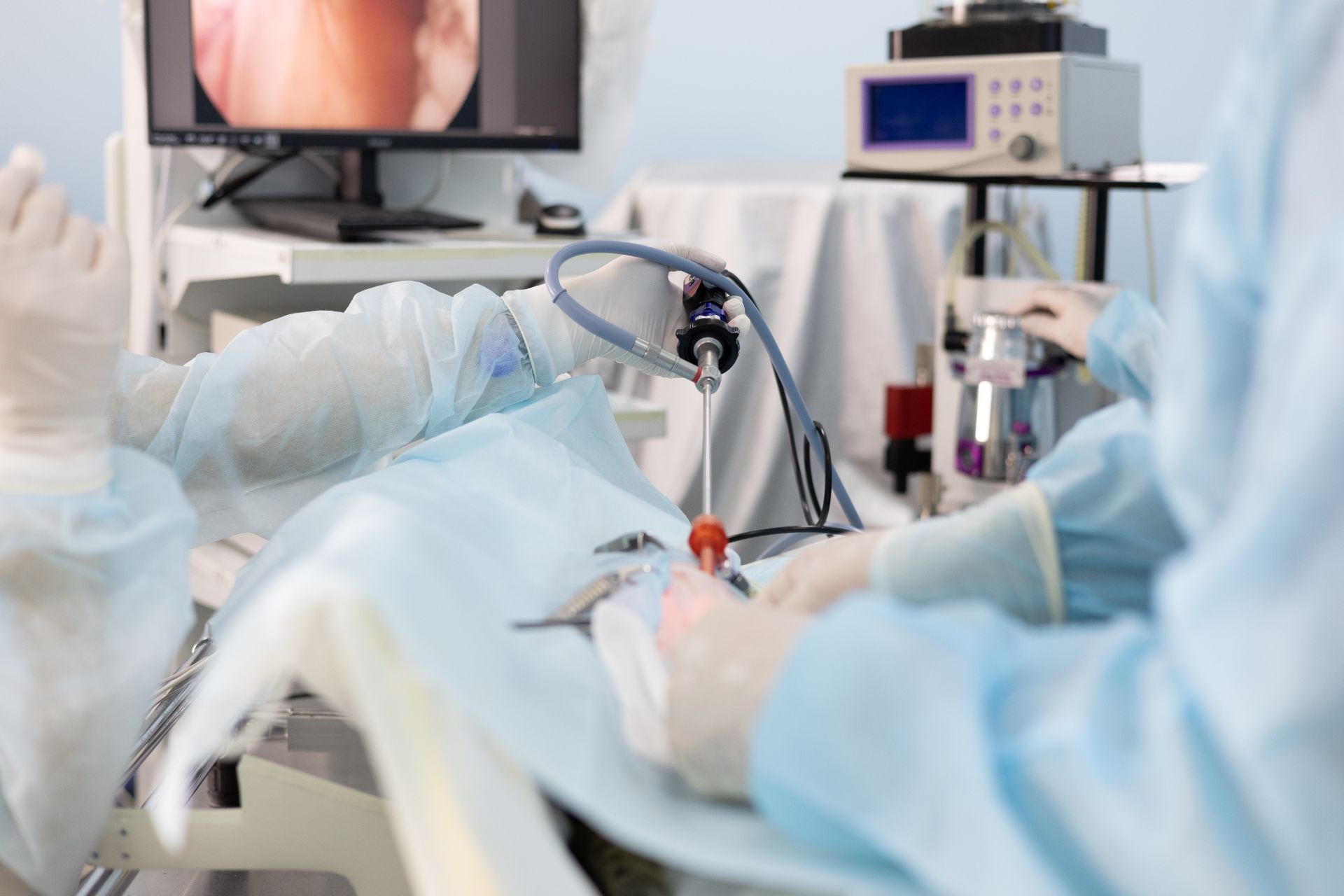
video-assisted thoracoscopic surgery VATS

VATS vs Traditional Open Surgery

Thoracic surgeons carefully consider the trade-offs of Video-Assisted Thoracoscopic Surgery versus open approaches. They must balance the advantage of a smaller incision against the need for clear visualisation and a safe procedure. Key considerations include:

  • Tumour size, location and stage: if the tumour is deep within the chest cavity or in a tricky location, VATS might not be the best option.
  • Lung function and fitness: surgeons will perform lung function tests to assess how well the lungs will function after thoracic surgery and to assess overall health.
  • Prior procedures or scarring: if there are adhesions from previous surgical procedures affecting surrounding tissues, VATS may be more difficult.
  • Oncological safety and margins: surgeons must be confident they can remove all the cancer and achieve a clean margin via VATS.
  • Conversion to an open approach: Sometimes VATS must be converted to a traditional open approach in an emergency; this is not a failure but is done for additional safety.

Types of VATS Techniques, and Where Robotic Surgery Comes In

Video-assisted thoracic care and assisted thoracoscopic procedures aren’t one-size-fits-all. There are several techniques thoracic surgeons use, and the choice depends on the individual patient and the operation. For example:

  • Multiport VATS uses multiple small incisions to gain access with a tiny camera and surgical instruments. This is helpful for getting a clear view and performing complex operations in the chest area.

  • Uniportal VATS uses a single incision, which reduces trauma and can make it easier to get around inside the chest cavity. Recovery time may be shortened with this approach.

  • Robotic-Assisted Thoracic Surgery (RATS) approach is a separate minimally invasive technique that uses robot-controlled surgical instruments and 3D vision to help the surgeon. This surgical technique might be better for some operations where fine detail is essential.

While the technique used is necessary, the surgeon’s experience and judgment are key. The aim is to achieve the safest possible and optimal outcome, with a tailored recovery plan for each patient.

Benefits of VATS Procedures

VATS can offer a range of benefits, including reduced postoperative pain, faster mobilisation, a shorter hospital stay, a quicker recovery time, and an earlier return to normal activities. For some patients with early-stage lung cancer, the outcomes are comparable to traditional open surgery, but only if they get the proper care and follow-up.

Patients also benefit from reduced infection risk, as the technique minimises tissue trauma and exposure during surgery. Aesthetically, VATS leaves minimal scarring compared to traditional open surgery, as it requires only small incisions, which can have a serious psychological benefit for many patients.

VATS is an equally effective alternative to conventional surgery for patients who qualify, with the added advantage of enabling a quicker return to daily activities. However, it’s worth keeping your expectations in check. Recovery time will vary. Your baseline overall health will also play a significant role in your post-surgery recovery. Healthcare providers will guide your healthy recovery.
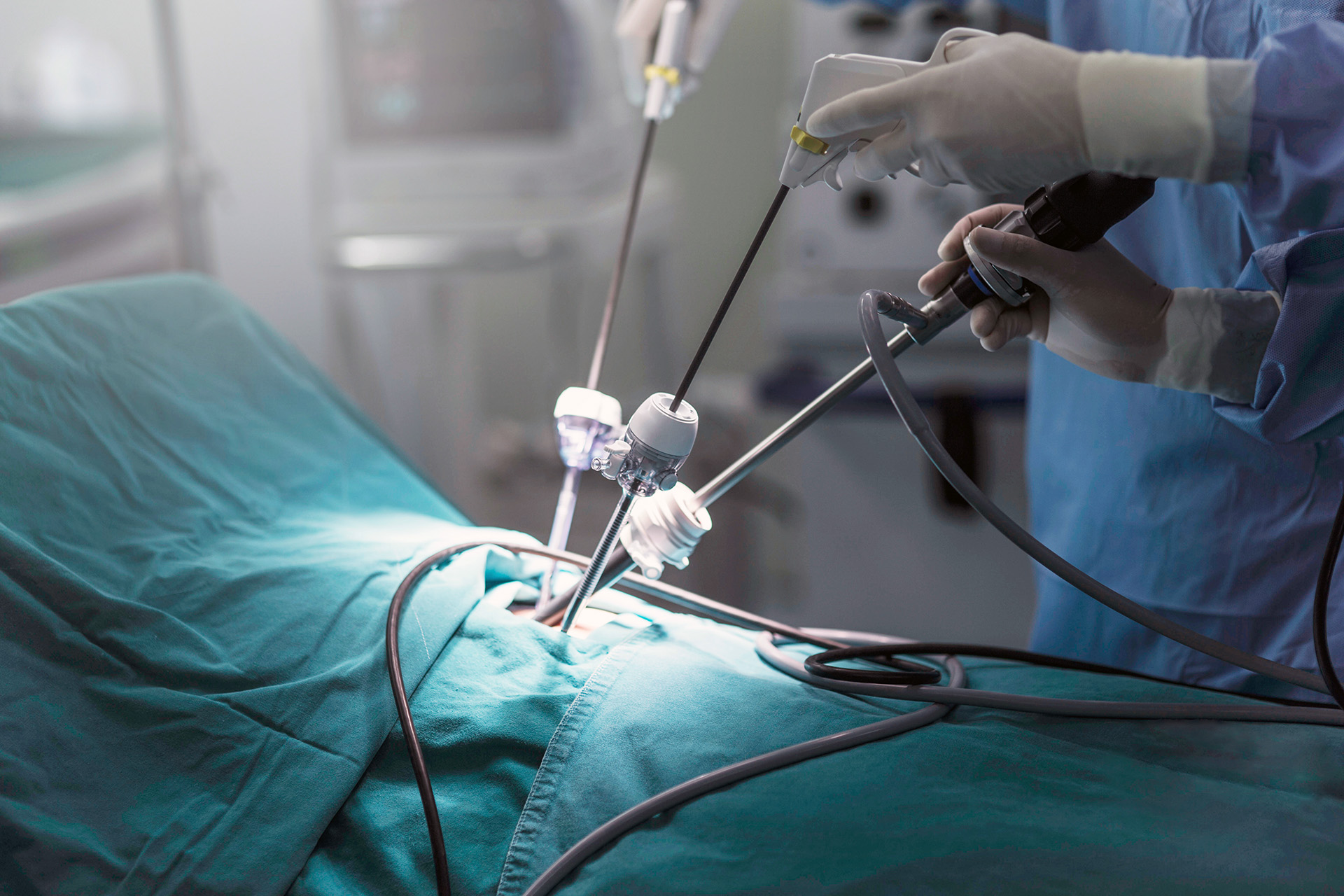
 

VATS in Singapore


Who Is Eligible for VATS?

Determining whether a patient qualifies for Video-Assisted Thoracic Surgery (VATS) involves carefully evaluating multiple factors, including their specific condition, overall health status, and surgical history. Many patients with early-stage lung cancer, pleural effusion, or other localised thoracic conditions make excellent candidates for this minimally invasive approach.

However, VATS may only be suitable for some. Patients with extensive previous chest surgeries or significant scarring might require traditional surgical methods instead, as scar tissue can affect the feasibility. Given these considerations, a thorough consultation with an experienced thoracic surgeon becomes crucial in determining the most appropriate surgical approach for each case.


Risks and Limitations of VATS

Like any surgical procedure, VATS carries risks and possible complications. It involves operating on delicate thoracic structures and surrounding tissues, which increases the risk of bleeding, infection, pneumonia, prolonged air leaks, or wound complications. Wound care is essential to prevent infection. Some patients may have altered sensations around the small incisions, and in rare cases, there may be a risk of more serious complications. Blood clots are also a possible complication, so measures to prevent them are taken.


What Happens Before VATS?

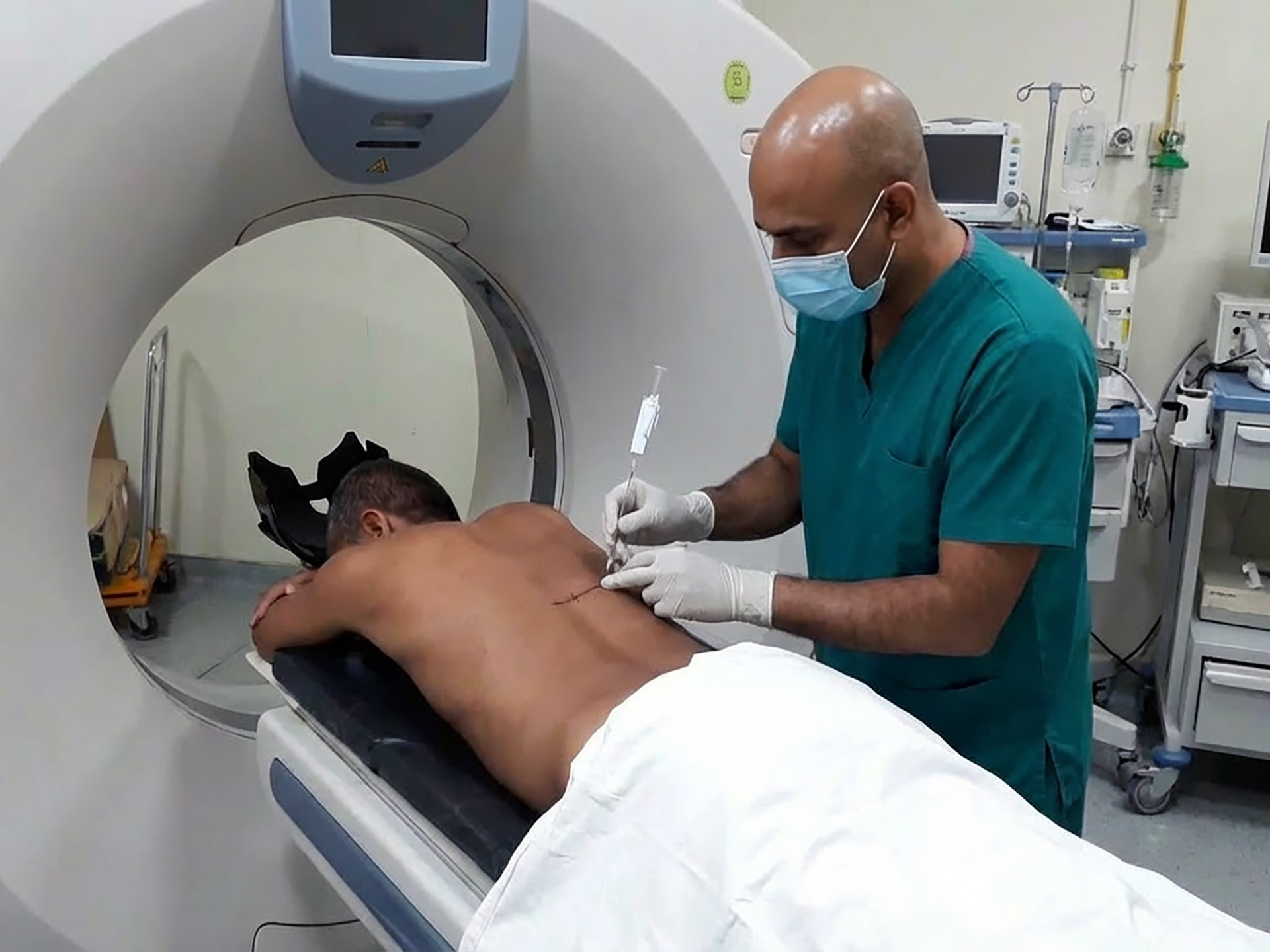
The pre-operative process confirms the diagnosis, aligns the surgical plan, and ensures the safety and competence to proceed with the operation, likely involving:

  • Imaging tests like CT scans, chest X-rays, and, for cancer cases, PET-CTs and sometimes brain imaging to get a clearer picture.
  • Lung function tests to assess respiratory function for handling thoracic surgery.
  • Cardiac assessments to determine if there are any red flags for heart problems or chest pain.
  • Blood tests and a thorough review of any medications, including blood thinners.
  • A multidisciplinary team discussion for cancer cases to make sure your team is working together to get the best possible outcome.
  • Informed consent that gives you a clear explanation of the benefits, the risks, and what to expect from the video-assisted thoracoscopic procedure and recovery.

Here in Singapore, thoracic surgeons often refer GPs for polyclinic workups, screening, or specialist referrals after a CT scan. That way, people can get the care they need quickly and smoothly, without undergoing unnecessary tests.
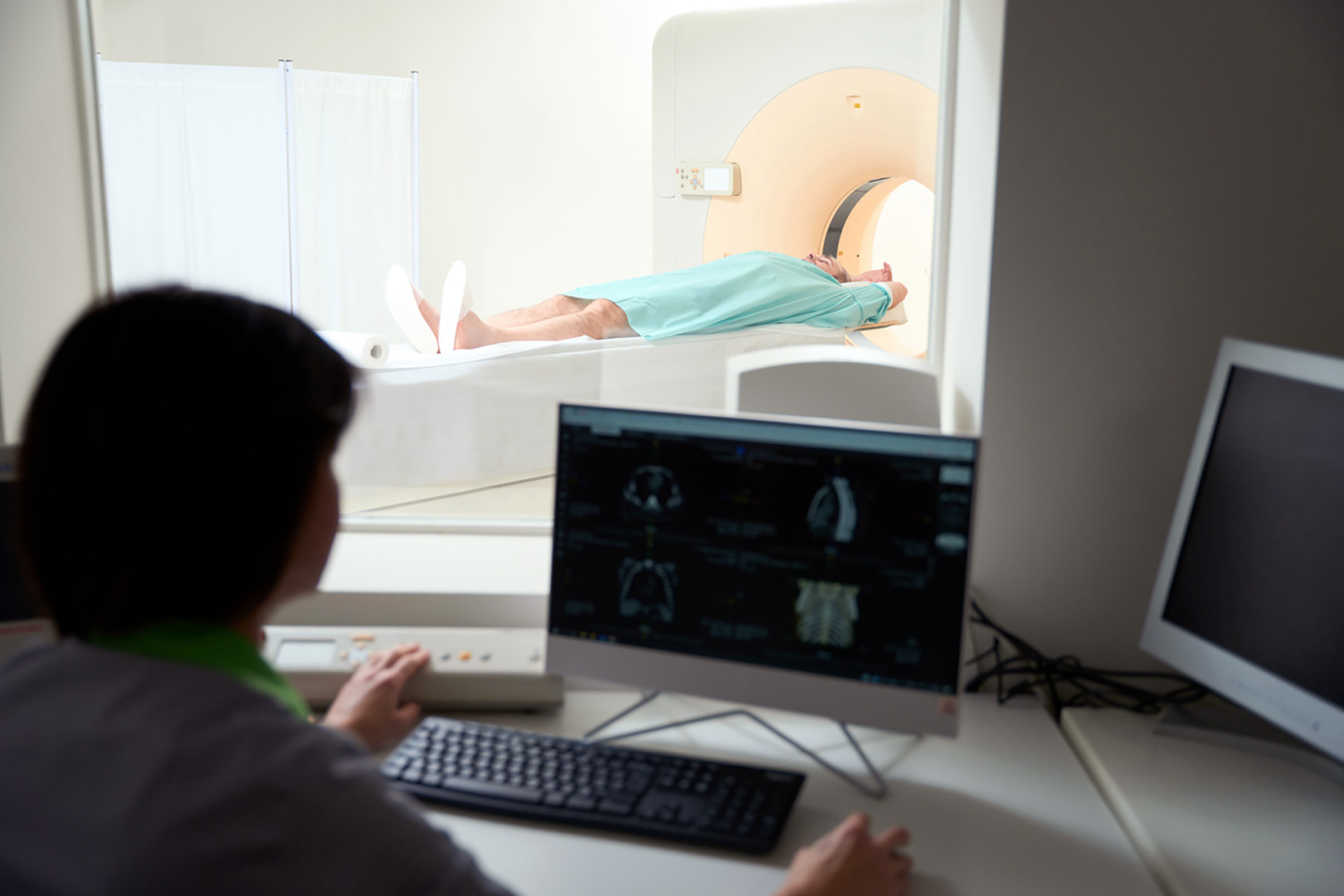
 

video-assisted thoracoscopic surgery pre-operation


What to Expect After VATS

Recovery from VATS can be challenging, but with a medical team’s support, you should be fine. The first 24-48 hours will focus on pain control, deep breathing, and movement. You can think of recovery as split into three parts: hospital, home and follow-ups.

In Hospital
Chest tubes may be needed temporarily. The staff will monitor lung expansion, oxygen saturation, and pain, and encourage exercises to minimise any complications.

At Home
Most patients are discharged within days, depending on the procedure complexity, chest tube duration, and recovery speed. Fatigue is common during recovery. Minor procedures allow a return to normal in 1-2 weeks. Major operations may take a few weeks. Work clearance depends on pain, job type, and the surgeon’s advice.

Follow-Up and Results
The pathology reports will dictate what happens next. For cancer surgical procedures, the lymph node status and the type of tumour will help determine the staging and whether you need any further treatment.


Video-Assisted Thoracoscopic Surgery (VATS) for Lung Cancer

Video-Assisted Thoracoscopic Surgery works well for selected early-stage lung cancer, with techniques such as VATS lobectomy and lymph node removal for staging. When used correctly, video-assisted thoracoscopic surgery can produce results that are comparable to open chest surgery.

VATS isn’t suitable for all cases. Traditional open surgery or alternatives are better for very central/locally advanced tumours or significant chest wall scarring. Other treatments, such as conventional open procedures, stereotactic radiotherapy for small cancers, or targeted procedures, might be a better fit if the disease is extensive, there are dense adhesions, or complex tumours that require major reconstruction.

Effective lung cancer treatment requires the right team working together. That means having a thorough consultation to figure out the best approach for your specific situation.
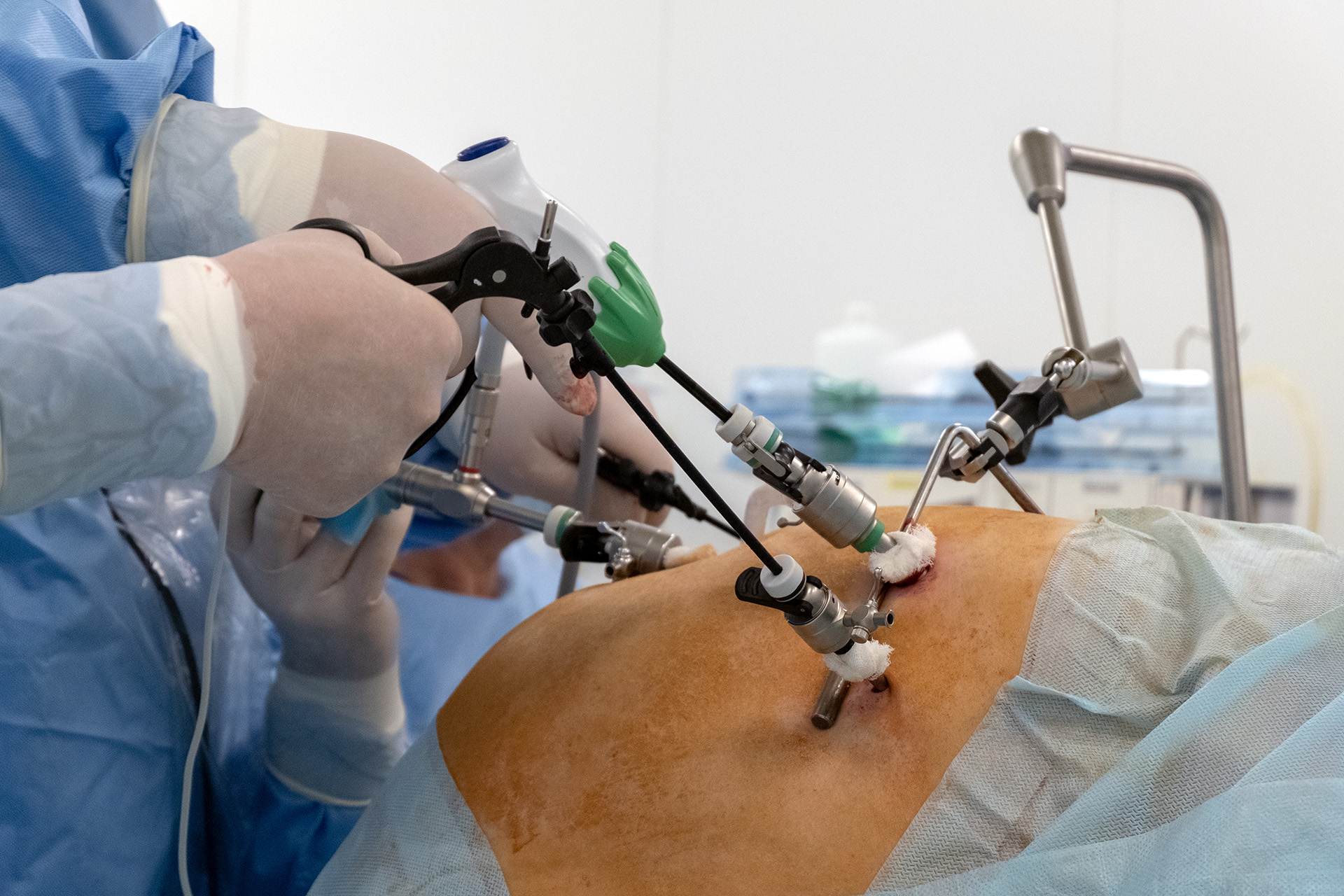
 

video-assisted thoracoscopic surgery in Singapore


Choosing the Right Surgeon and Centre

Select a thoracic care team with experience, strong communication, and comprehensive support from diagnosis to recovery. Effective care requires a centre that coordinates all aspects, including imaging, biopsies, oncology, and follow-ups, going beyond just the surgery, VATS or otherwise.

Ask about decision-making, complication handling, expected follow-ups and pain relief. While technology is crucial, surgical judgment and experience are paramount.


VATS at Neumark Lung and Chest Surgery Centre

Neumark Lung & Chest Surgery Centre, run by Dr Harish Mithiran, is focused on minimally invasive thoracic procedures (VATS, U-VATS, robotic approaches). We offer multidisciplinary care for complex thoracic conditions, including lung cancer, pleural disease, and mediastinal tumours, at both Gleneagles and Mount Alvernia hospitals in Singapore. We focus on making your journey as smooth as possible and achieving optimal outcomes with fewer complications. Make an appointment today to learn more about VATS and how Neumark can support you.


FAQs about Video-Assisted Thoracoscopic Surgery

Not always. VATS can reduce chest wall trauma, but open surgery may be safer or more effective in complex cases. The best approach is the one that achieves the surgical goal safely.

Many patients report less pain than with open surgery, but pain varies by procedure and individual factors. Modern pain control and early mobilisation make a meaningful difference for both short-term and long-term recovery.

This depends. Many minor diagnostic procedures may allow a return within one to two weeks, while larger resections may take several weeks. Your surgeon will advise based on your job demands and recovery process.

Sometimes, but it depends on the purpose. VATS may be used for diagnosis, staging, symptom relief, or selected treatment steps, but advanced cancer often requires systemic therapy and multidisciplinary planning.

DISCLAIMER: The information provided on this website is for general informational purposes only and is not intended as a substitute for professional medical advice, diagnosis, or treatment. The use of this website does not create a doctor-patient relationship and no medical advice should be inferred or assumed. It is the user’s sole responsibility to seek the advice of their healthcare professionals for any medical concerns they may have and the user should not disregard, or delay, prompt medical advice for any such condition.

latest insights

Read our latest insights on lung diseases and chest conditions, including prevention tactics, treatments, and more.