
Lung Specialist in Singapore
Dr Harish received advanced medical training in Canada and at the National University of Singapore and stays up to date on the latest in lung care. His commitment to his patients and meticulous approach to diagnosis and treatment make him one of Singapore’s best lung specialists and thoracic surgeons.
He brings decades of clinical experience in pulmonary care, the latest treatment approaches, and, more importantly, empathy for his patients to his private practice at Neumark Lung & Chest Surgery Centre.
Patients typically arrive through GP referrals or direct consultation. Whether you’re seeing a lung specialist for the first time or seeking a second opinion, at Neumark, the process begins with a thorough assessment with Dr Harish, either at the Gleneagles Hospital on Napier Road or at Mount Alvernia Hospital on Thomson Road.
Schedule a Consultation
Posted onTrustindex verifies that the original source of the review is Google. I highly recommend Dr. Harish. Since the surgery, I've seen a significant improvement in my sweaty palms and feet, and the procedure was performed with such precision that there's barely any visible scarring. The clinic manager was also friendly and responsive, answering all my questions promptly. Overall, the entire experience was excellent, with each step clearly communicated from beginning to end.👍great workPosted onTrustindex verifies that the original source of the review is Google. Dr Harish is a professional skilful doctor whom lends a great listening ear to patients. He also gives encouragements to his patients. In addition, I know that I am in good hands with him. Besides, he also provides prompt update to my family member immediately after the surgery. The surgery was a success where I was discharged on 3rd day. Fast recovery too. Grateful for his help and good advices. A great gem to the medical industry. Rina whom is his nurse provided great care n guidance in my case. Her patience in handling patients enquiries is commendable.Posted onTrustindex verifies that the original source of the review is Google. I’m delighted to share my exceptional experience with Dr. Harish Mithiran at Neumark Lung & Chest Surgery Centre. From the moment I met him, his patient-centric approach stood out—taking the time to listen to my concerns and tailor a treatment plan that felt uniquely mine. His caring nature and boundless patience made every visit comforting, especially during my medical procedure journey, where he explained every step with clarity and empathy. With over multiple successful thoracic procedures and expertise in cutting-edge techniques like Uniportal Video-Assisted Thoracic Surgery (U-VATS) and Robotic-Assisted Thoracic Surgery (RATS), Dr. Harish’s experience is unparalleled, giving me complete confidence in his care. I highly recommend him to anyone seeking world-class, innovative thoracic treatment with a personal touch!Posted onTrustindex verifies that the original source of the review is Google. dr harish is compassionate and extremely meticulous on his expertise. thank you for your care!Posted onTrustindex verifies that the original source of the review is Google. I had an excellent experience with Dr Harish from start to finish, from the consultation, to surgery and follow-up appointments. He is extremely experienced & knowledgeable, and gave me a very thorough overview of the procedure beforehand which put me at ease. My surgery also went very smoothly and I had an easy recovery thanks to the care from him and his team. Would highly recommend him for anyone with lung or chest surgery needsPosted onTrustindex verifies that the original source of the review is Google. Dr Harish and his staff are incredibly compassionate and understanding of their patients concerns and needs. Dr Harish is very transparent on the risk and explanation of the medical procedures recommend before the surgery and is caring and attentive to the post surgery recovery as well.Posted onTrustindex verifies that the original source of the review is Google. i had a really positive experience with dr. harish and the wonderful team at the clinic. from the very beginning of my check-ups all the way through surgery and post-op reviews, dr. harish was incredibly caring and attentive. he made sure i was well looked after at every stage, and that really gave me peace of mind. i always felt like i was in good hands and didn’t have to worry about anything. his attention to detail and dedication were truly reassuring. joyce and rina at the clinic were equally amazing — warm, helpful, and very professional. they were always ready to assist and made sure everything went smoothly during my visits. their care and efficiency made a big difference and helped make my whole experience smooth and pleasant. im really grateful to the entire team! <3Posted onTrustindex verifies that the original source of the review is Google. I had a wonderful experience at Neumark, thanks to Dr. Harish and the staff, Rina. Dr. Harish is an exceptionally kind and understanding doctor who took the time to listen to all my concerns and patiently answered every question I had. His clear and thorough explanations of the procedure helped me feel completely at ease and confident that I was in good hands. Rina is also always warm, compassionate, and attentive. She made sure I felt heard and supported throughout the process, and her efficiency made everything run smoothly. Thanks to their professionalism and genuine care, my surgery was a great success. I’m truly grateful to both Dr. Harish and Rina for making my experience at Neumark such a positive and reassuring one.Posted onTrustindex verifies that the original source of the review is Google. sincerely thank you for the outstanding care and support provided during my recent consultation. Your expertise, patience, and genuine empathy made a significant difference in my experience. . Thank youPosted onTrustindex verifies that the original source of the review is Google. I had sweaty palms and feet, after the surgery it is all gone and I get to live a normal life thanks to Dr Harish and team. Great doctor
What Is Respiratory Medicine?
Respiratory medicine encompasses a wide range of conditions that affect the airways and lungs, from common conditions such as asthma and chronic obstructive pulmonary disease (COPD) to more complex conditions such as interstitial lung disease, pulmonary fibrosis, and lung cancer. Singapore’s environmental factors, including haze and high urban density, create unique challenges for respiratory health.
As a lung specialist doctor and thoracic surgeon, Dr Harish is also a highly trained respiratory physician. He knows that no two respiratory conditions are the same. Good pulmonary care requires attention to each patient’s circumstances, and the key to successful treatment is a comprehensive assessment and individualised care strategies. His team of respiratory specialists collaborates to deliver the highest standard of care for complex lung diseases.
Respiratory Conditions
Asthma
Bronchiectasis
Chronic Obstructive Pulmonary Disease (COPD)
Lung Cancer
Pneumonia
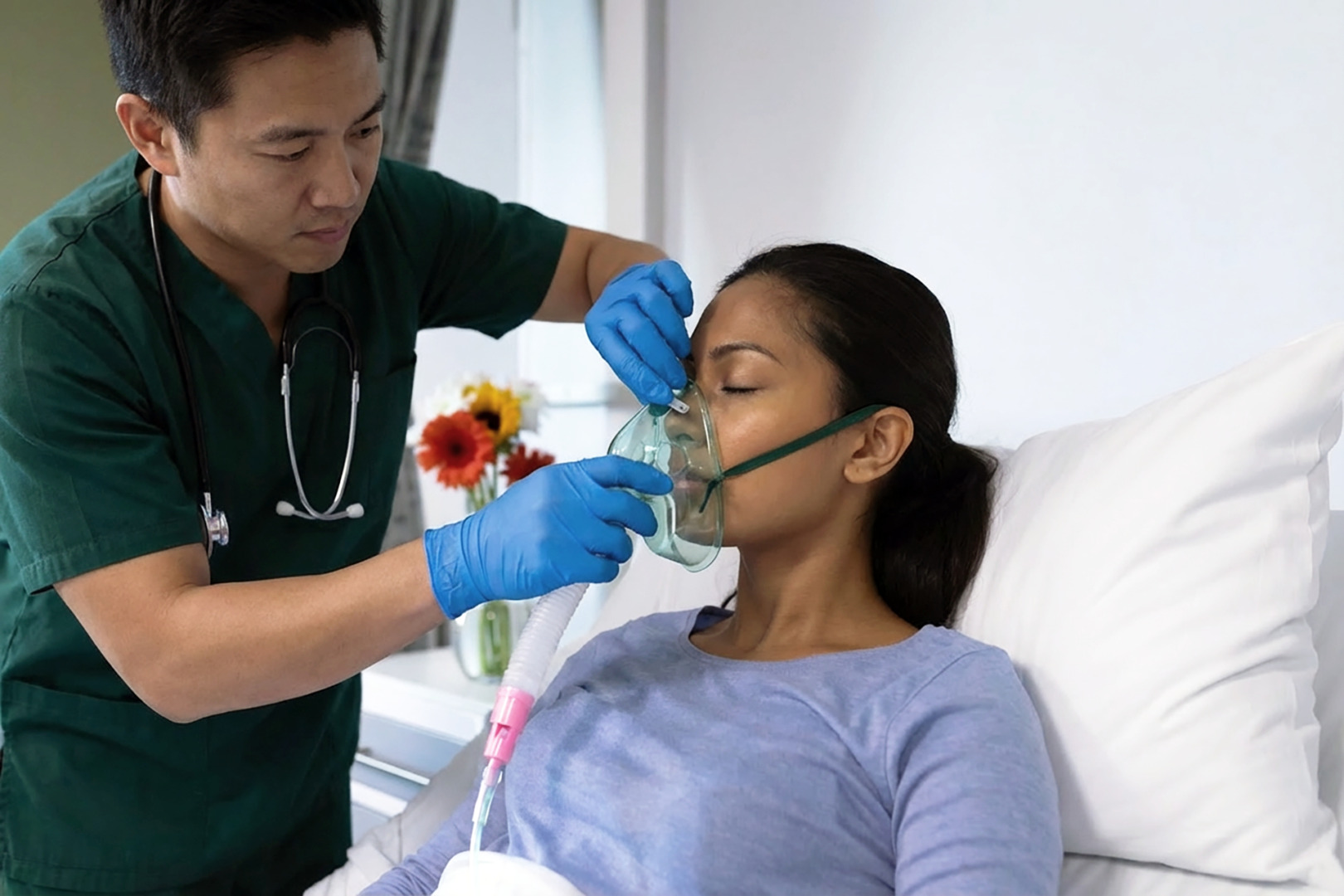
Pneumonia is an infection that settles deep in the lungs, usually caused by bacteria, sometimes by a virus, and occasionally by fungi. The tiny air sacs where oxygen enters the blood fill with pus and fluid, preventing the lungs from functioning correctly. You will become unwell quite quickly, with symptoms such as a high fever, shivering, a cough that brings up yellow or green phlegm, sharp chest pains when you breathe or cough, and struggling to catch your breath. Most patients get better with a course of antibiotics (if it’s bacterial) and plenty of rest and fluids at home. In more serious cases, especially in older adults or those with other health problems, the oxygen level drops, and hospital treatment with more potent antibiotics via a drip and oxygen becomes necessary.
Pulmonary Tuberculosis (TB)
Pleural Conditions
Mesothelioma is a rare but serious cancer of the lining around the lung, almost always linked to asbestos exposure from decades earlier, making it common in older patients who worked in shipyards, construction or factories. It grows slowly at first, then causes persistent chest-wall pain, ongoing breathlessness, cough, and weight loss. Treatment can involve major surgery to remove the affected lining and lung (if caught early enough), chemotherapy, and sometimes radiotherapy. Sadly, the disease is complex to cure, and the focus is often on quality of life and symptom control. Early specialist review gives the best chance of accessing newer clinical trials and supportive care.
Parapneumonic Effusion
When pneumonia spreads slightly beyond the lung tissue, fluid often collects in the space around the lung. Most of the time, this is sterile and settles with antibiotics alone. If bacteria get into the fluid, it thickens into pus or an empyema, and the lung becomes trapped, leading to breathlessness and fevers. Acting quickly, usually within a day or two of noticing the problem, clears the infection properly and prevents the lung from becoming scarred or stuck. We place a small chest tube (sometimes guided by ultrasound) to drain the pus and give strong antibiotics through a drip.
This is when extra fluid builds up in the thin space between the lung and the chest wall, squashing the lung and making every breath feel heavy. Other conditions, such as pneumonia, heart failure, tuberculosis, or cancer, usually cause this. Patients notice worsening breathlessness (especially when lying flat) and a dull chest ache. We typically drain the fluid with a needle or small tube under local anaesthetic, often as a day procedure at Gleneagles or Mount Alvernia hospitals, and then send the fluid for tests to identify and treat the underlying cause.
Tuberculous Pleural Effusion
Interstitial and Fibrotic Lung Diseases

Autoimmune-Related Diffuse Parenchymal Lung Disease
Idiopathic Pulmonary Fibrosis
Interstitial Lung Disease
This is a group of disorders that cause inflammation and scarring of the lung tissue between the air sacs. Causes include autoimmune diseases, occupational exposures, certain meds, and sometimes the cause is unknown. Symptoms are progressive breathlessness and a dry cough. Diagnosis requires imaging, lung function tests and sometimes a lung biopsy. Treatment depends on the type and the underlying cause.
Occupational Lung Disease (Pneumoconiosis)
Vascular Lung Conditions

Pulmonary Embolism
Pulmonary Hypertension
Airway and Structural Disorders

Chest Wall Disorders
Chronic Cough
These are growths or tumours in the mediastinum, the central chest compartment that contains the heart, major blood vessels, oesophagus and lymph nodes. These can be benign (thymic cysts or enlarged lymph nodes) or malignant (lymphomas or germ cell tumours). Symptoms depend on size and location and can cause cough, chest pain or breathlessness. Diagnosis requires imaging and often biopsy; treatment ranges from observation to surgery or chemotherapy.
Critical Respiratory Conditions
Acute Respiratory Distress Syndrome (ARDS)
Severe Sepsis with Respiratory Failure
Sleep-Related Breathing Disorders
Obstructive Sleep Apnoea (OSA)
Diagnostic Facilities at Neumark Lung & Chest Surgery Centre
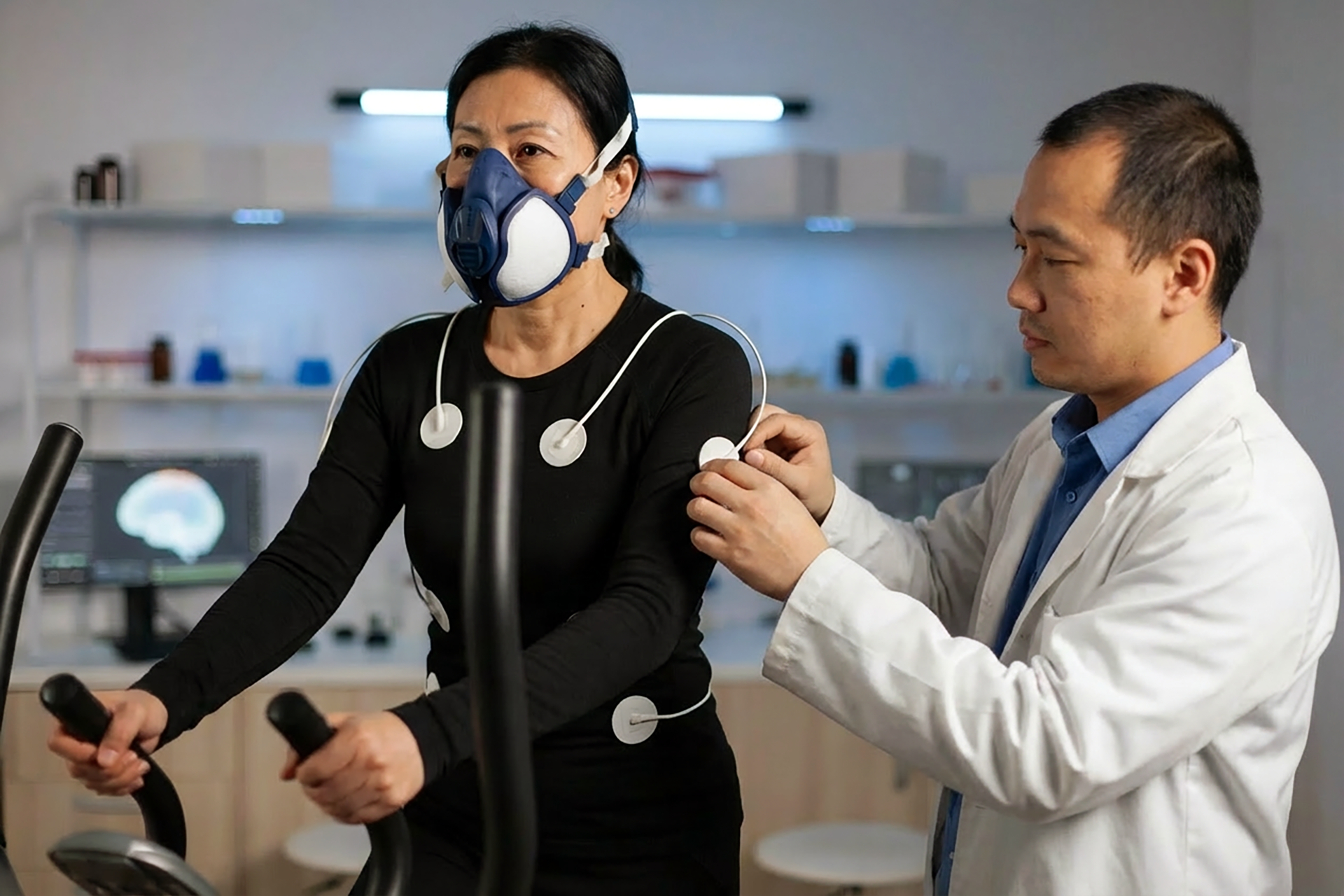
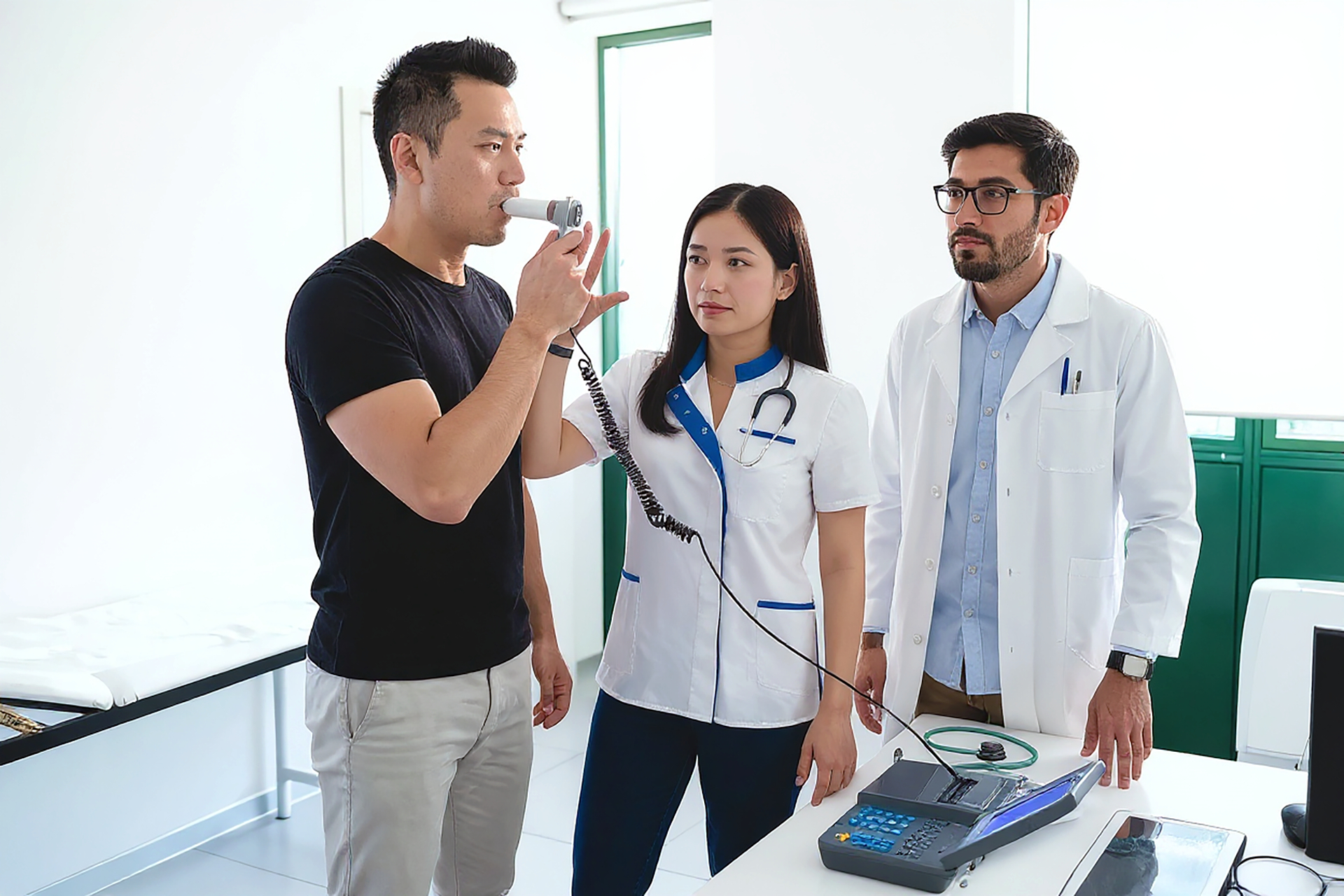
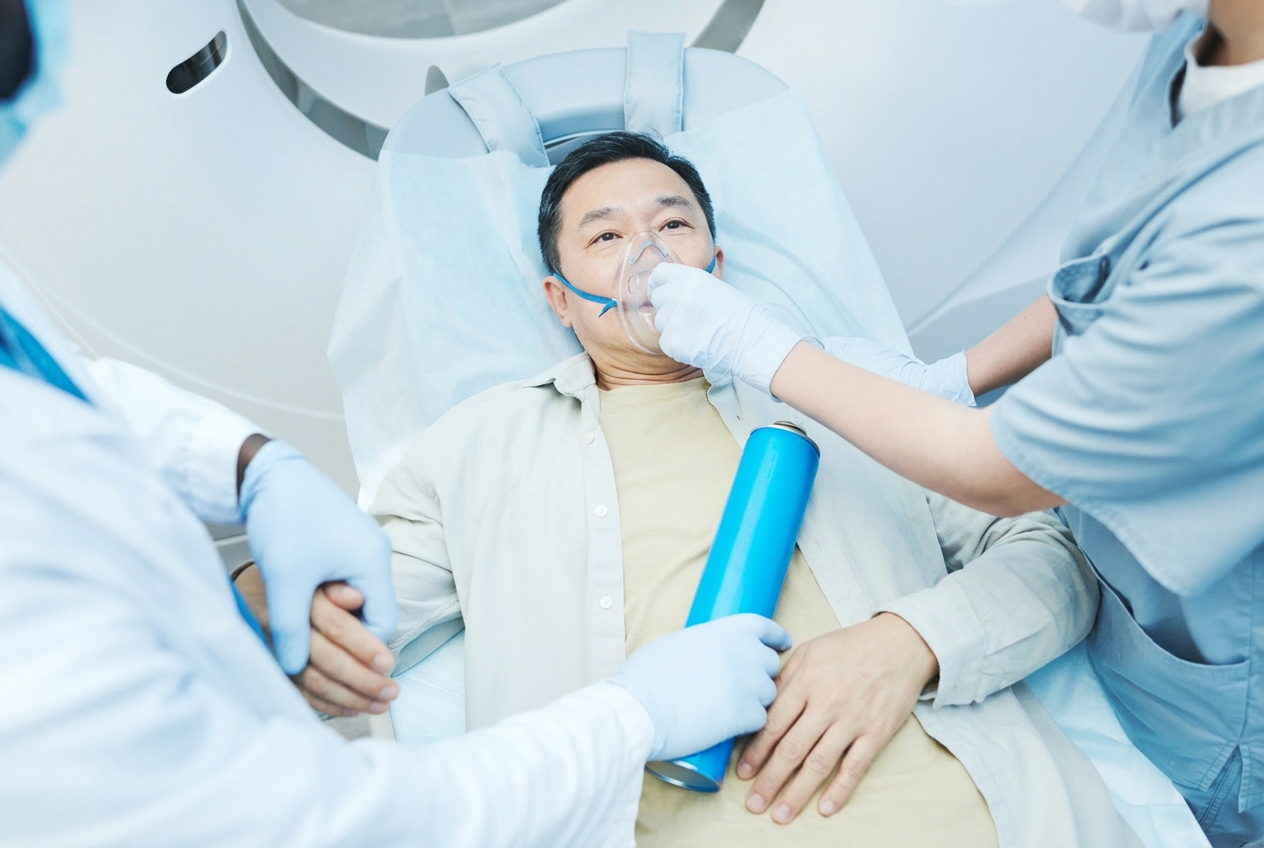
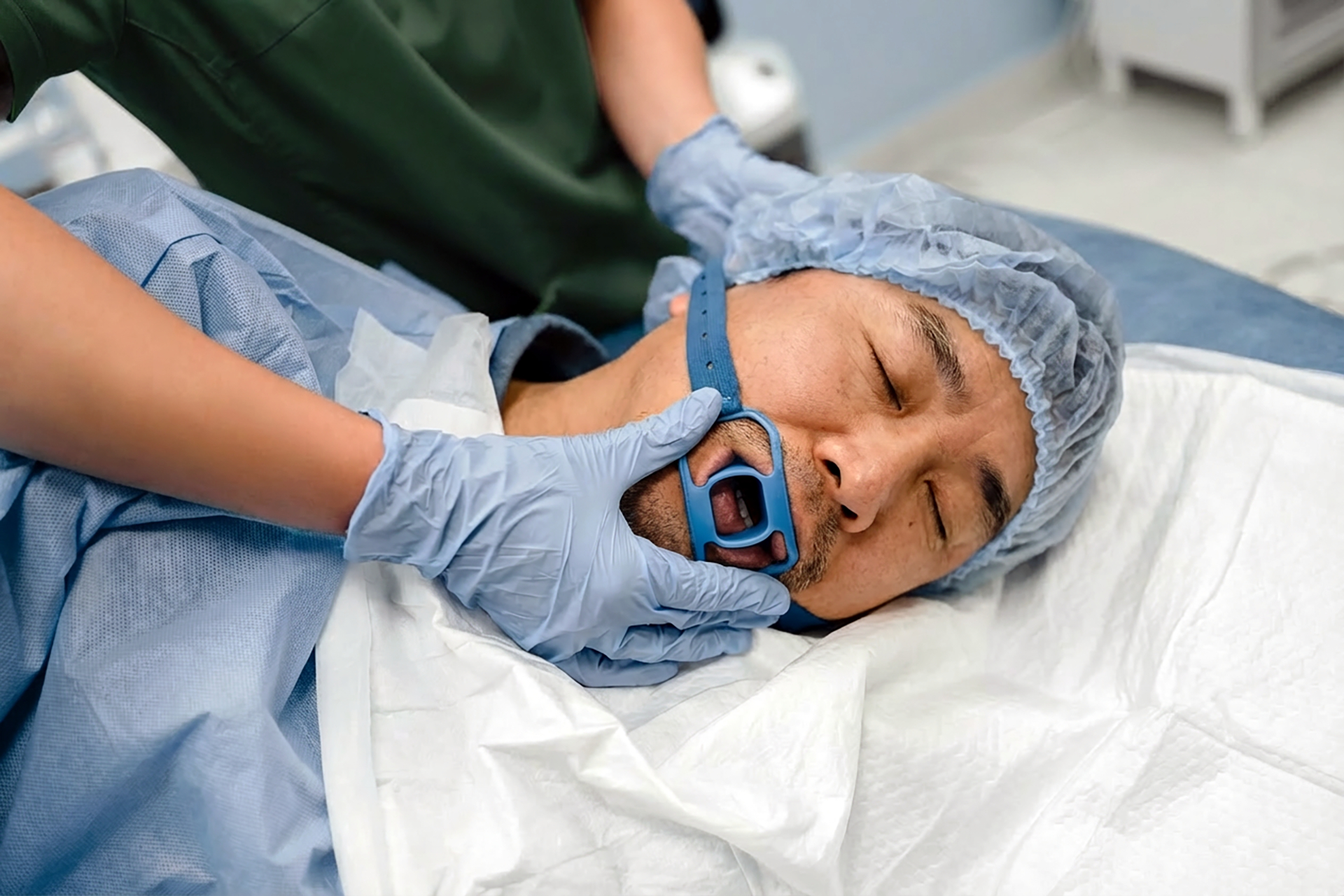
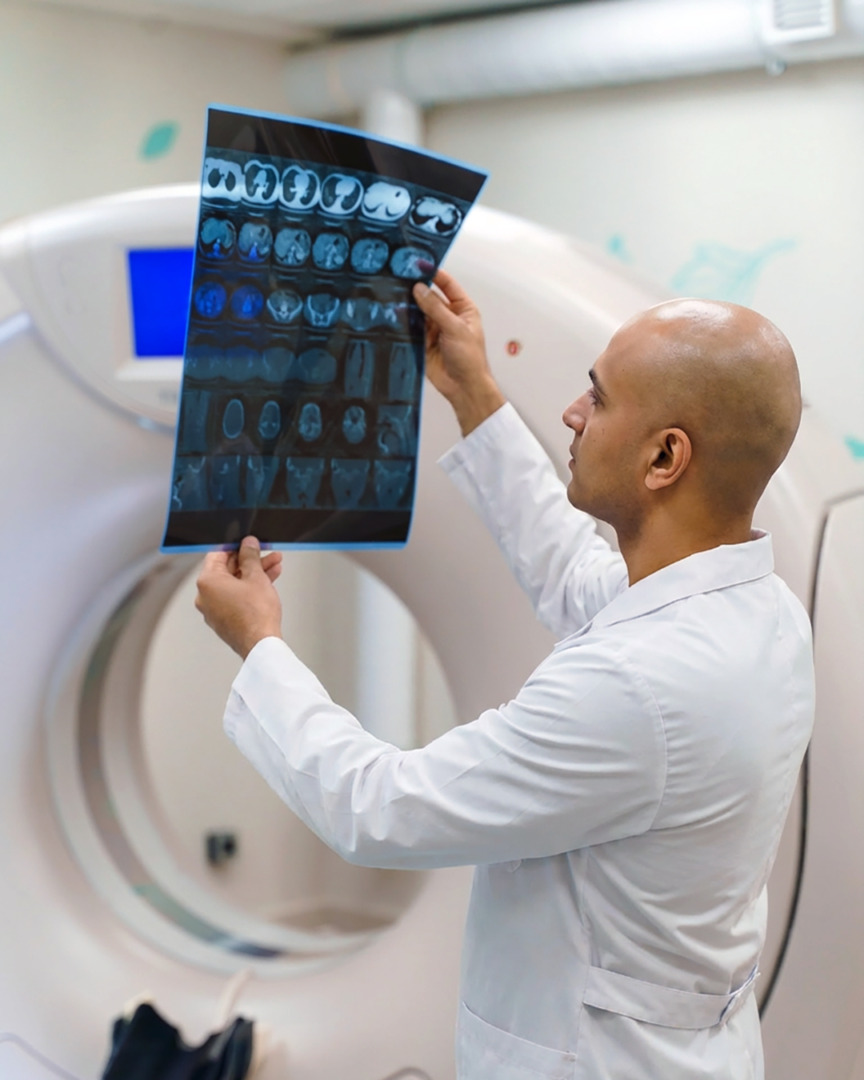
At Neumark, we use the latest tests to work out precisely what is going on with your lungs. You’ll usually have a full breathing test in the lung specialist clinic to see how strong your lungs are. We then arrange a high-resolution CT scan, which gives a much clearer picture than a normal chest X-ray. If we need to look inside the airways or take tiny samples, we do a bronchoscopy, which uses a flexible camera through the mouth while you’re comfortably sedated. For deeper evaluation, such as checking lymph nodes or suspicious spots, we use endobronchial ultrasound. It’s minimally invasive and a bit more precise.
Our multidisciplinary lung specialist team provides comprehensive diagnostic and therapeutic services for a range of pulmonary conditions. These diagnostic facilities enable Dr Harish to evaluate a range of respiratory issues from chronic coughs associated with lung cancer to suspicious nodules detected on routine imaging.
Thoracic Surgical Expertise
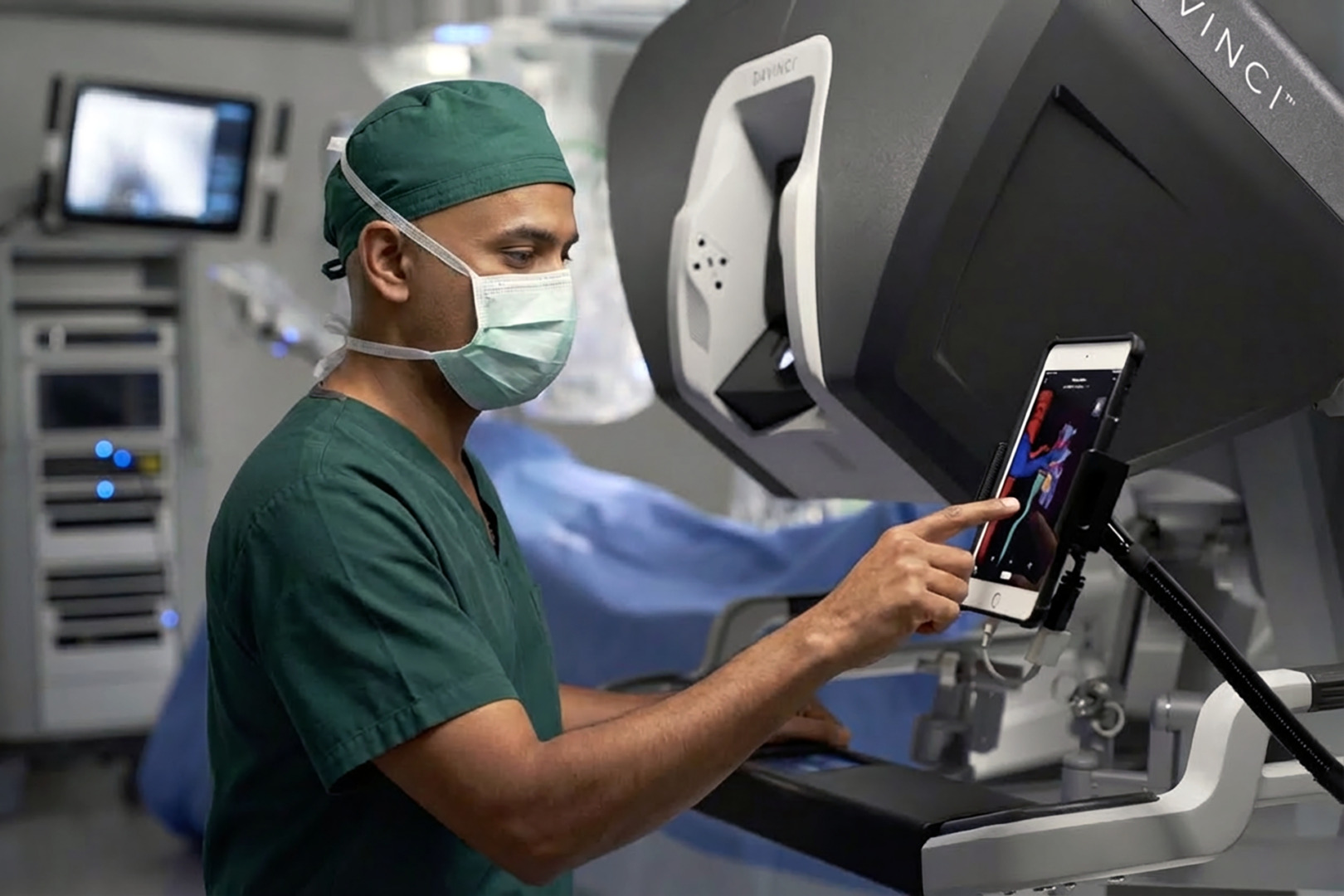
Dr Harish’s practice includes a wide range of advanced procedures, ranging from minimally invasive Robotic Assisted Thoracic Surgery (RATS) to Video-Assisted Thoracoscopic Surgery (VATS) to complex resections for lung cancer. These minimally invasive approaches offer patients less postoperative pain, shorter hospital stays, and faster recoveries compared to open surgery.
RATS provides more precision and dexterity through robotic arms controlled by the surgeon, particularly useful for complex anatomical cases.
VATS allows the surgeon to operate through small incisions using a camera and special instruments. This is suitable for lung biopsies, lobectomies and pleurectomy procedures.
Ultimately, the goal is to preserve lung function wherever possible. “It’s not just about fixing the immediate problem”, Dr Harish says, “but about maintaining optimal respiratory capacity for the patient’s long-term quality of life”. While minimally invasive techniques offer many benefits, not all patients are suitable. Tumour size, location and spread influence the surgical approach. Dr Harish will discuss all options, including potential risks such as bleeding, infection, or air leaks, during your consultation.
Schedule a Consultation
Respiratory Condition Management
Beyond surgery, Neumark helps to manage acute and chronic respiratory conditions. Patients with asthma, COPD, bronchiectasis and other ongoing pulmonary conditions benefit from his holistic approach to care, which combines medical therapy, pulmonary rehabilitation and lifestyle modifications.
For patients with complex conditions such as pulmonary hypertension or interstitial lung disease, Dr Harish coordinates the multidisciplinary care with other specialists, including cardiologists, rheumatologists, and other practitioners, to manage these conditions. This coordinated approach ensures patients receive comprehensive care rather than fragmented treatment from disconnected medical care providers.
Preventive Care in Respiratory Health
Neumark offers a range of preventive measures, including comprehensive lung function tests to detect respiratory conditions early. For individuals at higher risk due to smoking history or occupational exposures, screening programmes can identify problems before symptoms develop.
Neumark also provides guidance on healthy lifestyle choices, such as smoking cessation programmes and reducing exposure to environmental pollutants to lower the risk of lung disease. By being proactive, patients can reduce their chances of getting respiratory illnesses and keep their lungs healthy and functional. Preventive care today is a step towards long-term respiratory health for your future.
Neumark Lung & Chest Surgery Centre (Gleneagles Hospital)
6 Napier Road
#02-09 Gleneagles Medical Centre
Singapore 258499
Call: +65 6908 2145
WhatsApp: +65 9726 2485
Email: info@neumarksurgery.com
Clinic Hours
Monday – Friday: 9:00 am to 5:30 pm
Saturday: 9:00 am to 12:30 pm
Sunday: Closed
Neumark Lung & Chest Surgery Centre (Mount Alvernia Hospital)
820 Thomson Road
#06-07 Medical Centre A
Singapore 574623
Call: +65 6908 2145
WhatsApp: +65 9726 2485
Email: info@neumarksurgery.com
Clinic Hours
Monday – Friday: 9:00 am to 5:30 pm
Saturday: 9:00 am to 12:30 pm
Sunday: Closed
Singapore’s Lung Cancer Challenge
Lung cancer is one of Singapore’s most significant health risks, and Dr Harish has dedicated a lot of time to its prevention, early detection and treatment. Early intervention makes a big difference, so he stresses the importance of screening for high-risk individuals and checking for symptoms such as a persistent cough, haemoptysis (coughing blood), or unexplained weight loss.
For patients with lung cancer, Neumark offers the latest treatment options, including minimally invasive surgery, targeted therapies and integration with oncological care. “The landscape of lung cancer treatment has changed dramatically in the last few years, with more never-smoker diagnoses than ever before ”, he says. “But thankfully, patients today have more effective and less invasive options than ever”.

Patient-Centred Respiratory Care
When patients understand their condition and are involved in treatment decisions, they get better outcomes and more peace of mind. At Neumark, the team is trained to provide supportive, concerned care from the first appointment through every follow-up visit.
Referrals to lung specialist services at Neumark begin with a detailed consultation, where patients can discuss their concerns in a comfortable, relaxed setting. We understand that you may be worried when you come to us with respiratory symptoms. That’s why our clinicians take the time to explain conditions, treatment options, and expected outcomes, making them among the best lung specialists in Singapore for patient-centred care.
Research and Training
Beyond his clinical work, Dr Harish contributes to advancing respiratory medicine through participating in clinical trials and publishing in peer-reviewed medical journals, bringing new treatments to Singapore’s respiratory patients.
As an educator, he trains the next generation of cardiothoracic surgeons and lung specialists, sharing his knowledge and clinical experience with medical students and respiratory medicine trainees. This ensures that Singapore’s already high standards in pulmonary care will continue to improve.
See a Respiratory Specialist
Do you have respiratory symptoms or need a lung check-up? Talk to Dr Harish Mithiran, a lung specialist at Gleneagles or Mount Alvernia hospitals. Whether you’re looking for specialised care for a chronic cough, pneumothorax or lung cancer, Neumark is the benchmark for pulmonary care in Singapore, focusing on accurate diagnosis, effective treatment, and the preservation of lung function.
Book an appointment with Dr Harish today or find out more about the services. Your lungs deserve the best lung specialist in Singapore.