Lung nodules can be scary, especially since they are associated with lung cancer. The good news is that many of these little lung tissue growths are benign. Even so, lung nodules should be evaluated and, if necessary, removed. Thankfully, technological advances have changed how we diagnose and treat lung nodules with Robotic-Assisted Thoracic Surgery (RATS), leading the way. By combining precision with minimal invasiveness, RATS is transforming thoracic care, providing patients a safer, faster, and better way to manage lung nodules.
What are Lung Nodules?
Lung nodules are small, white, round lesions in the lungs, often detected incidentally on routine imaging such as chest X-rays or CT scans. They can be benign (non-cancerous) or malignant (cancerous). Causes of lung nodules are many, from infections and inflammation to tumours. Early detection is essential to enable timely intervention and treatment, particularly when the nodules are malignant.
Causes of Lung Nodules
There are many causes of lung nodules; each needs a different approach to diagnosis and treatment. Advanced imaging, such as PET scans, can provide additional information about the nodules to help healthcare providers determine the next course of action.
Some of the common causes are:
- Infections: Like pneumonia and tuberculosis
- Tumours: Lung cancer is a major cause of lung nodules and needs prompt evaluation and treatment.
- Benign Growths: Non-cancerous growths, such as hamartomas or adenomas, can also present as lung nodules.
- Scarring: Previous lung injuries or surgeries can leave scar tissue that shows up as nodules on imaging tests.
Knowing the underlying cause of a lung nodule is key to deciding the treatment approach, whether it’s monitoring, medication or surgery.
Symptoms of Lung Nodules
Lung nodules often do not cause symptoms. This means they are more frequently identified incidentally during imaging. But when symptoms do occur, they can include:
- Coughing
- Chest pain
- Shortness of breath
- Fatigue
- Weight loss
See a healthcare provider for evaluation if you experience any of these symptoms. Early detection and diagnosis can significantly improve treatment outcomes for lung nodules, especially lung cancer.
Diagnosing Lung Nodules
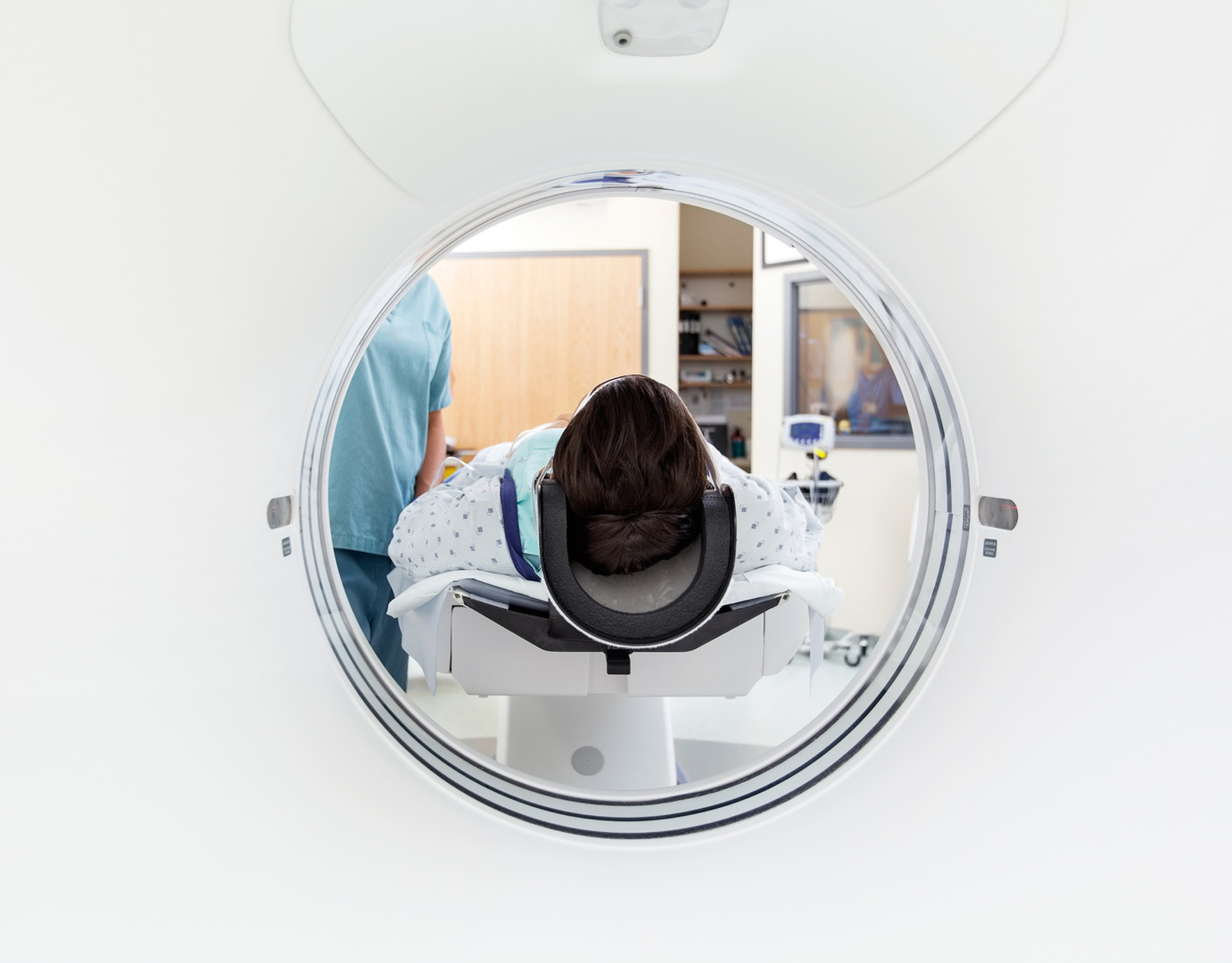
Lung nodules, ranging from a few millimetres to several centimetres, are often detected during routine imaging tests such as chest X-rays or CT scans. Infections, inflammation, or cancer can cause them. Determining whether a nodule is benign or malignant is essential, as benign nodules are stable and pose no health risk, whereas malignant nodules require attention.
Size, shape and growth rate all inform the decision. Suspicious nodules often require a biopsy or surgical removal for a definitive diagnosis. Early detection and treatment are critical, especially in early-stage lung cancer, where surgical resection can significantly improve patient outcomes. This is where RATS shines. It’s a precise and minimally invasive method for evaluating and managing lung nodules, reducing patient risk and improving outcomes.
How Does Robotic-Assisted Thoracic Surgery Help Surgeons?
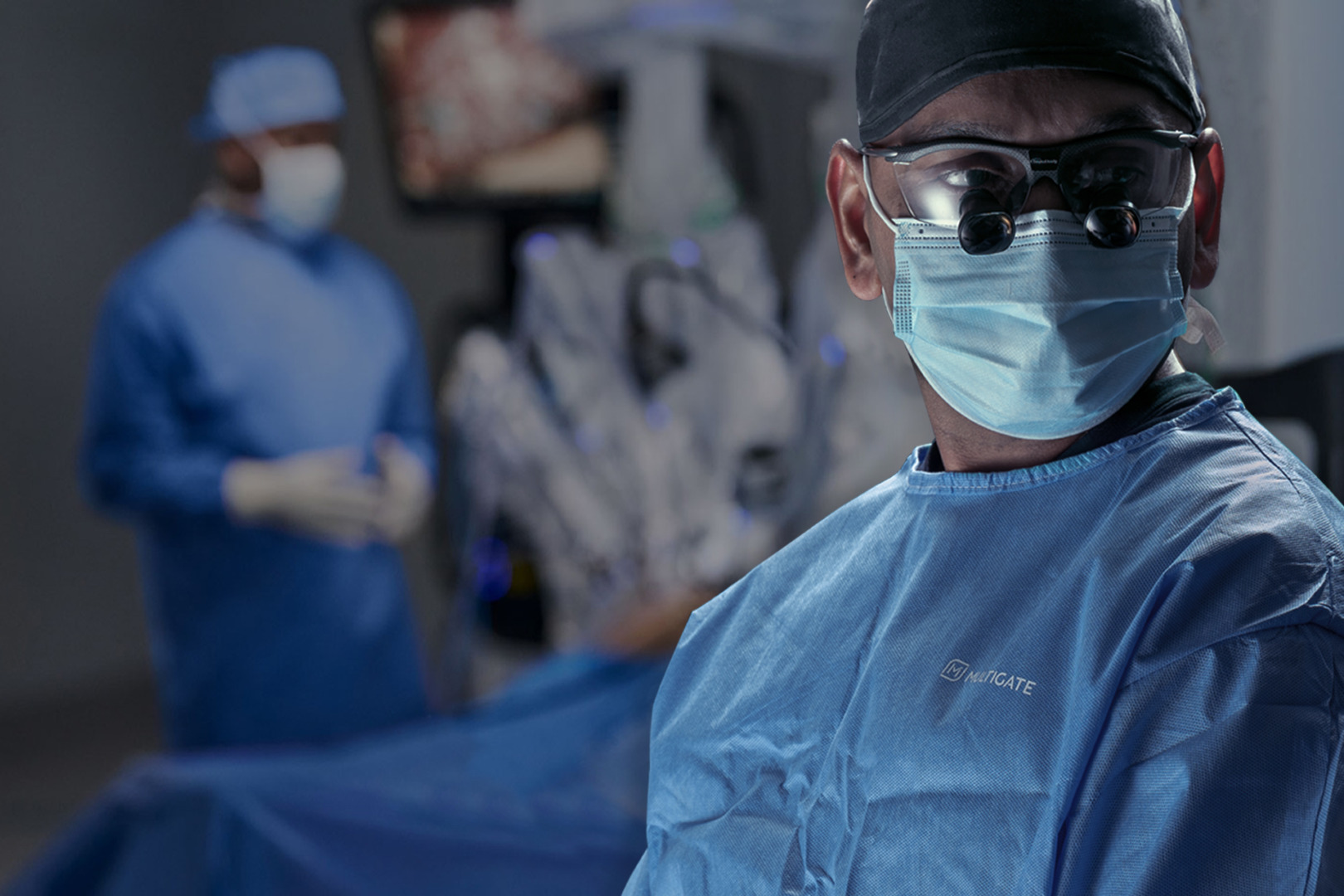
Robotic-assisted thoracic surgery (RATS) for lung nodules employs advanced robotic technology to assist surgeons. Unlike open surgery, which requires large incisions and trauma to the chest wall, RATS allows for precise lung nodule removal surgery through small incisions.
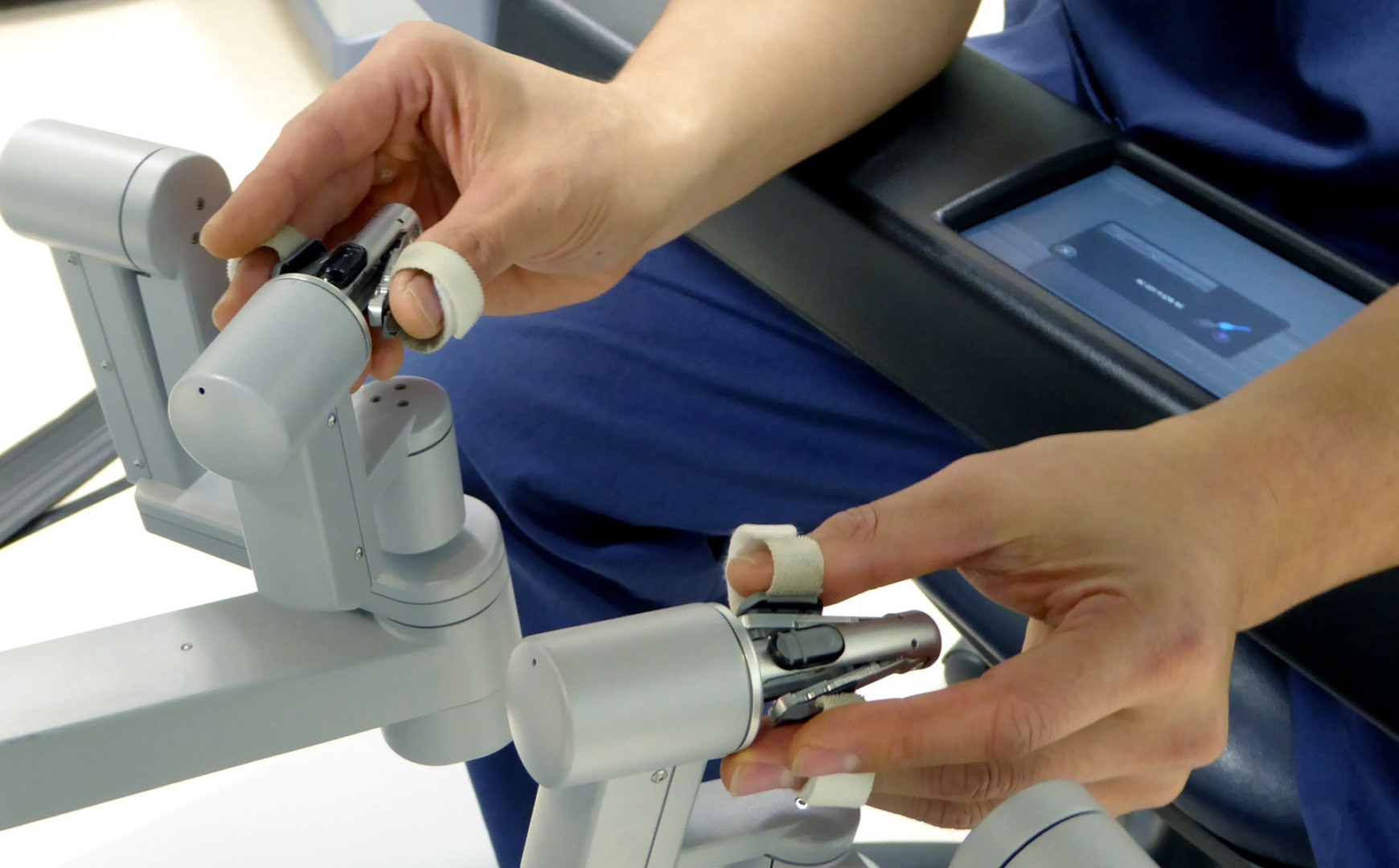
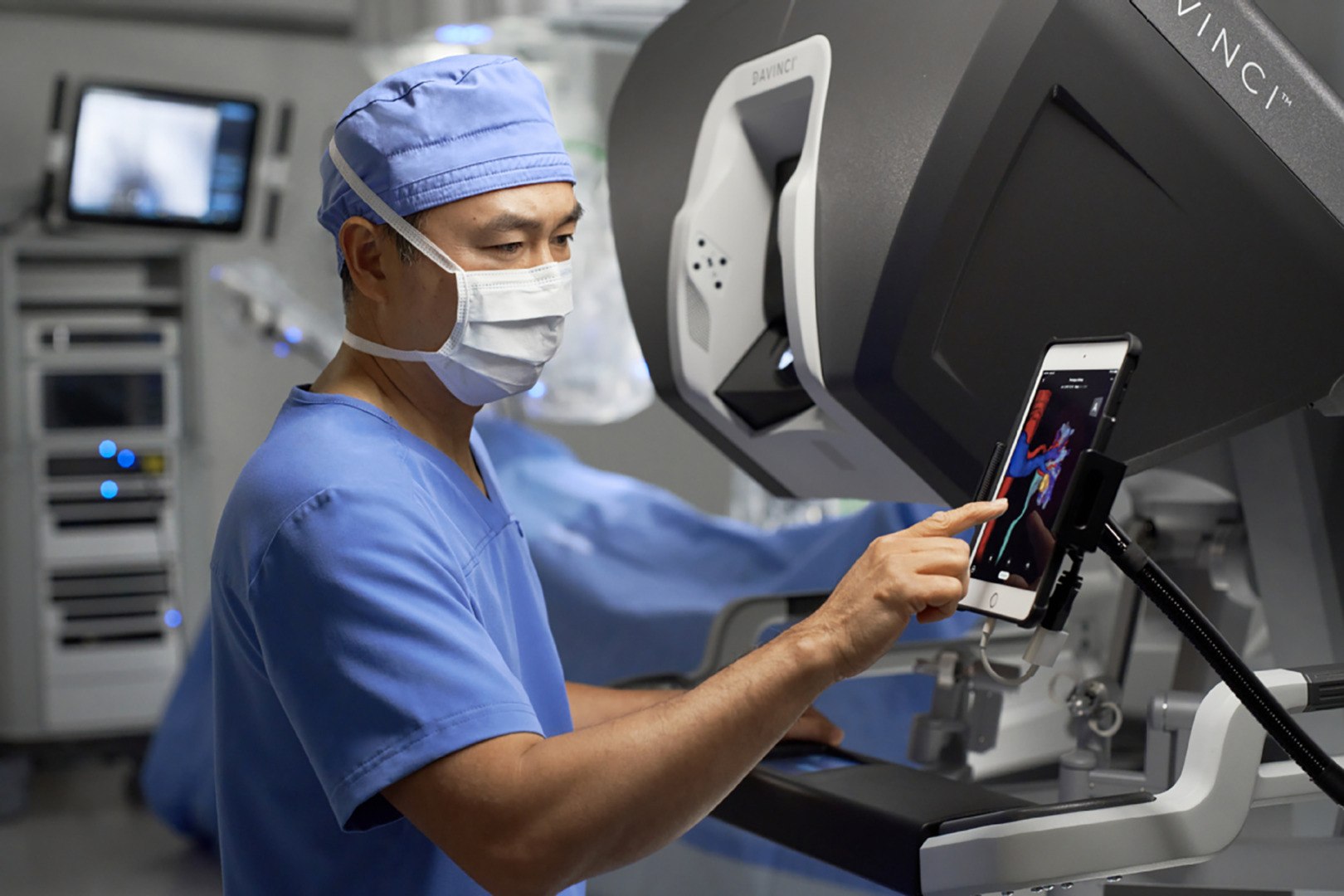
The surgeon controls the robotic arms from a console during the procedure and can view the surgical site in full, high-definition 3D. Like the da Vinci surgical system, robotic technology enables surgeons to be more precise and in control.
These robotic instruments are more dexterous than human hands, enabling precise dissection and tissue handling in complex or delicate lung regions. This is particularly useful when nodules are small or located deep within the lung tissue.
RATS in Lung Cancer Surgery
RATS has a dual role in the diagnosis and treatment of patients with suspicious lung nodules. During a robotic-assisted procedure, the surgeon can remove the nodule for biopsy while preserving as much healthy lung tissue as possible, enabling a faster recovery than traditional lung surgery. It gives a definitive diagnosis and minimises the need for additional surgeries.
If the nodule is malignant, RATS can then transition to a therapeutic intervention like a lobectomy or segmentectomy. Performing diagnostic and curative procedures in a single sitting reduces overall treatment time and optimises patient outcomes. RATS also excels in lymph node dissection, a critical part of lung cancer surgery. Complete lymph node removal ensures accurate staging, reduces the risk of cancer recurrence, and provides patients the best chance of long-term survival.
What to Expect During Surgery
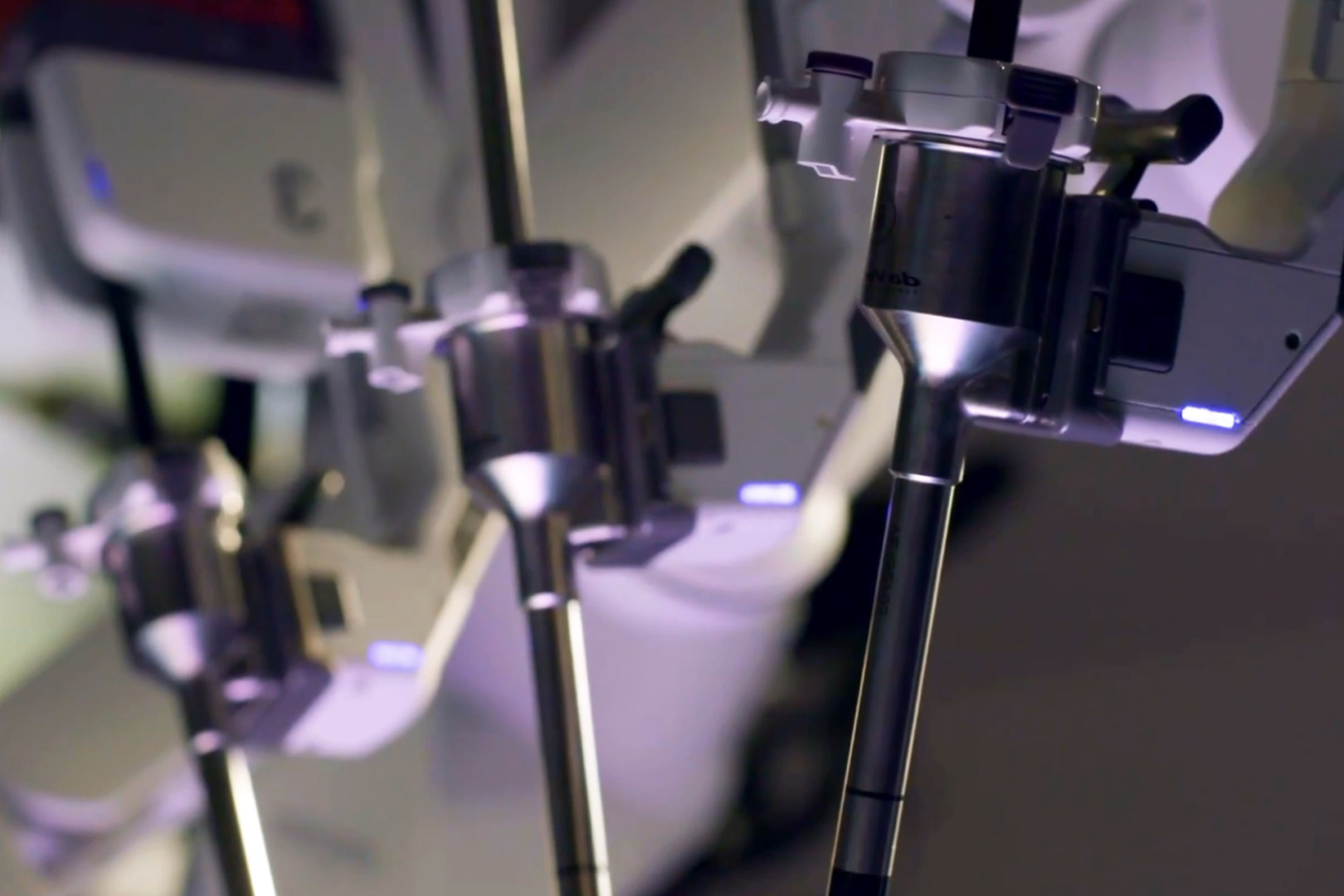
During robotic-assisted thoracic surgery, the surgeon will make several small incisions in the chest to insert a camera and specialised surgical instruments. Using a robotic surgical system, the surgeon controls these instruments from a console, allowing precise movements and better visualisation of the chest cavity. The procedure is done under general anaesthesia and takes several hours to complete. The surgeon will remove the lung nodule or affected lung tissue with minimal disruption to surrounding structures, providing a thorough and effective treatment.
As with any surgery, robotic-assisted thoracic surgery (RATS) has potential risks and complications. These include bleeding, infection, respiratory problems, cardiac issues, anaesthesia-related complications, nerve damage, and post-thoracotomy pain syndrome. These risks are also present in traditional lung surgery and are lower in RATS due to the operation’s less invasive nature. Consult your thoracic surgeon to discuss these risks and benefits and determine whether RATS is appropriate for you. By understanding the outcomes and preparing in advance, you can make an informed decision about your treatment.
The Patient Experience with RATS
RATS benefits not only surgeons but also patients. Compared to open thoracotomy, which involves long recovery and significant post-op pain, RATS is a minimally invasive option with fewer complications.
RATS patients experience less pain, smaller scars, and faster recovery time. Many can return home within a few days and resume light activities within a week. This fast recovery allows patients to return to their everyday lives with minimal disruption, which is essential for those balancing treatment with work or family responsibilities. The accuracy of robotic surgery reduces the likelihood of complications, such as infections or extended recovery times, and bolsters patients’ confidence in their treatment.
RATS vs Other Minimally Invasive Thoracic Surgery Approaches
RATS is more precise and versatile than other surgical techniques, including Video-Assisted Thoracoscopic Surgery (VATS) for lung nodules and open surgery.
VATS is another minimally invasive approach, but it requires 2D visualisation and limited instrument dexterity, which can be challenging in complex cases. Medical guidelines are accepting and recommending minimally invasive techniques like VATS for early-stage lung cancer because they offer the benefits of fewer complications, less pain, and shorter hospital stays.
RATS addresses these limitations by providing 3D visualisation and articulated robotic instruments, thereby enabling surgeons to navigate complex anatomy more easily. Video-assisted thoracoscopic surgery also has fewer complications and shorter recovery times than open thoracotomy. This is very important in lung nodule surgery, where precise localisation and excision are key.
Why Choose Neumark Lung & Chest Surgery Centre for RATS?
Neumark Lung & Chest Surgery Centre specialises in robotic-assisted thoracic surgery, combining the latest technology with expertise to offer you personalised, precise, and compassionate care. We will guide you through your treatment process with clarity and support from consultation through postoperative recovery. If you or a loved one has been diagnosed with lung nodules, don’t wait to seek expert help.
Contact Neumark Lung & Chest Surgery Centre today to learn how robotic-assisted thoracic surgery can provide precise, minimally invasive treatment and peace of mind.