Stage 4 lung cancer is considered an advanced cancer and is classified as a late-stage disease, highlighting the severity and complexity of this stage. If you are wondering what to expect with Stage 4 lung cancer treatment, there is usually a combination of different types of treatment, along with managing symptoms, and a few carefully chosen medical procedures. At Stage 4, the cancer will have spread beyond the original tumour in the lung or has taken up residence in the pleura, the protective wrapping around the lung. Treatment shifts focus to control, comfort, and carrying on with as much of daily life as possible.
At Neumark Lung & Chest Surgery Centre, treatment is undertaken at either Gleneagles or Mount Alvernia hospitals. Dr Mithiran at Neumark works closely with his colleagues from medical oncology, radiation oncology, radiology, pathology, and supportive care to ensure your treatment aligns with your individual situation and personal goals.
What Is Stage 4 Lung Cancer?
Stage 4 lung cancer is where the cancer has spread to other parts of the body, or it has spread within the chest area, such as to the pleura, or wraps itself around the lung in malignant fluid. You may also hear your doctor refer to it as metastatic lung cancer or advanced lung cancer. Both non-small cell lung cancer (NSCLC) and small cell lung cancer (SCLC) can present at Stage 4, and the treatment approach does vary between them. These details will significantly impact which treatment options are realistic and whether treatments such as radiotherapy or surgery offer additional benefit.
Stage 4A vs Stage 4B Lung Cancer
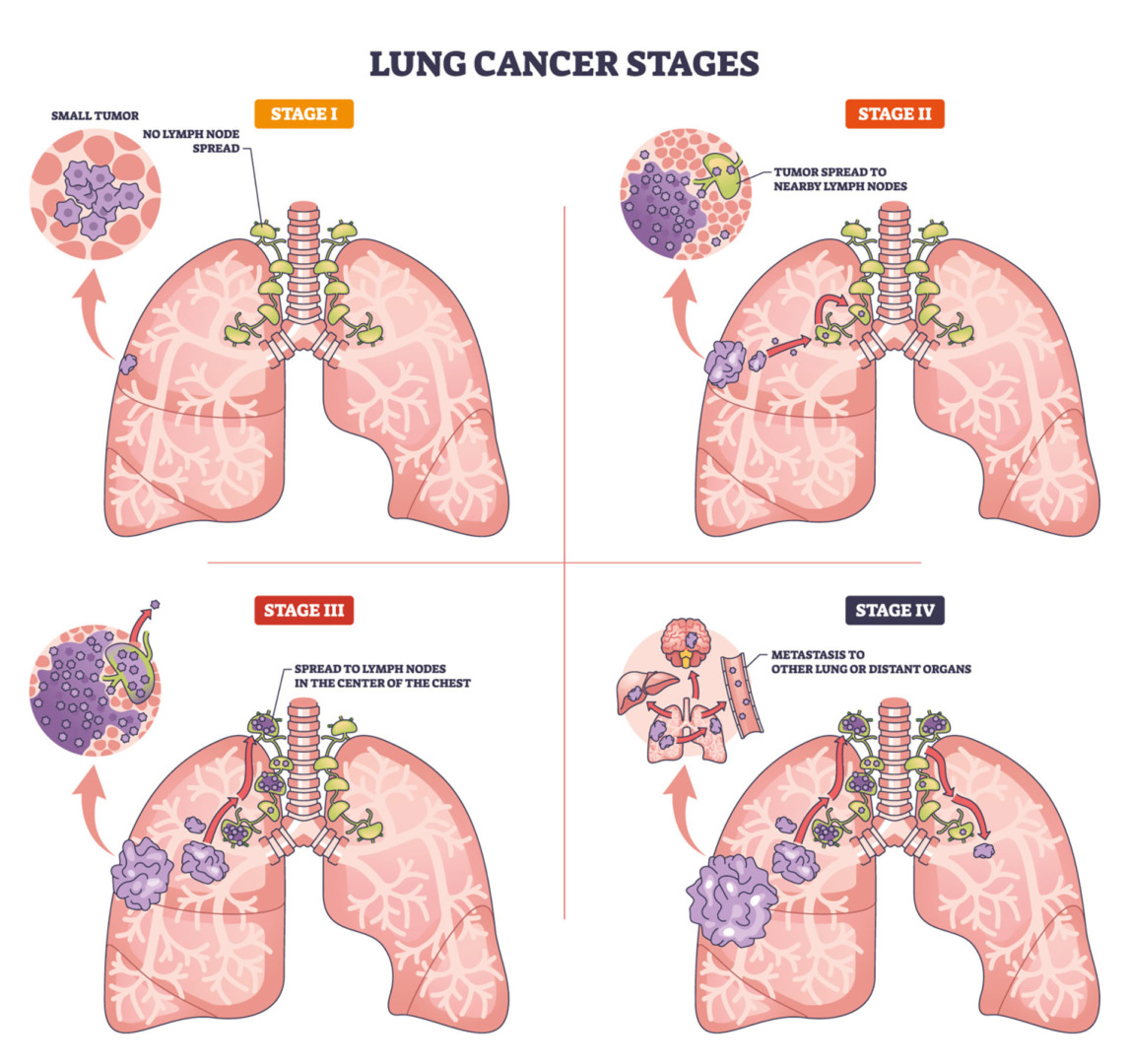
While both Stages 4A and 4B lung cancer are late-stage, the pattern of spread can influence which lung cancer treatment options are most suitable.
To put it in simple terms:
- Stage 4A might mean the cancer has spread to the other lung, or is affecting the pleura or the layer around the heart.
- Stage 4B generally means the cancer has spread to lots of places outside the chest, for example, to multiple lymph nodes or organs.
Doctors also use a system called the TNM system (Tumour, Node, Metastasis). In this system, Stage 4 corresponds to the extent of cancer spread, such as M1a, M1b, or M1c. To monitor cancer’s spread and accurately determine the stage, doctors use imaging and other tests.
Symptoms and Red Flags to Watch Out For
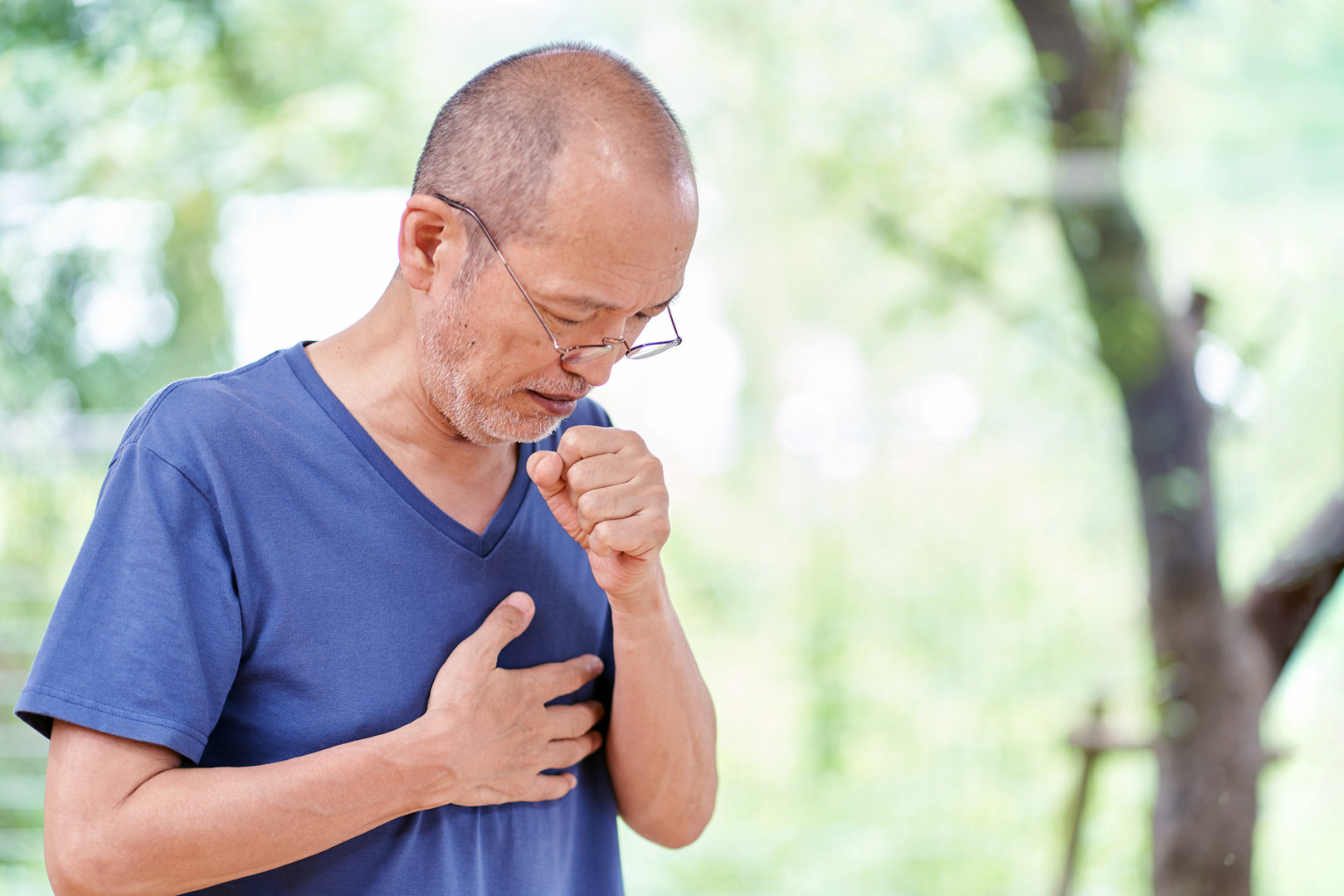
Stage 4 lung cancer symptoms can arise from the tumour, from the spread elsewhere, or from complications such as fluid around the lung. Some people are surprised to find that it’s possible to have no symptoms with Stage 4 lung cancer at the start, especially when the tumour is relatively small or has slightly metastasised. However, the lack of symptoms does not mean it’s a low-risk cancer.
Some symptoms you might experience include:
- Persistent coughs, breathlessness that’s getting worse, wheezing, or getting chest infections again and again
- Coughing up blood, chest pain or a dull ache in the shoulder or back
- Feeling tired all the time, losing your appetite and losing weight unintentionally
- Bone pain or fractures if you’ve had a slight accident
- Headaches, dizziness, weakness, vision changes, or seizures, which could be a sign that the cancer has spread to the brain
If you experience any of the following, seek urgent medical help.
Some people also get a hoarse voice, wheeze, or frequent chest infections, such as bronchitis or pneumonia. If the cancer has spread to the liver, your skin might turn yellow (jaundice). Your doctor may also look for swollen lymph nodes in your neck.
Stage 4 Lung Cancer Causes and Risk Factors
Stage 4 lung cancer causes are most often a combination of factors. Smoking is still the most significant risk factor (including exposure to second-hand smoke), but many more people these days who get Stage 4 lung cancer have never smoked at all.
Other factors that can contribute to a higher risk of getting Stage 4 lung cancer include exposure to radon, working with hazardous materials like asbestos or silica, exposure to diesel fumes, long-term air pollution, and a family history of lung cancer. Sometimes, doctors just can’t find a clear cause. The next step is still to find out more about the tumour type, where it has spread, and whether there are any treatable markers.
Diagnosis in Singapore
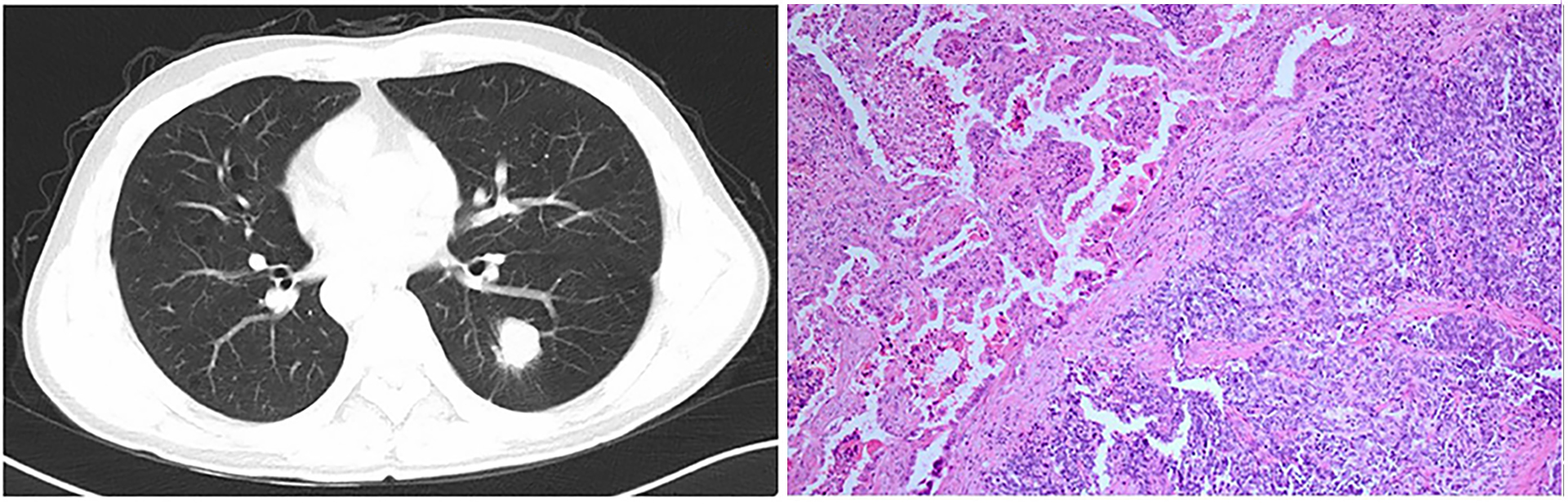
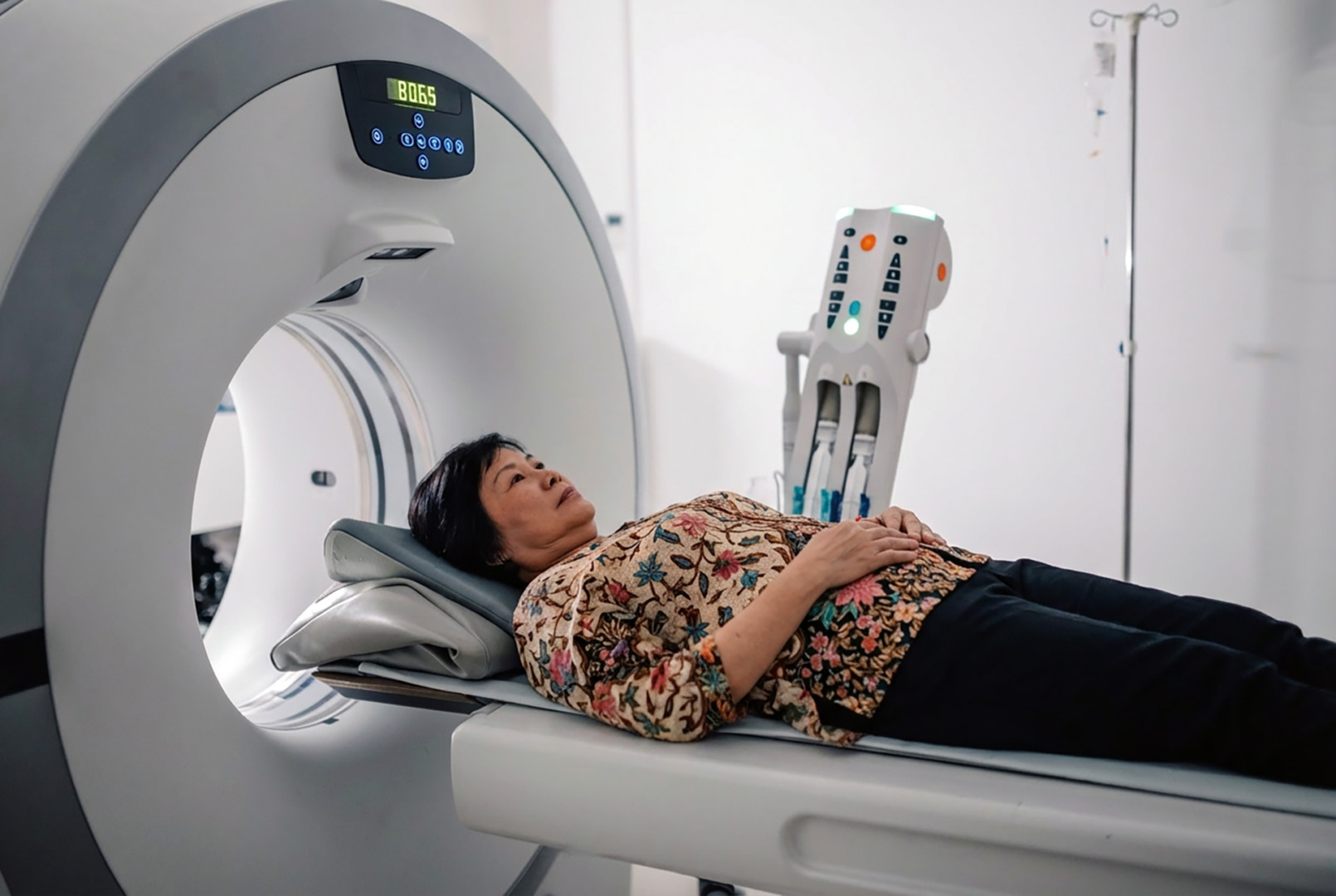
In Singapore, Stage 4 lung cancer is often discovered inadvertently through a chest X-ray or CT scan. A lung cancer specialist, like Dr Harish, will likely suggest several scans to map out where the cancer is accurately to avoid treatments that might not be necessary. MRIs can help check whether the cancer has spread to the brain or spinal cord. CT scans examine the chest and other organs, and PET scans highlight areas of active disease across the body. Bone scans might be used if there’s a suspicion of cancer having spread to the bones.
A tissue biopsy is essential so doctors can recommend a bronchoscopy, an EBUS-guided lymph node biopsy, a CT-guided biopsy, or a test of the fluid around the lung. Molecular profiling and PD-L1 testing are also helpful in deciding the best treatment plan, which might include targeted therapy and immunotherapy.
By combining the results from these imaging tests, your oncology team can accurately determine the cancer’s stage. This is a key step, as the stage of lung cancer directly influences which Stage 4 lung cancer treatment options are most appropriate for you.
Genetic Mutations and Lung Cancer: Why Your DNA Matters
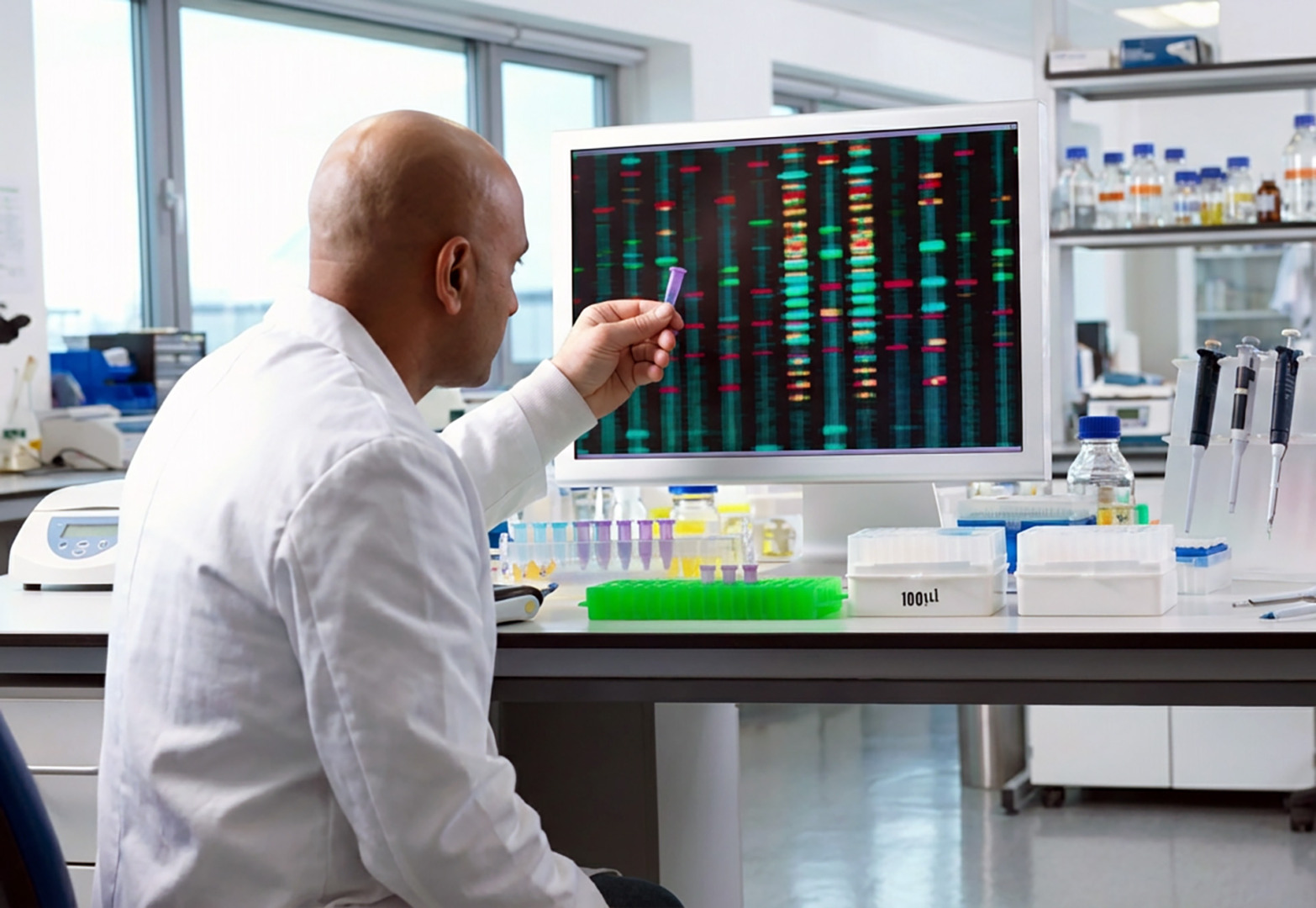
Not all lung cancers are the same. Your DNA can play a significant role in how your cancer behaves and how it responds to treatment. Specific genetic mutations, such as changes in the epidermal growth factor receptor (EGFR) gene, are strongly linked to the development of non-small cell lung cancer. If your cancer has an EGFR mutation, you may benefit from EGFR inhibitors, a type of targeted therapy that can be more effective and have different side effects compared to traditional chemotherapy.
As research continues, more genetic mutations are being discovered, making this a rapidly evolving area of lung cancer care.
Stage 4 Lung Cancer Treatment Options in Singapore
Typically, Stage 4 lung cancer treatment options will start with systemic therapy as the cancer itself is in places beyond the lung. For patients whose cancer has specific genetic mutations, targeted treatment through immunotherapy may be recommended. Local therapies, symptom management, and possibly surgery, are added as needed to achieve particular goals. Your care team will review and adjust your plan over time based on how well your scans are going, any side effects you’re experiencing, and what you hope to get from treatment.
Chemotherapy and Immunotherapy
Chemotherapy for Stage 4 lung cancer is still a key treatment option, especially when there’s not an actionable genetic change. It aims to either shrink or stabilise the tumour. Side effects can vary widely but may include fatigue, nausea, reduced blood counts, increased risk of infection, neuropathy, and hair loss. With the proper support and dose adjustments, though, many people can stay on treatment.
Immunotherapy helps train the immune system to attack cancer cells. It can be given alone or with chemotherapy, depending on your PD-L1 levels and the overall clinical picture. There are also immune-related side effects that can affect the lungs, bowel, liver, skin, or glands that regulate hormones, so contact your specialist if new symptoms appear.
It is helpful to know that the treatment selection often differs between Stage IVA (not too widely spread) and Stage IVB (much more widely spread). For example, Stage IVA might start with targeted therapy and, in some cases, local treatment including minor surgery. Stage IVB generally relies on systemic therapy, such as chemotherapy, immunotherapy, targeted therapy, or combinations of these.
Targeted Therapy and Personalised Treatment
If molecular testing identifies a driver mutation (such as EGFR or ALK), targeted therapy can be highly effective and often becomes a central part of treatment. However, some tumour types, such as squamous cell carcinoma, do not respond to targeted therapy, which highlights the importance of comprehensive tumour profiling.
Radiation Therapy and Procedures for Symptom Control
Radiation therapy can be used to treat painful bone metastases, protect the spinal cord, or control metastatic sites such as brain metastases. It can also relieve bleeding or airway blockages in the chest. Procedures such as draining pleural fluid, performing pleurodesis, or placing an indwelling pleural catheter can minimise breathlessness and help patients stay active during treatment.
These treatments won’t directly change your survival rate, but they can improve your ability to function, get a good night’s sleep, and maintain your appetite. For many, that makes treatment much more manageable.
Targeted Local Treatments for Specific Spread and Airway Symptoms
Even when your cancer has spread to other places, local treatments can play an important role, either to manage symptoms or treat a few metastatic sites alongside systemic therapy. Some local treatments your team might suggest include:
| Targeted Treatment | About Treatment |
| Stereotactic radiosurgery | For brain metastases, or whole brain radiotherapy, when there are several brain lesions |
| Stereotactic ablative body radiotherapy | For cancer that’s spread to one or a few distant sites (often called oligometastatic disease) |
| Laser therapy, cryotherapy, and brachytherapy (internal radiotherapy) | To relieve blockage or bleeding in the airway |
| Stent | Can be used to keep the superior vena cava open if it’s being compressed |
These interventions don’t replace systemic therapy, but they can make a big difference to day-to-day life.
New Treatments and Clinical Trials
New treatments for Stage 4 lung cancer that have not yet been approved are often the subject of conversation, as the field is constantly changing. These might include newer targeted agents, antibody-drug conjugates or evolving immunotherapy combinations. Clinical trials may be an option if your cancer has a specific feature that matches a study or if your specialist believes it is worth exploring after having used standard treatment options.
When Someone Is Considering No Treatment
When there is a question about whether treatment is necessary at all, it is worth discussing. Some patients get cold feet about treatment because the side effects seem too disparaging, or the diagnosis has drained the life out of them. Opting out of treatment altogether can, and probably will, make the situation worse faster, depending on where that cancer is.
It’s important to know that life expectancy is generally much shorter for Stage 4 lung cancer with no treatment, so understanding your prognosis and all available options is crucial. And even if you decide not to tackle the cancer head-on, you can still get real help with things like breathlessness, pain and a cough.
Palliative Care Isn’t Hospice
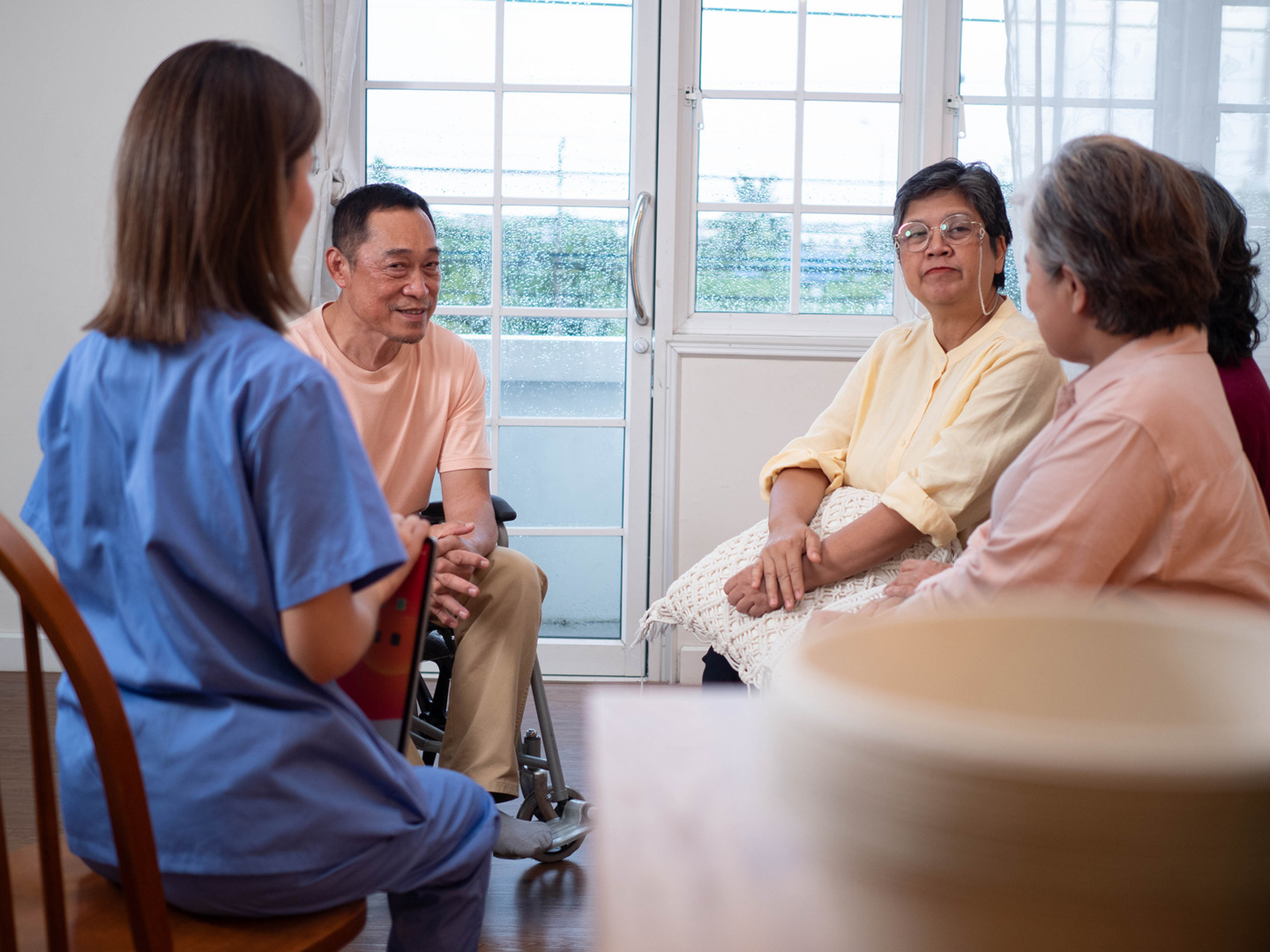
Palliative care is about making life easier, physically and emotionally. This includes combating breathlessness, pain, coughs, queasiness and fatigue. You can start it early and use it alongside chemo or immunotherapy. Support groups can also provide valuable emotional and practical support for both patients and caregivers, helping them cope with the challenges of Stage 4 lung cancer. Hospice, on the other hand, is different altogether and provides support and comfort to patients near the end of their lives.
Stage 4 Lung Cancer Surgery & Minimally Invasive Approaches
Surgery isn’t as straightforward as you might think, and it isn’t the right choice for most patients. However, in carefully picked situations, it may be considered. The goal is usually one of three things: acquiring tissue to help with a tricky diagnosis, tackling a local problem (like bleeding or recurrent infections behind a lung blockage), or complementing other treatment options.
A thoracic surgeon like Dr Harish can address a specific problem without delaying whole-body treatment. For example, dealing with a malignant pleural effusion (fluid in the lung) or getting a tissue diagnosis can make a big difference in the treatment you receive next.
In cases of Stage 4 lung cancer surgery, the goal is usually not to cure the cancer. It’s more about fixing a specific issue that’s causing problems. In some cases, where the cancer has only spread to one or two places, a more comprehensive plan can involve using surgery and radiotherapy to deal with the spread before switching to treatments that target the whole body. Some advanced surgical methods include:
| Surgical Procedure | About Procedure |
| Video-Assisted Thoracoscopic Surgery (VATS) | Uses tiny incisions and a camera to perform chest procedures. When dealing with advanced disease, VATS might be used for a pleural biopsy, draining fluid, or even a wedge resection if the circumstances are right. |
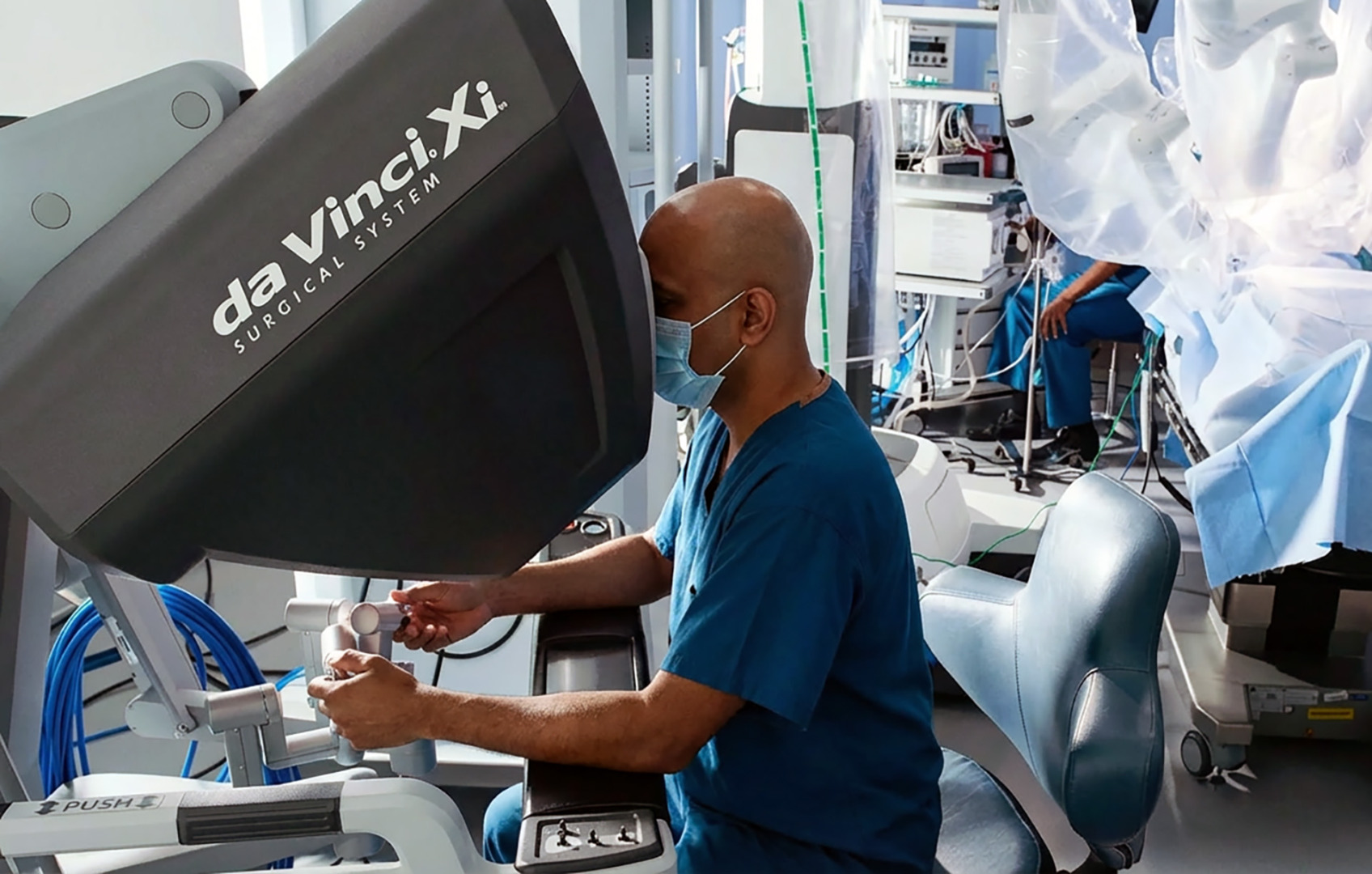
| Robotic-Assisted Thoracic Surgery (RATS) | Uses robotic instruments controlled by the surgeon to improve vision and dexterity in the operating room. For some patients, RATS can be a significant aid in precise dissection during certain resections or mediastinal procedures. |
| Uniportal-VATS (U-VATS) | U-VATS is performed through a single small incision. When appropriate, U-VATS can help with biopsies and pleural procedures, reducing trauma and enabling a faster recovery. |
Our surgeons will be able to talk you through the realistic benefits and limitations of surgery and how it interacts with other treatments you’re having.
Recovery & Follow-Up
Recovery varies depending on what treatment you’re having and how fit you were to start with. Some people may be able to return to work part-time while receiving immunotherapy, while others may need to take a more extended break during chemotherapy. After a minimally invasive procedure like RATS or U-VATS, you will usually be able to get up and about soon, and some people can even go home a few days after a relatively straightforward pleural procedure. However, more complex operations will take longer to recover from.
Your team will check on your symptoms, run some blood tests and do periodic scans to see how the cancer is responding. These regular checkups and scans are also crucial for monitoring cancer’s spread and assessing how effective your treatment is. They will also be on the lookout for any complications, such as infection, blood clots, or fluid reaccumulation, or treatment-related lung inflammation.
Side effects vary from person to person, and it’s a good idea to tell your team as soon as possible if you notice anything that doesn’t feel quite right. Chemotherapy can increase the risk of infection, and chest radiotherapy can carry longer-term risks depending on the area being treated, including effects on the heart in some cases. So, if you get a new cough, start feeling feverish, experience chest pain, or suddenly feel more tired, let your team know right away; treatment-related complications are usually manageable if caught early.
Diet & Daily Self-Care
A practical approach to your diet for Stage 4 lung cancer is to eat enough protein, snack on nutrient-dense foods, and eat small, frequent meals if your appetite is low. Staying hydrated is also key, especially during treatment. If you start getting taste changes, nausea, constipation, or mouth soreness that’s making eating difficult, get in touch early to arrange a dietitian and any symptom-relieving medication that might be needed.
Gentle activity, breathing exercises, and a regular sleep routine can all help, too. If you do smoke, quitting now can make a difference to your breathlessness and treatment tolerance.
Survival Rate, Remission & Realistic Hope
It’s natural to want to search for survival stats, but lung cancer Stage 4 survival rates are based on big groups of people and don’t account for what might happen to you as an individual. They can be affected by age, for instance, because older adults often have other health conditions to manage and might not tolerate specific treatments. In the clinic, our lung cancer specialists consider many factors when assessing a patient’s prognosis.
Estimated 5-Year Survival Rate
The 5-year survival rate compares people with lung cancer to those without it over 5 years. These numbers are population-level estimates and do not account for the specifics of your tumour biology, your response to treatment, or recent advances.
One published set of figures shows that the 5-year relative survival rate for people with metastatic (Stage 4) non-small cell lung cancer, which has spread to distant organs, is only around 8%, and for small cell lung cancer that has spread, it’s around 3%. Lung cancer survival rates are significantly lower for Stage 4 compared to earlier stages, reflecting the challenges of treating advanced cancer.
Patients often ask us about how long someone can live with Stage 4 lung cancer, and the truth is that the answer does depend on individual factors, things like the pattern of spread, the effectiveness of the treatments being used, and how well the person is responding to them. Most patients have 1 to 2 years of treatment, but some can live 5 years or more. We advise people to ask us to review the scan results after a few weeks of treatment, as this can give us a much better idea of how things are going.
Can you survive Stage 4 lung cancer?
Some people do manage to survive for many years, usually when the cancer responds well to targeted drugs or immunotherapy. The stories you hear about people living with Stage 4 lung cancer for a long time typically involve a combination of effective treatment, close follow-up, and good management of any side effects or complications that arise.
Can Stage 4 lung cancer go into remission?
It’s more likely to happen when a tumour has a specific genetic change that makes it targetable by drugs, or when it’s a high PD-L1 tumour and the right immunotherapy is used. Remission can take different forms – either the cancer shrinks right back, or it just seems to disappear. Still, it’s worth remembering that just because a person goes into remission, it may not be permanent, so follow-up is crucial.
Is Stage 4 Lung Cancer Curable?
Although we do see some patients go into remission with proper treatment, only 10-20% do. The trouble with Stage 4 cancer is that it’s been spreading for some time, and this means that even if we do manage to get rid of all the cancer that we can see, it can still come back. That is why, for many people, the focus is more on managing symptoms and improving quality of life than on curing it.

Why Choose Neumark
Neumark Lung Cancer Treatment Centre brings expertise in minimally invasive thoracic surgery to bear on the treatment of advanced disease. We focus on using the proper procedures at the right time. We also make sure that the decisions we make about whether to use systemic treatments or a surgical procedure are closely tied together, so you get a clear plan of action tailored to your needs.
We also make things as easy as possible, arranging appointments, tests, and follow-up reviews at our hospitals on Napier Road and Thomson Road. We ensure clear handovers among the specialists involved in your care. If you are feeling uncertain about your plan, seek a second opinion, especially for Stage 4 lung cancer, where so many different treatment options and genetic tests are available.
If you would like to discuss your diagnosis and treatment options for Stage 4 lung cancer, contact us at Gleneagles or Mount Alvernia hospitals to arrange a consultation.