Video-Assisted Thoracoscopic Surgery (VATS) thymectomy is a minimally invasive approach for advanced thymus surgery. Compared with an open sternotomy, VATS offers smaller incisions, less blood loss, reduced postoperative pain, shorter hospital stays and faster recovery. In experienced hands, outcomes are comparable for early-stage thymoma and for thymectomy in myasthenia gravis. However, careful patient selection is essential, and open surgery remains the preferred option for large, invasive or complex tumours that require wider exposure.
At Neumark Lung & Chest Surgery Centre in Singapore, Video-Assisted Thoracoscopic Surgery (VATS) thymectomy is a core part of our practice, offering patients high-quality care delivered with careful planning and a personal touch.
What Is A VATS Thymectomy?
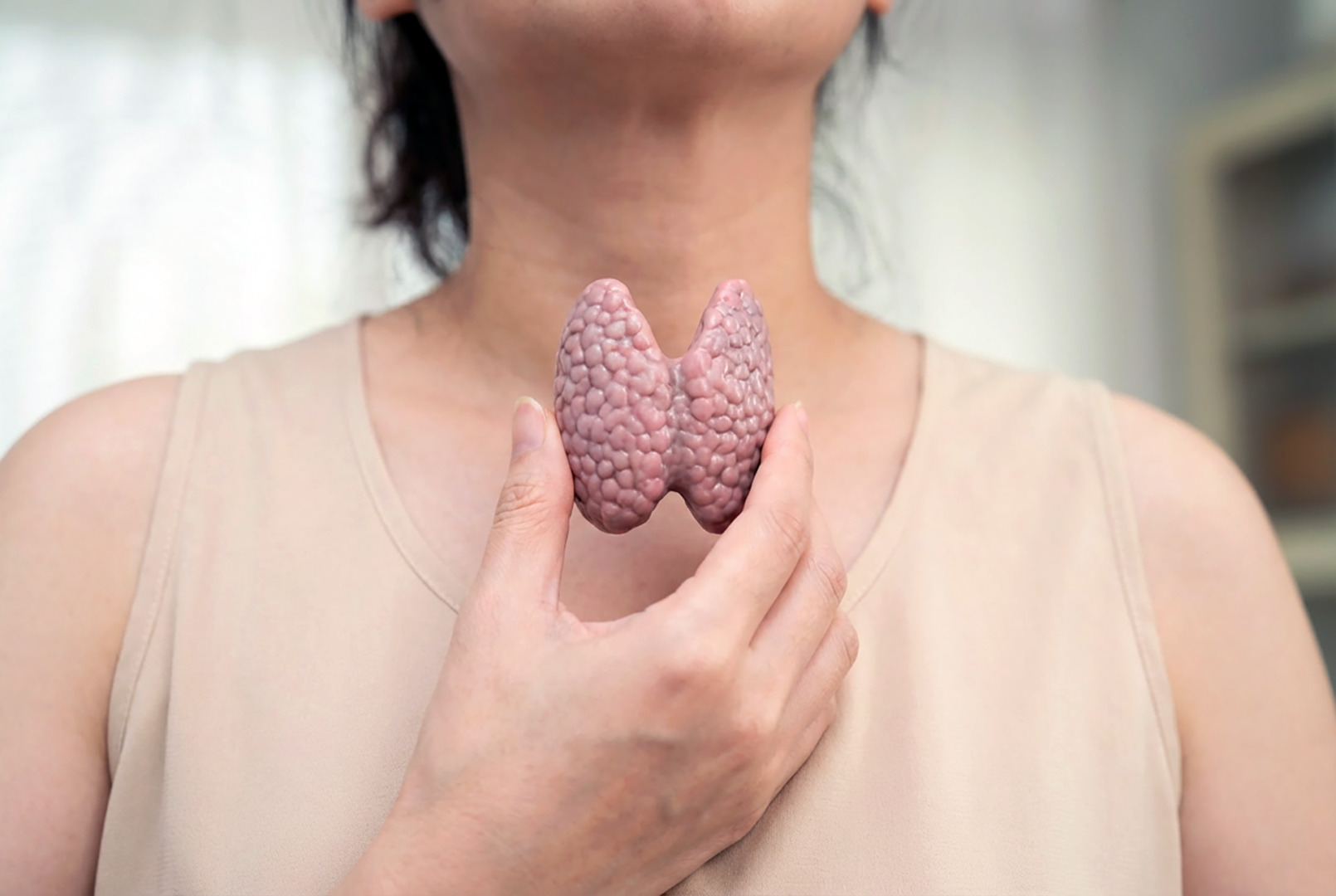
The thymus sits in the anterior mediastinum, the space behind the breastbone, and plays a role in immune development. The thymus is located just inferior to the thyroid gland, and is anatomically related to major vessels such as the superior vena cava and the left innominate vein.
With age, thymic tissue is gradually replaced by adipose tissue. In adults, it often becomes less active, but it can still be affected by tumours such as thymoma or contribute to autoimmune conditions, including myasthenia gravis.
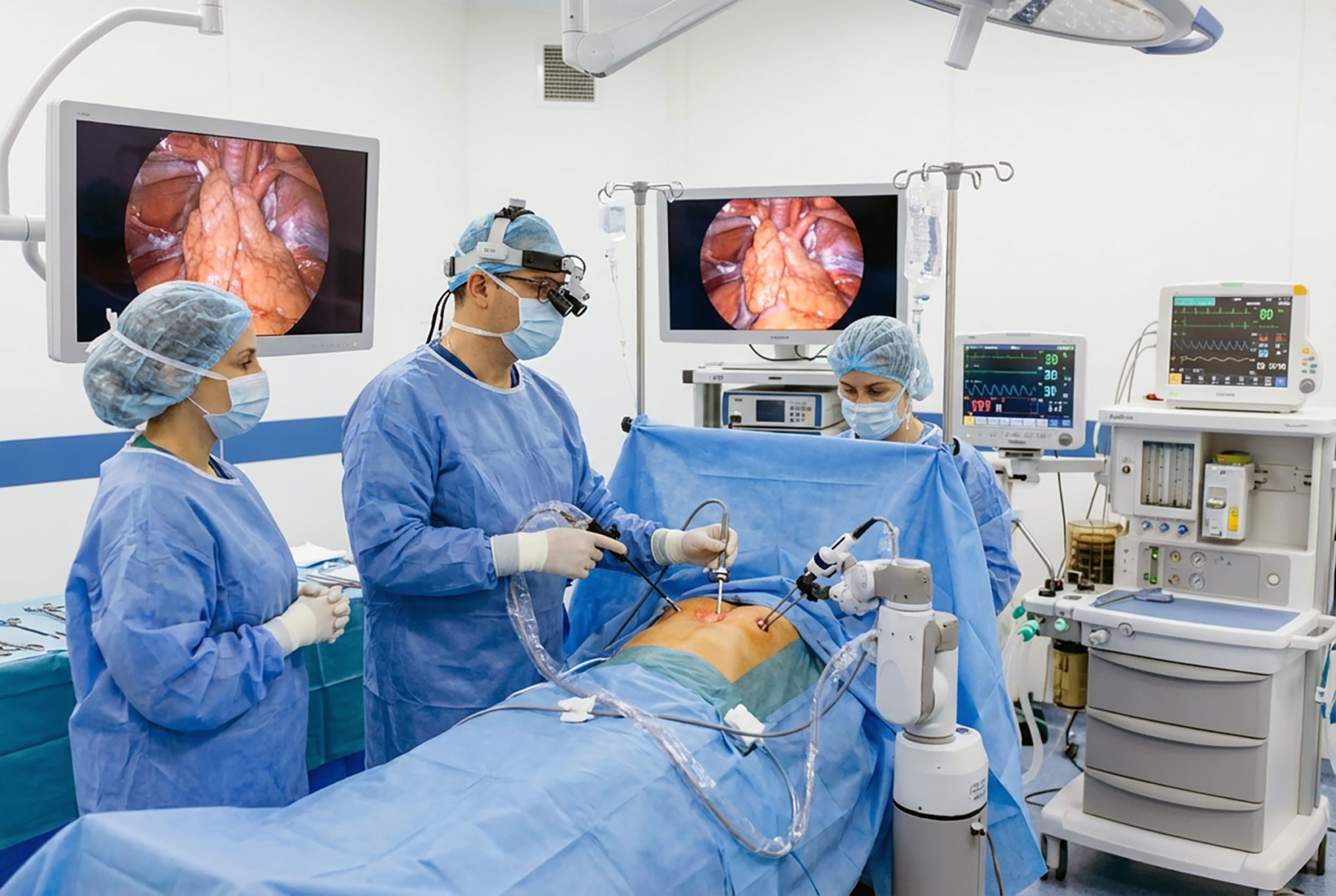
In those cases, a VATS thymectomy can be performed by placing a tiny camera and slim instruments through small incisions between the ribs to remove the thymus gland. These instruments allow the surgeon to visualise the thymus and surrounding structures in detail and to perform the operation without the large external incisions required in traditional open surgery.
VATS thymectomy is widely used both to remove thymic tumours and to help control symptoms in selected patients with autoimmune disease.
When Is A Thymectomy Recommended?
Patient presentation, such as symptoms, medical history, and imaging findings, plays a crucial role in guiding the decision to recommend a thymectomy. The two most common indications that suggest a thymectomy is necessary are thymoma and generalised myasthenia gravis.
For thymomas, complete removal of the tumour and the thymus offers the best chance of long-term control, particularly in early-stage disease. In myasthenia gravis, thymectomy can reduce symptom severity and medication requirements over time in patients who meet clinical criteria.
Other reasons for surgery include suspicion of thymic hyperplasia, indeterminate anterior mediastinal masses, and selected cases where diagnostic clarity or removal is needed.
When planning surgery, imaging is essential for assessing tumour extent and selecting the most appropriate surgical approach, such as VATS, robotic, or an open thymectomy. VATS thymectomy is often preferred when imaging suggests the tumour is localised and not invading neighbouring structures such as the great vessels or the pericardium.
Why Choose a Minimally Invasive Approach?
Compared to open surgery, which traditionally requires splitting the breastbone, minimally invasive approaches such as VATS and robotic-assisted thymectomy offer several advantages: smaller incisions, less pain, earlier mobilisation, shorter hospital stay, and improved cosmetic results.
The high-definition view provided by the thoracoscope allows meticulous dissection around vital structures, particularly in the confined space of the mediastinum. Minimally invasive techniques have been shown to provide improved clinical outcomes, including faster recovery times and lower complication rates than open surgery.
At Neumark, we discuss VATS and robotic approaches where relevant. The choice depends on the tumour size, location, anatomical variation, prior surgery and the patient’s overall health. We select the safest method that achieves complete resection with the least disruption to the patient’s life.
What to Expect Before Surgery
Assessment begins with a detailed consultation and review of your history, symptoms and scans. Most patients will undergo a contrast-enhanced chest CT to define the size and extent of the lesion. An MRI may be used selectively to assess relationships with blood vessels or to clarify uncertain features. For myasthenia gravis, we coordinate care with neurologists and anaesthetists to optimise medications and plan safe perioperative management.
Preoperative tests usually include blood work, cardiopulmonary assessment and, if appropriate, lung function testing. We will discuss the procedure, alternatives, risks, and a clear plan for your operation and recovery. Our team works across Gleneagles Hospital and Mount Alvernia Hospital, with full inpatient and intensive care support available when required.
Intraoperative Care: What Happens during Surgery
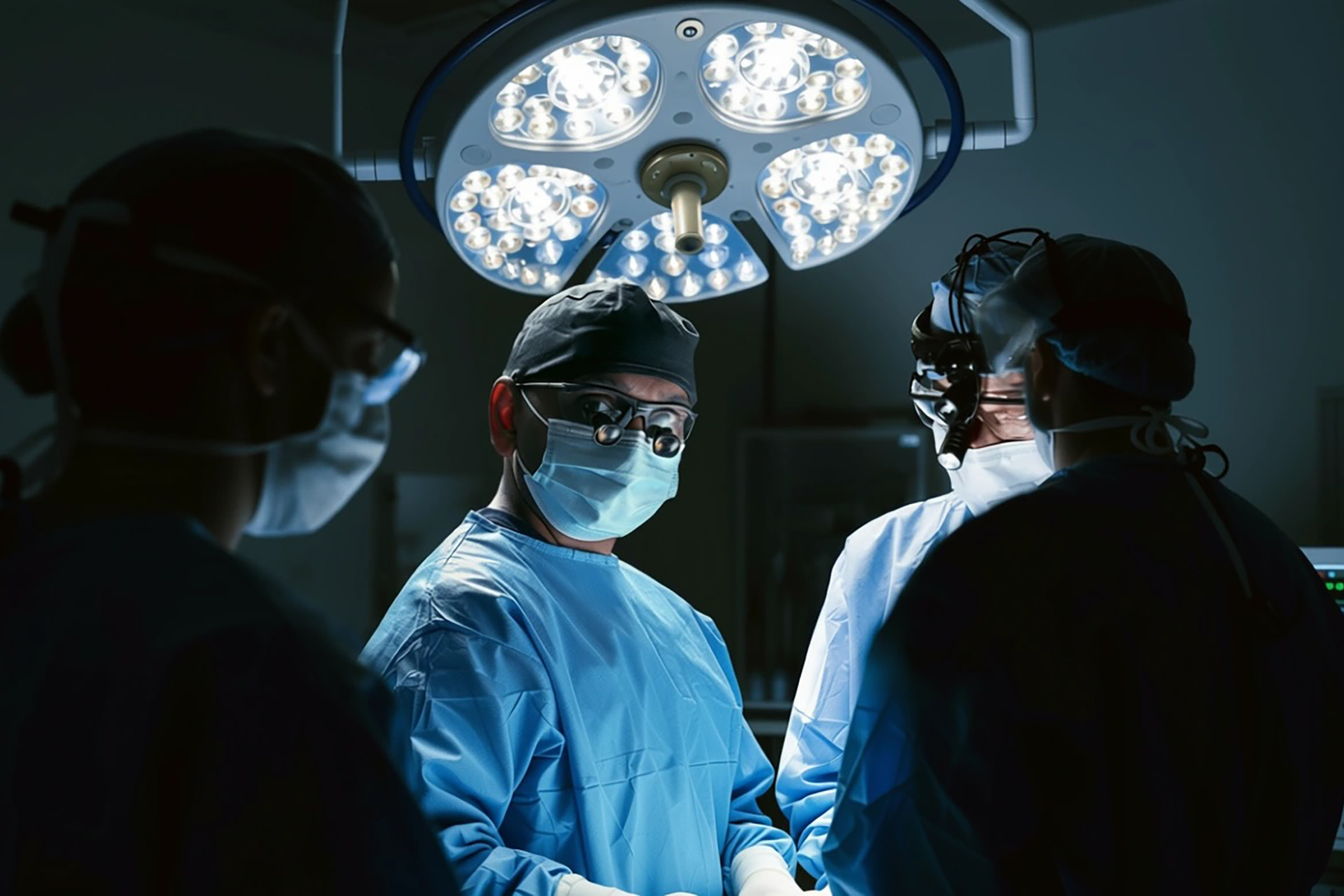
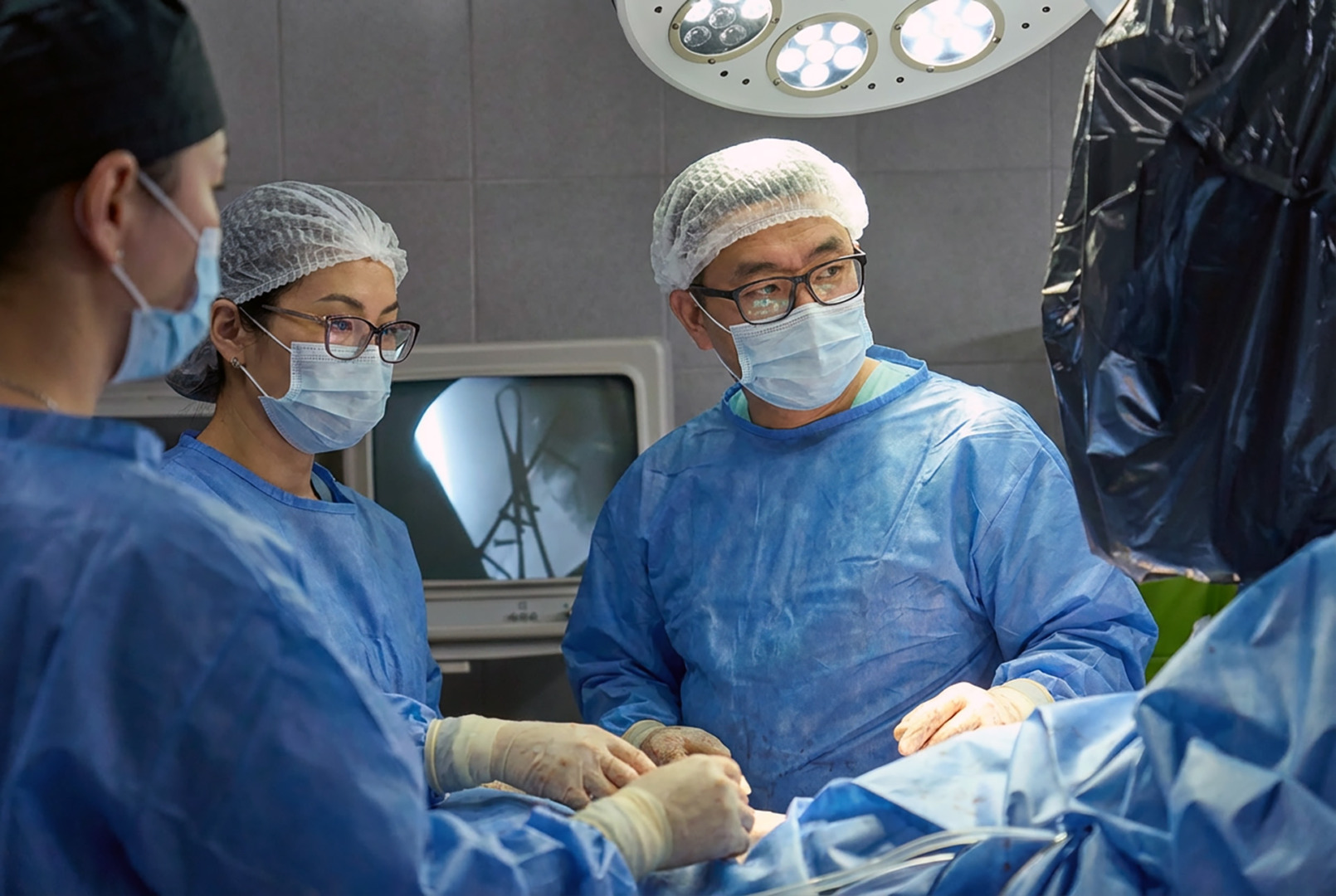
During a VATS thymectomy, intraoperative care is meticulously coordinated to ensure safety and optimal outcomes. Once the patient is brought into the operating room, they are positioned in a supine or semi-supine position, often with the affected side slightly elevated to provide the best access for surgery.
The surgeon makes two or three small incisions through which a high-definition thoracoscope and fine surgical instruments are inserted. Inside the chest, the surgeon carefully dissects the thymus gland and surrounding mediastinal fat, taking special care to avoid injury to the phrenic nerves, which are crucial for diaphragm function. The surgeon works thoroughly to ensure that all thymic tissue, including any ectopic thymic tissue, is removed.
For patients with myasthenia gravis, additional precautions are taken to prevent a myasthenic crisis, with close collaboration between the surgical and anaesthesia teams. The use of CO2 insufflation and advanced energy devices facilitates precise dissection and reduces bleeding in all patients.
Recovery and Results
Most patients spend one to three days in the hospital, depending on their health and the complexity of the operation. This is far shorter than the usual recovery time for traditional open procedures. Pain is usually managed with oral medication, and patients are encouraged to start moving and breathing exercises early to reduce the risk of complications. The chest drain is typically removed once the lung is fully expanded and drainage has settled.
You can expect to return to desk-based work within 2 to 3 weeks and to normal activity within 4 to 6 weeks. Heavy lifting and vigorous exercise should be avoided until cleared by your surgeon.
Follow-ups at the clinic are important for reviewing your recovery, discussing pathology results and planning further care. For patients with thymoma, ongoing surveillance is important to monitor for recurrence. For myasthenia gravis, improvements are often gradual and coordinated with your neurologist. Clinical outcomes, including postoperative complications, recurrence rates, and long-term remission, are key measures of success after a thymectomy.

Risks and Considerations
Every operation carries risks, and it is important to understand them in context. Potential risks of a VATS thymectomy include bleeding, infection, injury to nearby structures, a prolonged air leak, and the possibility of conversion to an open procedure if necessary. There is also a risk of recurrence in thymoma, which depends on stage, margin status, and whether an incomplete resection was performed. These risks are minimised by thorough planning, precise surgical technique and close postoperative care.
Who Is a Suitable Candidate For A VATS Thymectomy?
Most patients with early-stage thymoma or appropriate myasthenia gravis are potential candidates for a VATS thymectomy. Suitability depends on imaging findings, respiratory health, comorbidities and any prior surgeries. We assess each case individually, often within a multidisciplinary team involving thoracic surgery, radiology, anaesthetics, and, where relevant, oncology and neurology, to determine your suitability best.
Why Choose Neumark Lung & Chest Surgery Centre?
Our team is experienced in minimally invasive thymus surgery and provides integrated care from the first consultation to full recovery. We work across both Gleneagles Hospital and Mount Alvernia Hospital, ensuring seamless access to imaging, operating theatre support, and inpatient care. With a focus on safety, precision, and patient experience, we tailor each procedure to achieve the best outcome with the least impact on your life. Whether you are seeking treatment for thymoma or exploring options for myasthenia gravis, we are here to help with clear advice and careful planning.
If you are considering a VATS thymectomy or would like a second opinion on the best approach for your condition, contact Neumark Lung & Chest Surgery Centre today. Call us or send a message to arrange a consultation.