
Lung cancer holds the unfortunate distinction of being the world’s leading cause of cancer-related deaths. This translates to a sobering reality of death for many patients as the disease progresses, often silently and aggressively, claiming lives before symptoms are noticed.
Mutated Cells Cause Adenocarcinoma Lung Cancer
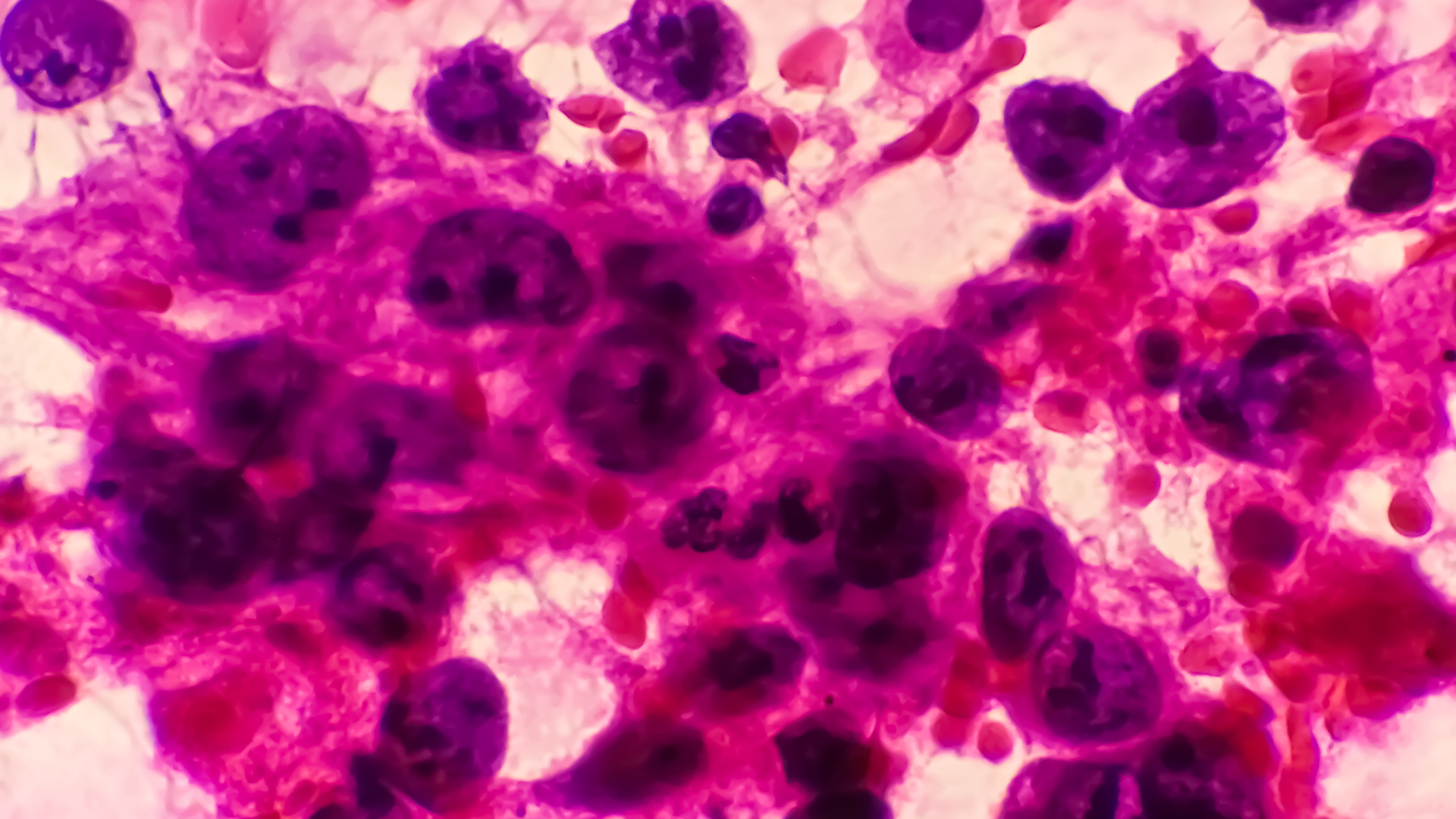
Adenocarcinoma of the lung is a form of non-small cell lung cancer that originates from glandular cells within the respiratory system. It’s likened to rogue gardeners in a lung’s garden, where mutated cells aggressively plant weeds instead of healthy flowers, disrupting the organ’s natural structure and function. This non-small cell lung cancer adenocarcinoma distinguishes itself from other types of lung malignancies.
Cancer causes over 28% of deaths in Singapore, with lung cancer being the leading cause. Data from the Singapore Cancer Registry (2017-2021) indicates lung cancer results in roughly 100 deaths per month in Singapore, 36% higher than colorectal cancer, the second deadliest cancer.
Adenocarcinoma is the most common type of lung cancer found in both smokers and non-smokers, particularly among women and younger people, compared to other forms of lung cancer. With rates of lung cancer rising in Singapore, the importance of awareness and early detection becomes even more important, as it is often fatal, as every three in four patients are diagnosed late at stages 3 or 4.
Thoracic surgeon and lung cancer specialist Dr Harish Mithiran emphasises, “There’s a common perception that lung cancer occurs only in older men who have smoked for decades, but every day, our understanding of adenocarcinoma is shifting as hundreds of younger patients and women are dying of lung cancer in this country.”
Adenocarcinomas Increasingly Prevalent in Women of Asian Descent and Non-Smokers
In Singapore, lung cancer ranks as the third most common type of cancer affecting both men and women. Researchers are trying to make sense of why lung cancer rates are higher among certain populations, like Asian women and non-smokers.

“Smoking is still the top cause of adenocarcinoma lung cancer”, shares Dr Mithiran. “Despite significant efforts to reduce smoking rates, lung cancer incidences continue to rise, influenced by additional factors beyond smoking”.
The National Cancer Centre Singapore updated its screening guidelines, advising individuals aged 55 to 74 years old who have smoked 30 or more packs per year and are continuing to smoke or quit less than 15 years ago to consider undergoing a low-dose CT scan to screen for lung cancer.
However, new research shows that Asian women who have never smoked are more likely to develop lung cancer than men who have never smoked. Nonsmoking women have an incidence rate of 15 to 20%, while nonsmoking men have an incidence rate of 5 to 14%. Either way, it’s become more urgent that lung cancer screenings become a part of everyone’s annual health checkups.
“Still, less than half of those eligible get screened,” explains Dr Mithiran. “Barriers to access, the stigma surrounding lung cancer, or fear of the outcomes might deter people from getting screened.”
There aren’t definitive answers, but the early detection of lung cancer symptoms is crucial, as it can go unnoticed until advanced stages. This is, in part, due to the subtle symptoms in the early stages and the general underutilisation of screening services.
Identify Symptoms of Adenocarcinoma Lung Cancer Early and Get Treated
Early indications of lung adenocarcinoma symptoms can include a persistent cough, back pain, shortness of breath, and unexplained weight loss, with some experiencing hoarseness or coughing up blood. These signs should prompt consideration of screening. Diagnostic approaches include chest X-rays, CT scans, and biopsies to identify and evaluate the cancer accurately and help with timely medical attention.
“We’re seeing the demographics change,” highlights Dr Mithiran. “People shouldn’t overlook symptoms that could indicate lung cancer, as early detection can offer you the best hope at treating this often fatal condition”.
The adenocarcinoma lung treatment options vary according to the cancer’s stage. Early-stage 1 and 2 cancers might be managed with lung cancer surgery to remove tumours, possibly combined with targeted therapies like chemo or radiation to address any remaining cancer cells.

Two advanced surgical techniques, da Vinci robotic-assisted surgery and uniportal video-assisted thoracic surgery (VATS), are increasingly used for their precision and minimally invasive nature in the treatment of early-stage lung cancers. These methods allow for more accurate tumour removal, potentially with shorter recovery times and less postoperative pain for patients.
The suitability of each lung cancer treatment depends on the specifics of the cancer and the patient’s overall health. Early detection significantly improves prognosis, with data indicating higher survival rates among patients at earlier stages.
If you’ve recently been diagnosed with adenocarcinoma in the lungs or if you’re looking to get a CT scan to clarify your lung health diagnosis, it’s essential to talk with a lung specialist at Neumark Cancer Treatment Centre in Singapore to discuss the specifics of your condition and the diverse pathways.