
Non-small cell lung cancer (NSCLC) is the most common group of lung cancers. It includes adenocarcinoma, squamous cell carcinoma, and large cell carcinoma. and several less common subtypes.
NSCLC is not a single disease with one treatment. The subtype, stage, molecular features and overall health guide the treatment plan. Treatment options may include surgery, chemotherapy, radiation therapy, targeted therapy, immunotherapy, or a combination of treatments. While this may seem overwhelming, a specialist will walk you through your options and guide you through the treatment process.
What Is Non-Small Cell Lung Cancer?
Cancer cells may invade nearby healthy tissue and spread through the lymphatic system or bloodstream. When cancer spreads to another part of the body, it is called metastatic disease.
Non-small cell lung cancer begins when normal lung cells develop changes that allow them to grow without normal control. These abnormal cells can form a primary tumour.
NSCLC accounts for about 80% to 85% of primary lung cancer cases. The term ‘non-small cell’ separates this broad group from small cell lung cancer (SCLC), which has different cell features and generally grows and spreads more quickly.
Importantly, the name NSCLC describes how the cancer looks under a microscope, not how far it has spread. The types of primary lung cancer and their stages are considered together.
Types of Non-Small Cell Lung Cancer
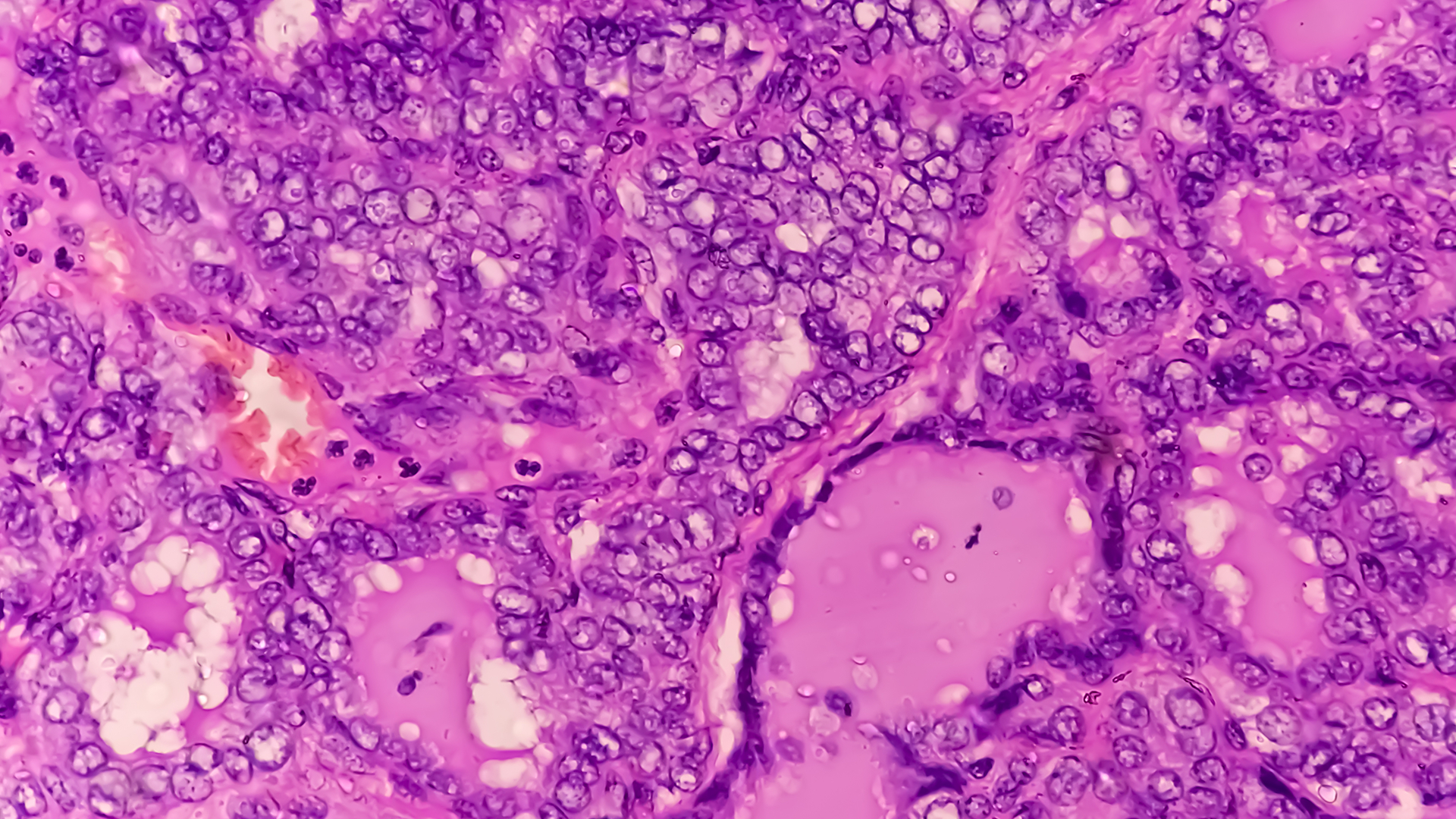
A pathologist identifies the subtype by examining tissue from a biopsy or operation.
Adenocarcinoma
Lung adenocarcinoma is the most common NSCLC subtype. It begins in gland-forming cells and often develops in the outer parts of the lung. It usually occurs in people who currently smoke or have previously smoked, though it can sometimes manifest in those who have never smoked.
Squamous Cell Carcinoma
Squamous cell lung carcinoma begins in flat cells lining the airways. It often develops near the larger central airways and has a strong association with tobacco exposure.
Large Cell Carcinoma
Large cell lung carcinoma is a more uncommon diagnosis. The cells lack the features needed to classify the tumour as adenocarcinoma, squamous cell carcinoma or a neuroendocrine cancer. This diagnosis of exclusion usually requires a well-sampled surgical specimen for definitive classification.
Less common NSCLC subtypes include adenosquamous carcinoma, sarcomatoid carcinoma and some salivary gland-type tumours of the lung. A small biopsy may sometimes be reported as ‘NSCLC, not otherwise specified’, or NSCLC-NOS, when there is not enough tissue to identify a more precise subtype. This usually necessitates further testing.
Non-Small Cell Lung Cancer Versus Small Cell Lung Cancer
NSCLC and SCLC both start in the lungs, but they differ in their cell features, usual behaviour, staging and treatment.
| Feature | NSCLC | SCLC |
| Frequency | About 80% to 85% of lung cancers | About 10% to 15% |
| Main subtypes | Adenocarcinoma, squamous cell carcinoma and large cell carcinoma | Small cell carcinoma and combined small cell carcinoma |
| General behaviour | Often grows and spreads more slowly, although this varies | Usually grows and spreads more quickly |
| Staging | Stage 0 to Stage IV using the TNM Staging System | Often grouped as limited-stage or extensive-stage, with TNM also used |
| Role of surgery | Commonly considered for operable early-stage NSCLC | Uncommon and generally limited to carefully staged, very early disease |
These are broad differences, and every case is different. Some cases of NSCLC can still behave aggressively.

Non-Small Cell Lung Cancer Symptoms
Early-stage NSCLC may not cause symptoms. It may first appear during lung cancer screenings or on scans performed for another reason. For patients who meet the relevant eligibility criteria, such as a history of smoking, lung cancer screening with a low-dose CT may detect lung cancer before any symptoms develop.
When symptoms do occur, they can resemble infections or other lung conditions.
Possible symptoms include:
- A cough that does not go away, or changes from its usual pattern
- Coughing up blood
- Shortness of breath or wheezing
- Chest pain or shoulder pain
- A hoarse voice
- Repeated or slow-to-resolve chest infections
- Unexplained weight loss or reduced appetite
- Persistent tiredness
- Difficulty swallowing
- Swelling of the face or neck
Symptoms of advanced NSCLC depend on where it has spread. Bone metastases may cause pain, while a spread to the brain may cause headaches, weakness, confusion or seizures. See the lung cancer symptoms and causes page for further details.
These symptoms do not necessarily mean lung cancer, but persistent or unexplained changes need medical assessment. Seek urgent care for severe breathlessness, coughing up more than a small amount of blood, a seizure, sudden weakness or new confusion.

Causes and Risk Factors
NSCLC develops when genetic changes accumulate within lung cells. It is often not possible to identify why cancer developed in a particular person.
Smoking is the main preventable risk factor. The risk rises with tobacco exposure and begins to fall after a person stops smoking. Secondhand smoke also increases risk.
Other factors associated with a higher risk of lung cancer include:
- Exposure to asbestos, radon and certain workplace substances
- Outdoor air pollution
- Previous radiation therapy to the chest
- A family history of lung cancer
- Lung conditions such as pulmonary fibrosis or chronic obstructive pulmonary disease
These risk factors can increase the chance of developing lung cancer, but many people with one or more risk factors never develop it.
NSCLC also occurs in people who have never smoked; adenocarcinoma is the subtype seen most often in never-smokers.
How Is NSCLC Diagnosed?
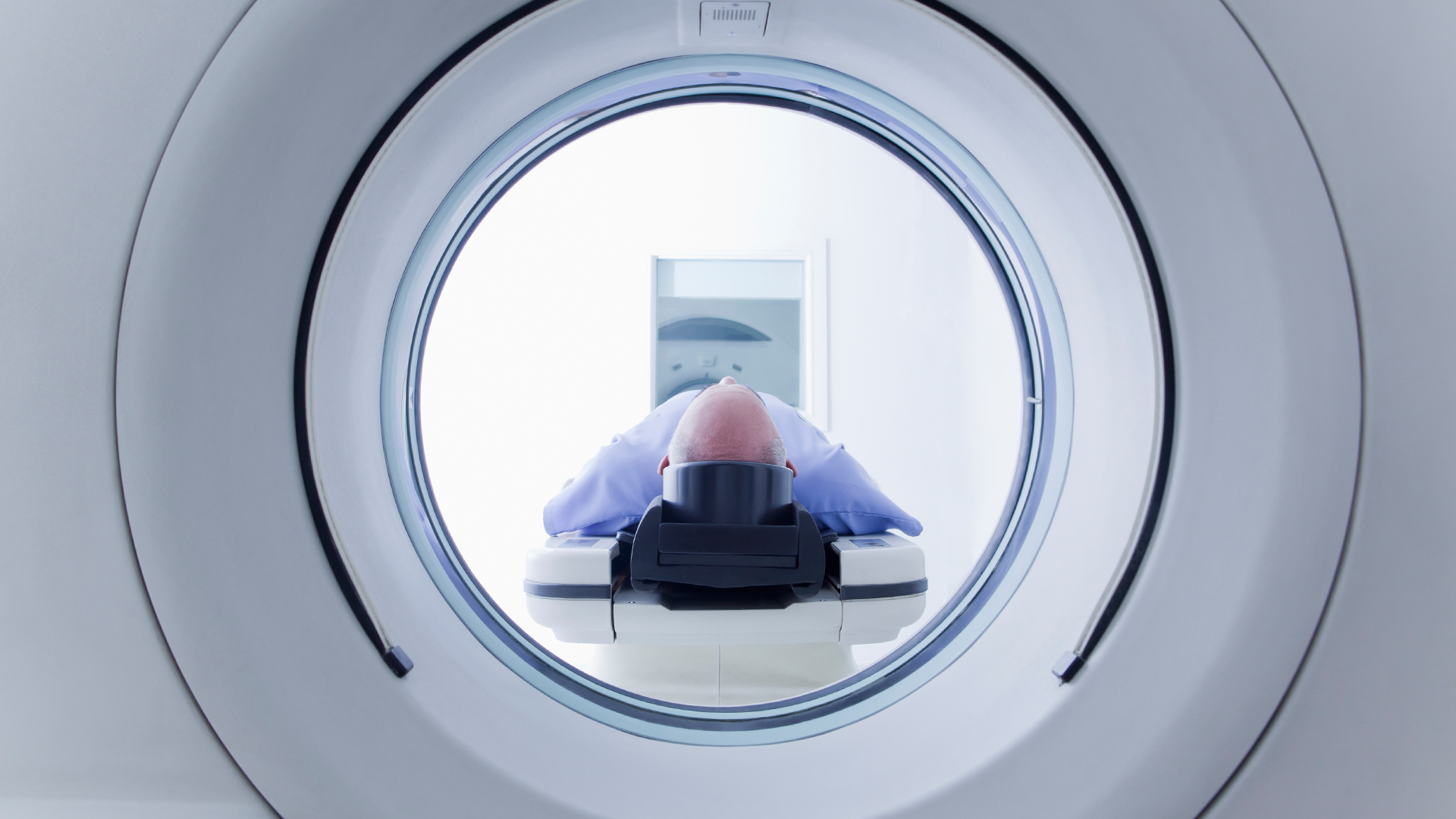
An NSCLC diagnosis usually begins with a review of symptoms, exposure history, other medical conditions and previous imaging. A chest X-ray may show an abnormal area, but a CT scan provides more detail about the primary tumour and nearby structures.
Further tests may include:
- PET-CT, which combines positron emission tomography with CT, to look for active areas in lymph nodes or other parts of the body
- MRI of the brain when the cancer’s stage or symptoms make this appropriate
- Bronchoscopy for a tumour within or near an airway
- Endobronchial ultrasound (EBUS) to sample lymph nodes in the centre of the chest
- CT-guided needle biopsy for selected lesions near the outside of the lung
- Surgical biopsy when less invasive methods cannot provide enough tissue
Imaging tests can suggest lung cancer, but they usually cannot confirm the cell type. A lung cancer biopsy provides tissue for diagnosis. The team selects a biopsy route that limits avoidable risk while preserving enough tissue for additional tests.
Before surgery, lung function tests help estimate how well the lungs may work after a resection. Blood tests, heart assessment or exercise testing may also be required.
Pathology, Biomarker and PD-L1 Testing
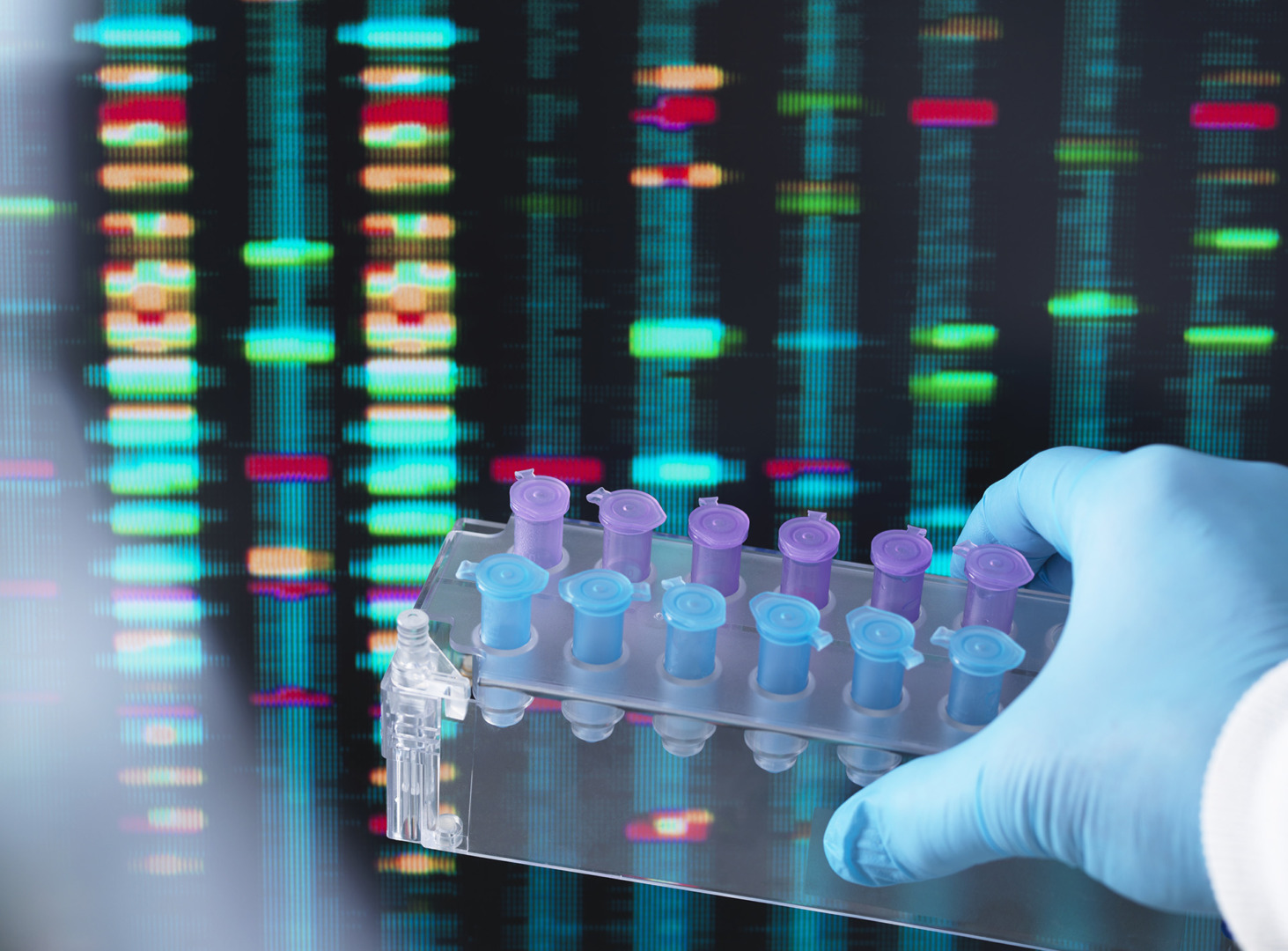
The pathology report confirms whether the tumour is NSCLC and, when possible, identifies its subtype and grade.
Molecular testing looks for changes within cancer cells that may be targeted with particular medicines. Targeted therapy may attack specific cancer cells while limiting effects on normal cells, although healthy tissue can still be affected.
PD-L1 testing is different from molecular testing. It measures the amount of a protein on tumour cells or nearby immune cells and can help guide the use of certain immunotherapies. Immune checkpoint inhibitors, such as anti-PD-1 and anti-PD-L1 antibodies, block signals that cancer cells use to weaken the immune system. Higher PD-L1 expression may increase the likelihood of benefit but does not guarantee a response. PD-L1 is not a gene mutation.
Testing usually uses tumour tissue. A liquid biopsy may detect cancer DNA in a blood sample. A negative result does not always rule out a molecular alteration, so tissue testing may still be needed.
NSCLC biomarker testing results do not replace the pathological diagnosis. For example, an EGFR-positive adenocarcinoma remains adenocarcinoma.
Stages of Non-Small Cell Lung Cancer
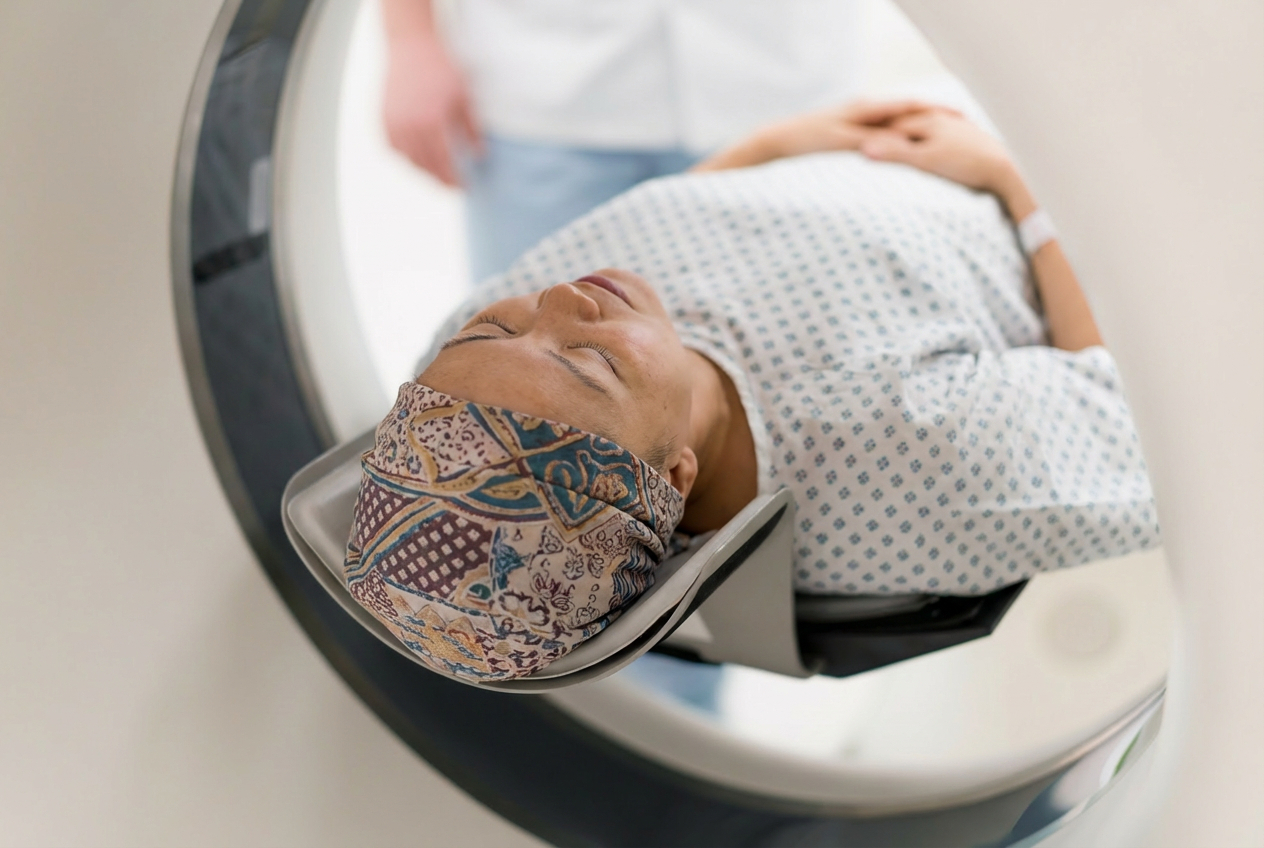
NSCLC is staged from Stage 0 to Stage IV. The TNM Staging System considers the primary tumour, regional lymph nodes and distant metastatic disease.
| Stage | General extent of NSCLC |
| Stage 0 | Abnormal cells remain within the lung lining where they began and have not invaded deeper tissue |
| Stage I | Cancer remains within the lung without lymph-node or distant spread |
| Stage II | The tumour may be larger, involve certain nearby structures or reach particular nearby lymph nodes |
| Stage III | Cancer has spread further within the chest, including certain central lymph nodes or nearby structures, but there is no distant metastasis |
| Stage IV | Cancer involves the opposite lung, pleura or pericardium, or has spread outside the chest |
The precise stage depends on the tumour, node and metastasis findings. The lung cancer stages page explains the TNM Staging System in greater detail.
NSCLC Treatment by Stage
NSCLC treatment depends on the stage, subtype, tumour location, lymph-node findings and biomarkers. The cancer care team also considers whether the tumour can be removed completely, overall lung and heart function, other health conditions and the person’s treatment goals.
For lung cancer patients, treatment options may involve surgery, chemotherapy, radiation therapy, targeted therapy or immunotherapy. These treatments may be used alone, in sequence or in combination.
Stage 0 and Stage I
Local treatment may be used with the aim of removing or destroying the cancer. Surgery with lymph-node assessment is commonly considered for operable Stage I NSCLC. Selected Stage 0 lesions may be treated with limited surgery or a bronchoscopic procedure. Stereotactic body radiation therapy may be considered when surgical resection is not appropriate. For people who cannot have surgery, radiofrequency ablation or cryoablation may be options for selected small peripheral tumours.
Adjuvant treatment after surgery is not required for every Stage I cancer. The decision depends on tumour size, pathological features, margins and biomarkers.
Stage II
Surgery may form part of the treatment when the cancer is resectable, and the person is medically fit. Neoadjuvant chemotherapy or immunotherapy may be given before surgery to shrink the cancer. Adjuvant chemotherapy, immunotherapy or eligible targeted therapy may also be considered after surgical resection in selected cases. Radiation therapy may be used when surgery is unsuitable. Postoperative radiation therapy may be considered for particular findings after an operation.
Stage III
Stage III NSCLC includes a wide range of cancers. Selected resectable cases may receive systemic therapy, with or without radiation therapy, before surgery. Unresectable disease is often treated with chemotherapy combined with radiation therapy, either concurrently or sequentially, followed by further systemic treatment when appropriate.
Stage IV or Recurrent NSCLC
Systemic treatment forms the basis of care for most metastatic or recurrent NSCLC. Molecular results, PD-L1 expression and subtype help guide targeted therapy, immunotherapy or platinum-based chemotherapy.
Radiation treatment or other local treatments may control symptoms or treat selected sites. Surgery is usually not the main treatment for Stage IV NSCLC, although it may play a role in carefully selected cases with limited spread after multidisciplinary review. Clinical trials may give some patients access to new treatments.
The lung cancer diagnosis and treatment page explains how a treatment plan is selected and outlines possible side effects.

Surgery for Non-Small Cell Lung Cancer
Surgical resection is most often considered for early-stage lung cancer, including Stage I and Stage II NSCLC, and selected Stage III cancers. Resectability describes whether the cancer can be removed completely.
The operation may be:
- Lobectomy, which removes one lung lobe
- Segmentectomy, which removes one or more anatomical lung segments
- Wedge resection, which removes a small non-anatomical section of lung
- Sleeve resection, which removes an involved section of airway and reconnects the remaining airway
- Pneumonectomy, which removes one entire lung in selected cases
Lung resection usually includes lymph-node sampling or dissection. The final pathology report can reveal findings not visible on scans and may change the stage or need for further adjuvant treatment.
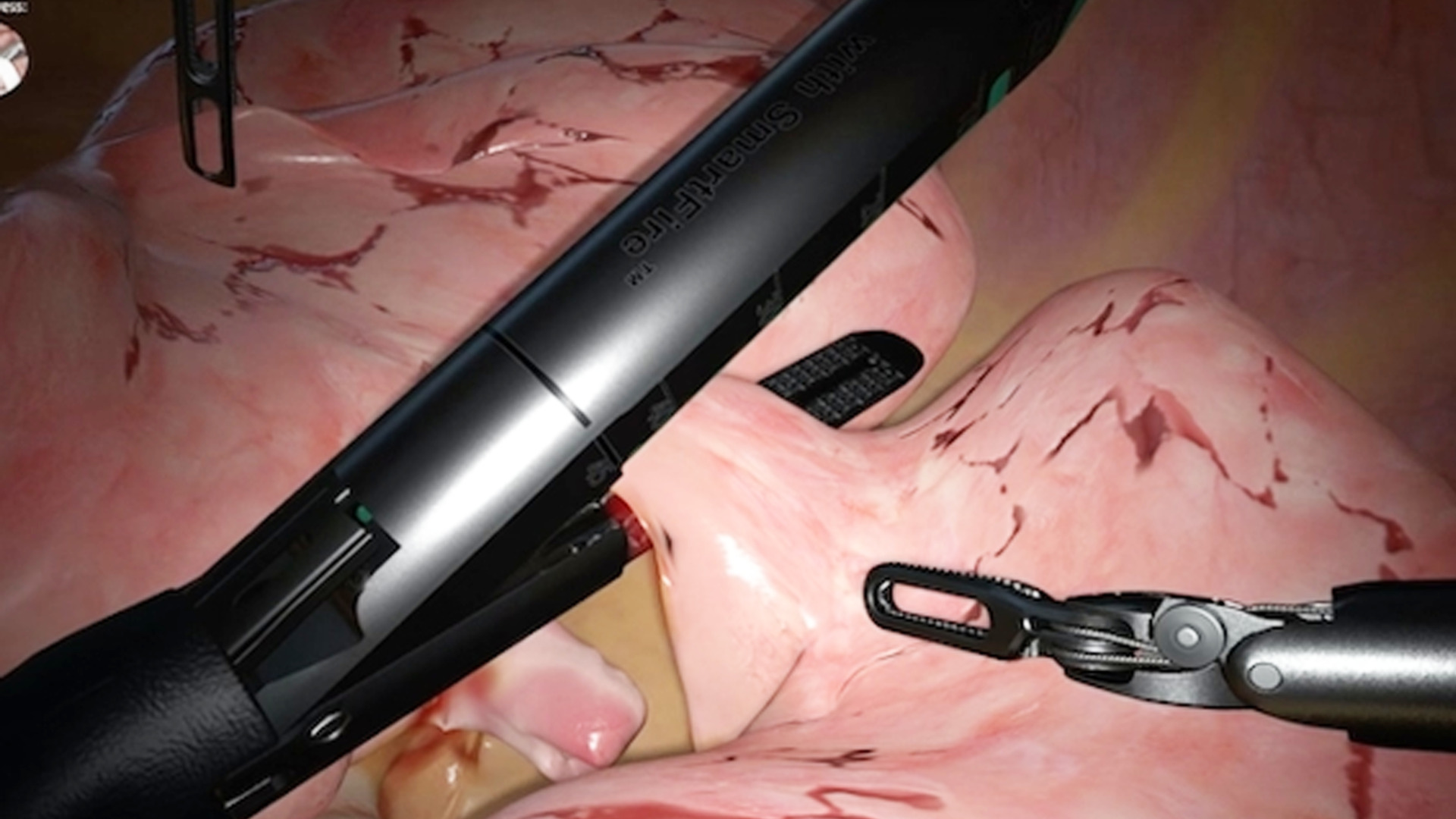
Some operations use Video-Assisted Thoracoscopic Surgery (VATS), Uniportal VATS or Robotic-Assisted Thoracic Surgery. For suitable operations, these small-incision approaches may involve less pain, a shorter hospital stay and faster recovery than thoracotomy. While these advanced procedures offer benefits, results can vary, and they are not appropriate for every tumour.
The priority is a safe operation that permits appropriate tumour removal and lymph-node assessment. The lung cancer surgery page covers procedures, risks and recovery in detail.
Advanced and Metastatic Non-Small Cell Lung Cancer
Metastatic NSCLC is advanced cancer that has spread beyond its original site, often to the brain, bones, liver or adrenal glands. Treatment may aim to control the cancer, reduce symptoms and maintain quality of life.
Some biomarker-defined cancers can receive targeted therapy directed at a molecular alteration. Other cases may receive immunotherapy, chemotherapy, or both.
Supportive and palliative care can continue alongside cancer treatment to manage symptoms, side effects, and overall quality of life. Palliative treatment does not mean active cancer treatment has stopped. Early palliative care can improve quality of life and mood, reduce aggressive end-of-life care and is associated with longer median survival. Individual outcomes vary.
Non-Small Cell Lung Cancer Prognosis and Follow-Up
The outlook for NSCLC varies considerably. Important factors include the stage at diagnosis, subtype, molecular features, whether the cancer can be removed completely, response to treatment and overall health.
Some patients with early-stage NSCLC can be treated with curative intent. A more advanced disease is harder to cure, but treatment may control it and relieve symptoms. A poor prognosis is more likely when the cancer has spread widely, cannot be controlled with the available treatments, or occurs alongside serious health problems.
Do report new or worsening symptoms rather than waiting for the next appointment. Stopping smoking may reduce treatment complications and the risk of another tobacco-related cancer. Rehabilitation, nutrition care and psychological support may also help recovery.

Thoracic Surgical Assessment at Neumark
Neumark Lung & Chest Surgery Centre specialises in minimally invasive thoracic surgery with a multidisciplinary approach led by Dr Harish Mithiran, senior consultant thoracic surgeon at Gleneagles and Mount Alvernia hospitals.
A thoracic surgical assessment for NSCLC may include review of CT and PET-CT imaging, biopsy and biomarker results, lymph-node findings, lung function and the amount of lung that may need removal. When other treatments are required, care may be coordinated with respiratory medicine, medical oncology, radiation oncology, clinical oncology, radiology and pathology.
If you have been diagnosed with NSCLC, contact Neumark to find out whether a thoracic surgical assessment is appropriate.