
Small cell lung cancer (SCLC), also called small cell lung carcinoma, is a high-grade neuroendocrine cancer that usually starts near the large airways in the centre of the chest. It accounts for about 10% to 15% of all lung cancer cases. Small cell lung cancer often grows and spreads earlier than non-small cell lung cancer (NSCLC), so the diagnosis, staging and treatment planning should proceed promptly.
Most cases of SCLC have a strong link to tobacco smoking, yet it can also occur in a person who has never smoked, but this is uncommon.
Small cell carcinoma begins when DNA changes cause cancer cells to grow. These cancer cells may form a lung tumour, invade lung tissue and spread. Healthy cells follow growth controls; normal cells stop growing, but cancer cells may not. Cancer cells can enter the blood or lymph, causing the cancer to metastasise, and since SCLC cells divide quickly, this is an aggressive form of cancer.
| Feature | Small cell lung cancer |
| Cancer group | High-grade neuroendocrine carcinoma of the lung |
| Approximate proportion | About 10% to 15% of lung cancers |
| Usual location | Often near the large central airways |
| General behaviour | Usually grows quickly and may spread early |
| Main staging terms | Limited-stage and extensive-stage, with TNM staging (tumour-node-metastasis) also recorded |
| Main treatments | Chemotherapy, radiotherapy and immunotherapy; surgery in uncommon, very early cases |
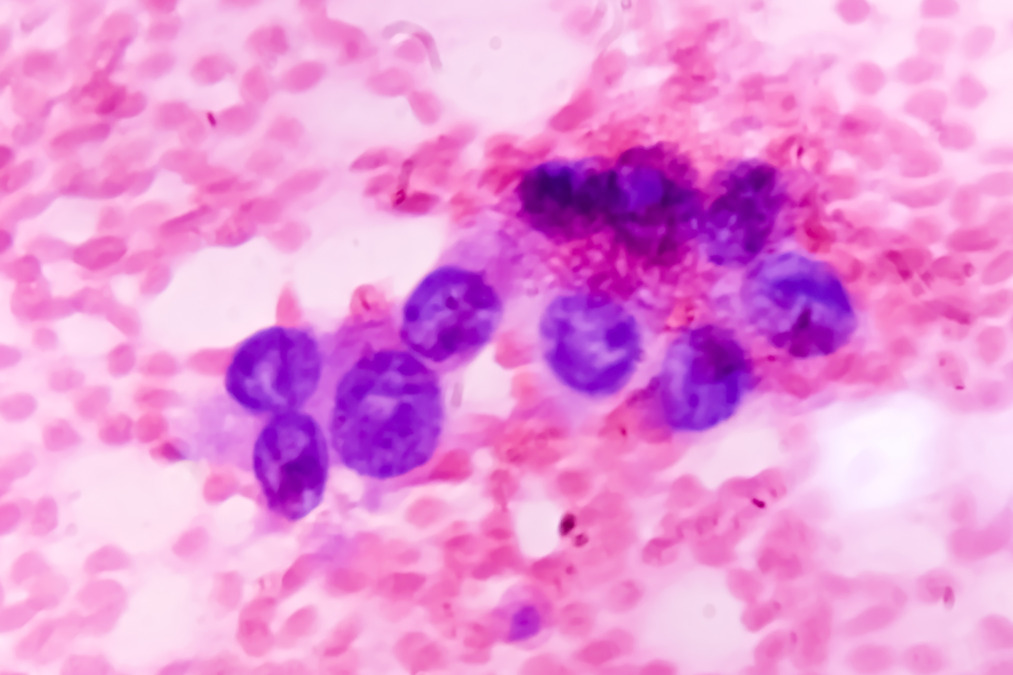
Small Cell Versus Non-Small Cell Lung Cancer
The two main types of lung cancer are small cell lung cancer and non-small cell lung cancer. SCLC is less common but generally grows and spreads more quickly. NSCLC accounts for about 80% to 85% of lung cancers and includes adenocarcinoma, squamous cell lung carcinoma, and large cell carcinoma.
SCLC is commonly grouped as limited-stage or extensive-stage. NSCLC is usually described using TNM stage groups from Stage 0 to Stage IV, although TNM classifications can also be used for SCLC.
Small cell carcinoma is sometimes called oat cell carcinoma because the cancer cells may look like oats under a microscope. Combined small cell lung carcinoma contains small cell lung cancer together with an area of NSCLC. However, this is a separate pathological diagnosis.
Symptoms of Small Cell Lung Cancer
Small cell lung cancer may not cause symptoms at first. Symptoms can appear once a central lung tumour narrows an airway, affects nearby structures or spreads beyond the lung.
Common symptoms or early signs of small cell lung cancer include:
- A persistent or worsening cough
- Shortness of breath or wheezing
- Chest pain or discomfort
- Coughing up blood or blood-stained mucus
- Hoarseness or difficulty swallowing
- Repeated chest infections
- Fatigue, reduced appetite or an unexplained weight loss
- Swelling of the face or neck, or prominent veins in the neck
Cancer spreading beyond the chest may cause headaches, weakness, confusion, seizures, persistent bone pain, upper abdominal discomfort or, less commonly, jaundice.
These symptoms have many possible causes and do not confirm cancer. However, persistent, worsening or unexplained symptoms need medical assessment. The lung cancer symptoms and causes page explains general warning signs in more detail.
Seek urgent medical care for coughed-up blood, severe or rapidly worsening breathlessness, fainting, new weakness, confusion or a seizure.

Small Cell Lung Cancer and Paraneoplastic Syndromes
A small cell lung cancer paraneoplastic syndrome happens when a cancer releases hormone-like substances, or triggers an immune response that affects another part of the body.
SCLC has recognised paraneoplastic syndrome associations with:
- Syndrome of inappropriate antidiuretic hormone secretion, or SIADH. This can lower blood sodium and cause nausea, headache, weakness, confusion, or seizures.
- Ectopic Cushing syndrome. Some tumours release adrenocorticotropic hormone, which raises cortisol levels. Possible effects include muscle weakness, high blood pressure, high blood sugar and low potassium.
- Lambert-Eaton myasthenic syndrome. This immune-mediated condition can cause weakness, especially in the hips and thighs, as well as dry mouth and reduced reflexes.
Not everyone with SCLC develops a paraneoplastic syndrome. Similar symptoms can have other causes, including treatment side effects or another medical condition.
Small Cell Lung Cancer Causes and Risk Factors
Tobacco smoking is the main cause of small cell lung cancer. Worldwide, smoking causes about 85% of all lung cancers and has an especially strong association with SCLC. Cancer-causing chemicals in tobacco smoke can damage the DNA in lung cells. The risk rises with the number of cigarettes smoked, the number of years a person has smoked, and the age at which smoking began.
Small cell lung cancer and smoking are connected, but there are other recognised lung cancer risk factors such as secondhand smoke, radon, asbestos, arsenic, other workplace carcinogens and outdoor air pollution. Other risk factors include an older age and family history. A small number of people with SCLC have never smoked.
Stopping smoking lowers the future risk of lung cancer. It also remains worthwhile after a cancer diagnosis because it may improve general health, treatment tolerance and outcomes. A healthcare professional can recommend counselling, medicines and a stop-smoking programme. Singapore residents can also use HealthHub’s I Quit Programme.

How Small Cell Lung Cancer Is Diagnosed
Diagnosis must confirm the cancer type and determine how far it has spread. Clinicians use imaging and tissue tests to diagnose lung cancer. Imaging tests alone cannot establish SCLC.
Imaging and Small Cell Lung Cancer Radiology
A chest X-ray may show a central mass, enlarged lymph nodes, lung collapse or pneumonia behind a blocked airway. A normal X-ray does not rule out lung cancer, and an abnormal X-ray cannot identify the cancer type. When lung cancer is diagnosed, further tests establish the cancer stage. An X-ray alone cannot distinguish the cancer type.
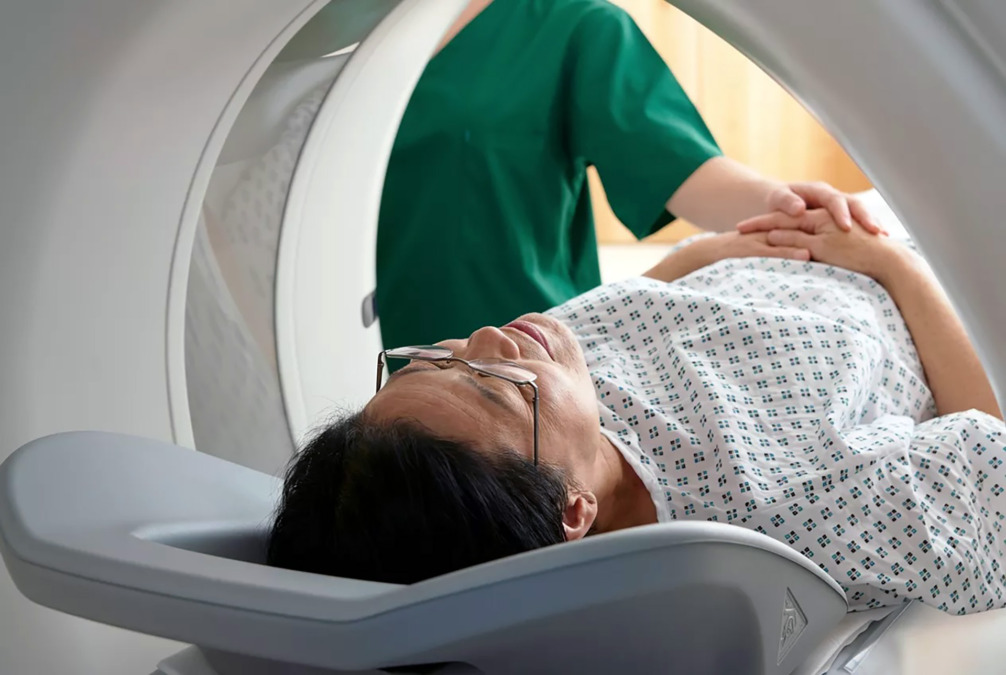
A contrast-enhanced CT scan provides more detail about the primary tumour, airways, lymph nodes, and nearby structures. A PET-CT scan may help identify whether the cancer has spread beyond the primary tumour. Brain magnetic resonance imaging (MRI) is important because SCLC tends to spread to the brain. Blood tests may include a complete blood count, kidney tests and liver tests. The imaging plan depends on the symptoms, initial findings and the proposed small cell lung cancer treatment.
Lung Biopsy and Small Cell Lung Cancer Histology
A lung biopsy is required to confirm small cell lung cancer. Because many lung tumours are central, a bronchoscopy may allow the doctor to see and sample the abnormal area. An endobronchial ultrasound, or EBUS, can sample lymph nodes in the centre of the chest. A CT-guided needle biopsy may suit a more peripheral tumour.
Under a microscope, small cell lung carcinoma usually consists of small, poorly differentiated cancer cells with little cytoplasm, finely granular chromatin, nuclear moulding and a high rate of cell division. Nuclear moulding means that adjacent nuclei press against one another and take on matching shapes.
Immunohistochemistry uses laboratory stains to detect proteins in tumour cells. The results help classify the cancer cells and distinguish small cell neuroendocrine tumours from NSCLC, large cell neuroendocrine carcinoma, lymphoma and other cancers.
Molecular tests may be used to study tumour DNA in a clinical trial. Targeted therapies do not yet have the same routine role in SCLC as in some types of NSCLC.

Small Cell Lung Cancer Stages
Clinicians describe SCLC in two complementary ways.
- Limited-stage SCLC can be included safely within a practical chest radiation therapy field. Limited-stage small cell lung cancer disease is generally confined to one side of the chest, although certain nearby lymph nodes may be included.
- Extensive stage SCLC extends beyond that area or has spread to distant organs. About two-thirds of people have extensive stage disease or metastatic small cell lung cancer disease when diagnosed.
The current TNM system also records the primary tumour, regional lymph nodes and distant metastases. It is useful when assessing the uncommon person who may be eligible for surgery, as well as for cancer research and cancer registries.
Stage 4 small cell lung cancer usually represents extensive-stage disease because it includes distant spread. However, the two systems are not exact synonyms. Cancer confined to the chest may still be an extensive stage if it cannot be treated safely within one radiation therapy field. Cancer stage guides treatment options before treatment begins. The lung cancer stages page explains both systems in more detail.
Small Cell Lung Cancer Treatment
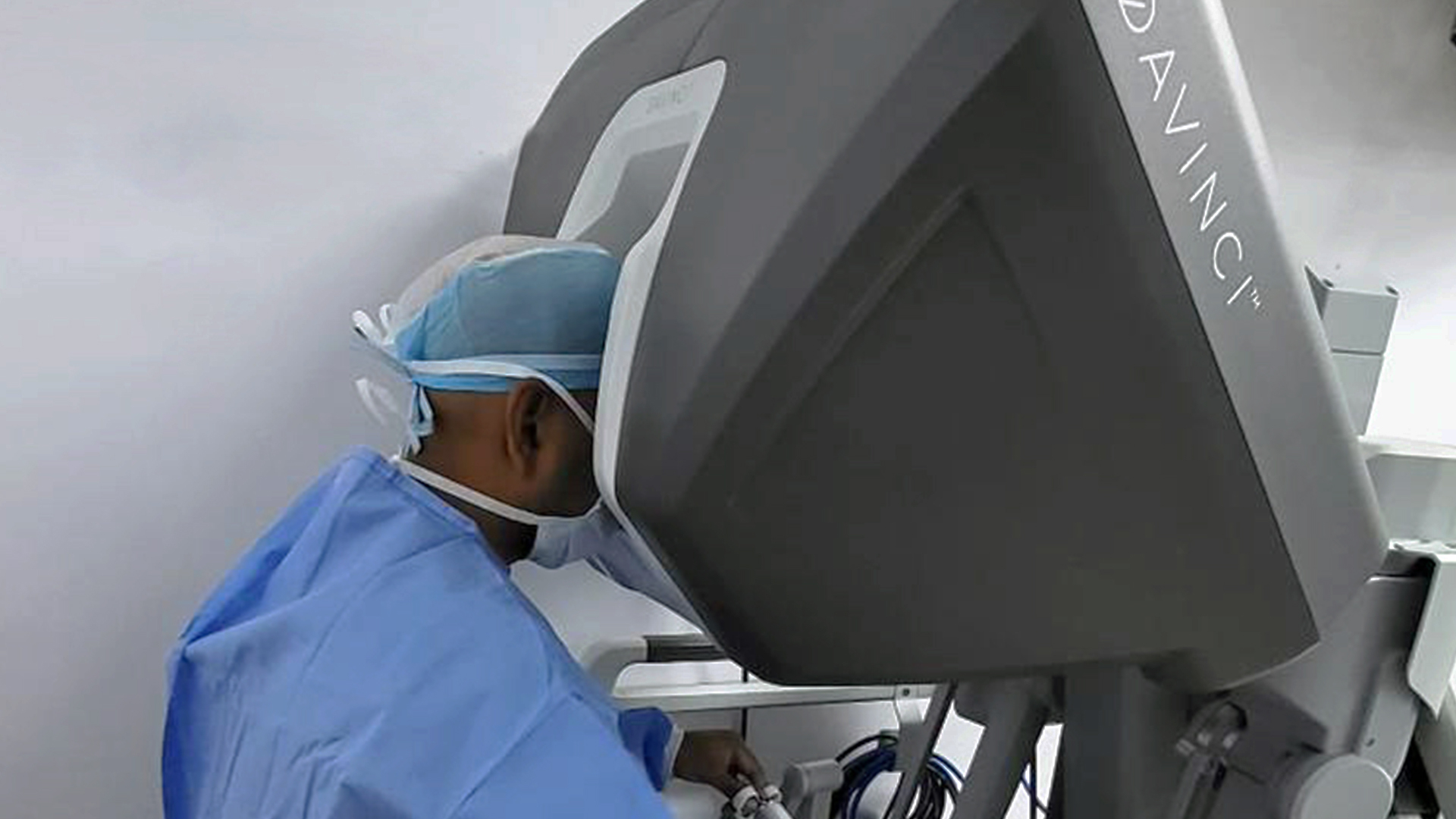
Small cell lung cancer treatment depends on the cancer stage, tumour location, lung function, other health conditions and the person’s preferences. The lung cancer treatment plan may include chemotherapy, radiation therapy, surgery or immunotherapy for small cell lung cancer. Chemotherapy can kill cancer cells throughout the body, while radiation therapy uses high-energy beams to kill cancer cells in a specific area. Most people with SCLC receive chemotherapy, but no single plan suits everyone.
Very Early Small Cell Lung Cancer
Surgery has a limited role with SCLC because this cancer often spreads before diagnosis. It may be considered when early-stage lung cancer appears confined to the lung, and thorough staging shows no lymph-node or distant spread. Brain imaging and invasive mediastinal lymph-node staging are generally needed before an operation.
When surgery is appropriate, a lobectomy with systematic lymph-node assessment is commonly considered. A lobectomy removes one lobe, not the entire lung. Chemotherapy is usually recommended afterwards. The lung cancer surgery page explains surgical assessment and procedures in more detail.
Limited-Stage Small Cell Lung Cancer
Limited-stage SCLC treatment commonly uses platinum-based combination chemotherapy with etoposide and thoracic radiation therapy. Patients who are healthy enough can be deemed ready to receive radiation therapy during the same period as chemotherapy. Immunotherapy may follow chemoradiotherapy in selected patients whose limited-stage cancer has not progressed. Clinical trials continue to study treatment options for limited-stage disease.
This cancer treatment may have curative intent, but SCLC can return after an initial response.
Extensive-Stage Small Cell Lung Cancer
First-line treatment for extensive-stage SCLC commonly combines platinum-based combination chemotherapy and etoposide with immunotherapy when suitable. Radiation therapy may relieve symptoms from more advanced cancer in the brain, bone, chest or another area. Selected people who respond may also receive chest radiation therapy.
When extensive-stage disease has spread to distant organs, it is metastatic lung cancer. If SCLC returns, treatment options may include another systemic therapy, radiation therapy, supportive care or a clinical trial. The plan depends on when and where the cancer recurs, any previous lung cancer treatments and the general health of the patient.
Prophylactic Cranial Irradiation
Prophylactic cranial irradiation (PCI) is radiation therapy applied to the brain given to reduce the risk of future brain metastases. It is not automatically the treatment for every patient but may be discussed after a good response to initial treatment.
The decision to use preventive brain radiation considers the stage, response, age, general health, and the therapy’s potential effects. In some situations, regular brain MRI surveillance may be an alternative.

Prognosis and Follow-Up
SCLC often responds to its first cancer treatment, but it also has a high risk of cancer recurrence. The outlook depends most strongly on whether the cancer is at a limited or extensive stage. Treatment response, general fitness, weight and nutritional status, sodium levels, and whether the cancer returns also matter.
No single small cell lung cancer life expectancy can predict an individual’s outcome. Survival figures vary by the stage, population and treatment era. Some patients with limited-stage disease achieve long-term remission. Extensive-stage disease is less often curable, but the treatment can control the cancer, relieve symptoms and help some people live longer. A clinical trial may be considered if standard options no longer work and is appropriate for the patient.
Follow-ups may include clinical reviews, chest CT and brain MRI scans. Report new or worsening breathlessness, coughing up blood, headaches, weakness, seizures, bone pains, or an unexplained weight loss rather than waiting until the next planned doctor’s visit.

Thoracic Surgical Assessment at Neumark
SCLC care usually requires medical oncology and radiation oncology. A thoracic surgeon may contribute to tissue diagnosis, invasive lymph-node staging and assessment of uncommon, very early disease that may be suitable for an operation. The oncology team may also discuss referral to a clinical trial.
Neumark Lung & Chest Surgery Centre specialises in minimally invasive thoracic surgery with a multidisciplinary approach led by Dr Harish Mithiran, senior consultant thoracic surgeon at Gleneagles and Mount Alvernia hospitals.
An assessment may include a review of CT, PET-CT and brain imaging, pathology, lymph-node findings, lung function and general fitness. Care may be coordinated with respiratory physicians, medical oncologists, radiation oncologists, radiologists and pathologists.
Patients can contact Neumark to discuss whether thoracic surgical assessment is appropriate for them.
FAQs about Small Cell Lung Cancer
Can a Non-Smoker Develop Small Cell Lung Cancer?
Yes, but it is uncommon. Small cell lung cancer in non-smokers can occur, but the diagnosis depends on biopsy findings, not smoking history.
Is Small Cell Lung Cancer Hereditary?
SCLC usually does not follow a simple inherited pattern. Most genetic changes develop during a person’s lifetime and are present only in the tumour. Family history can affect overall lung cancer risk but cannot predict SCLC.
Can a Chest X-Ray Show Small Cell Lung Cancer?
A chest X-ray can show an abnormal mass or a complication such as a lung collapse or pneumonia. However, it may miss cancer. CT scans provide more detail, and only a biopsy can confirm SCLC.
How Fast Does Small Cell Lung Cancer Spread?
SCLC generally grows and spreads faster than NSCLC, but no reliable timetable applies to everyone. Diagnosis and staging usually proceed without avoidable delay.
Can Small Cell Lung Cancer Be Cured?
Some limited-stage cancers can be treated with curative intent. Surgery may form part of treatment for a very small, node-negative tumour, while most limited-stage disease is treated with chemoradiotherapy. Extensive-stage small cell lung cancer is usually treated to control the cancer and relieve symptoms rather than to cure it.