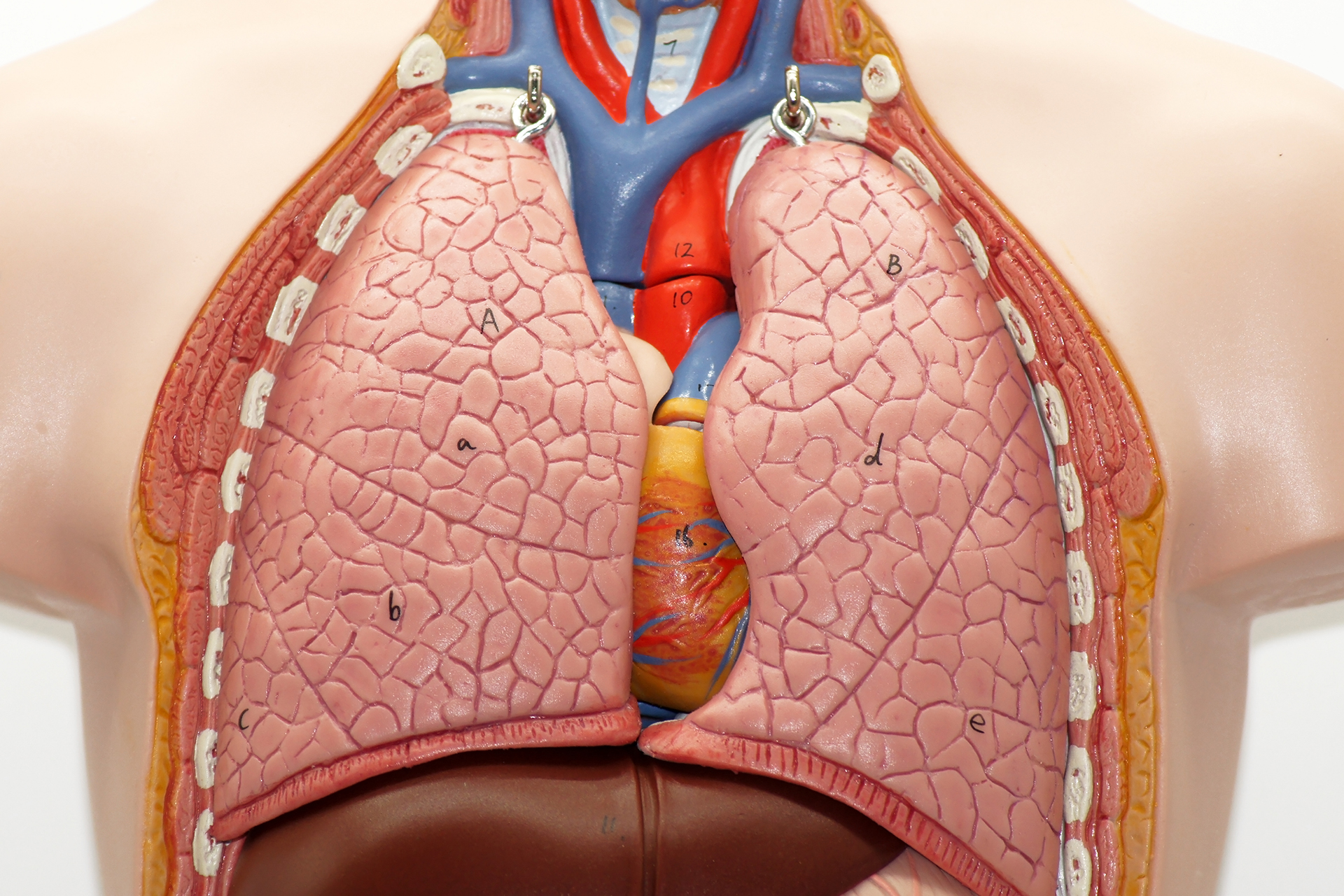
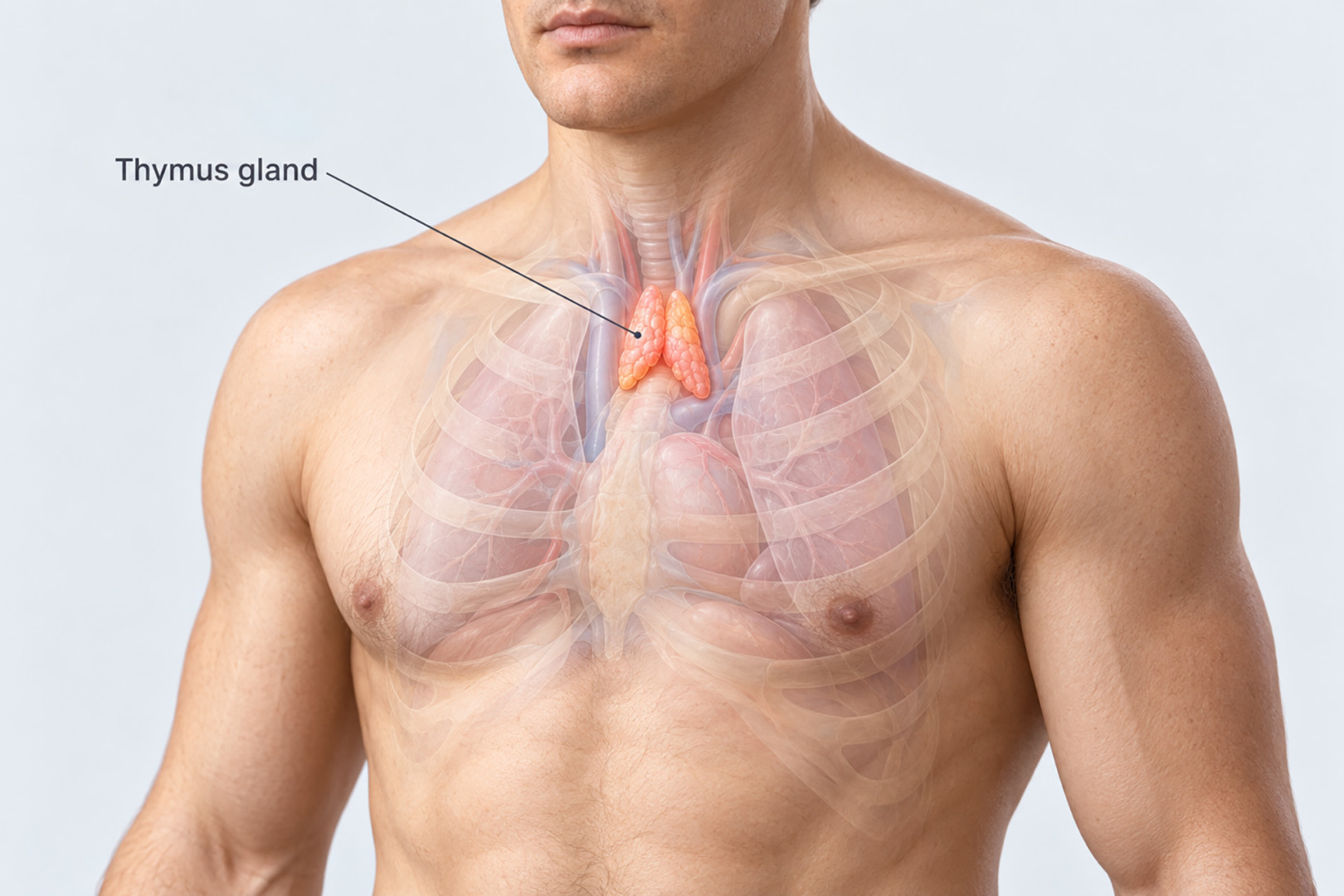
The thymus gland helps T-cells mature and supports immune system development during childhood. After puberty, the gland gradually shrinks and much of its tissue is replaced by fat. The adult thymus gland is less active, but some immune system function persists. Sometimes, the thymus can develop thymomas or fail to function properly, causing myasthenia gravis.
Surgery is the main treatment for an early-stage thymoma that appears to be completely removable. The thymectomy procedure aims to remove the thymus gland with the thymoma and nearby fatty tissue. Complete resection may be curative and is associated with long-term control, but recurrence remains possible. Follow-up imaging is important.
Thymic carcinoma usually behaves more aggressively than thymoma. Thymectomy may be part of treatment when the cancer is localised and removable. In some cases, advanced cancer may need chemotherapy or radiation therapy before, after or instead of surgery. Selected thymic neuroendocrine tumours and other thymic masses may require surgical removal.
Myasthenia gravis is an autoimmune neuromuscular disorder that causes fluctuating muscle weakness. When a thymoma is present with myasthenia gravis, thymectomy surgery is generally considered to treat the thymoma. Removing the thymus may also improve myasthenia gravis symptoms over time, but thymectomy does not reliably stop symptoms or remove the need for medication. There are clear myasthenia gravis thymectomy guidelines that your specialist will go through with you.
A myasthenia gravis thymectomy may also be considered when no thymoma is present. Current international guidance supports early discussion for adults aged 18 to 50 with generalised, acetylcholine receptor antibody-positive nonthymomatous myasthenia gravis. The main clinical trial included adults up to age 65, so age is only one part of the preoperative evaluation.
In these cases, treatment of myasthenia gravis before thymectomy will be attempted, rather than going straight to surgery. Thymectomy is more likely to be discussed when myasthenia gravis symptoms are difficult to control, immunotherapy causes unacceptable effects, or reducing long-term steroid exposure is an important goal. Evidence is limited for purely ocular myasthenia gravis, and current guidance does not support thymectomy for MuSK, LRP4 or agrin antibody-positive disease without a thymoma.
The timing of thymectomy in myasthenia gravis matters. Thymectomy surgery is elective and is usually planned when symptoms are stable. This surgery is not performed to treat an active myasthenic crisis.
A thymic cyst may be removed if it causes symptoms, enlarges, or has uncertain imaging features. A simple, asymptomatic cyst may only need monitoring. Hyperplasia of the thymus can occur in patients with myasthenia gravis, but thymus gland size alone does not determine whether thymectomy surgery is needed.
Thymectomy surgery is not a general treatment for autoimmune disease. Thymectomy for multiple sclerosis is not standard and is not usually part of MS treatment. Lymphoma and germ cell tumours in the anterior mediastinum usually need tissue diagnosis and non-surgical treatment rather than routine thymectomy.
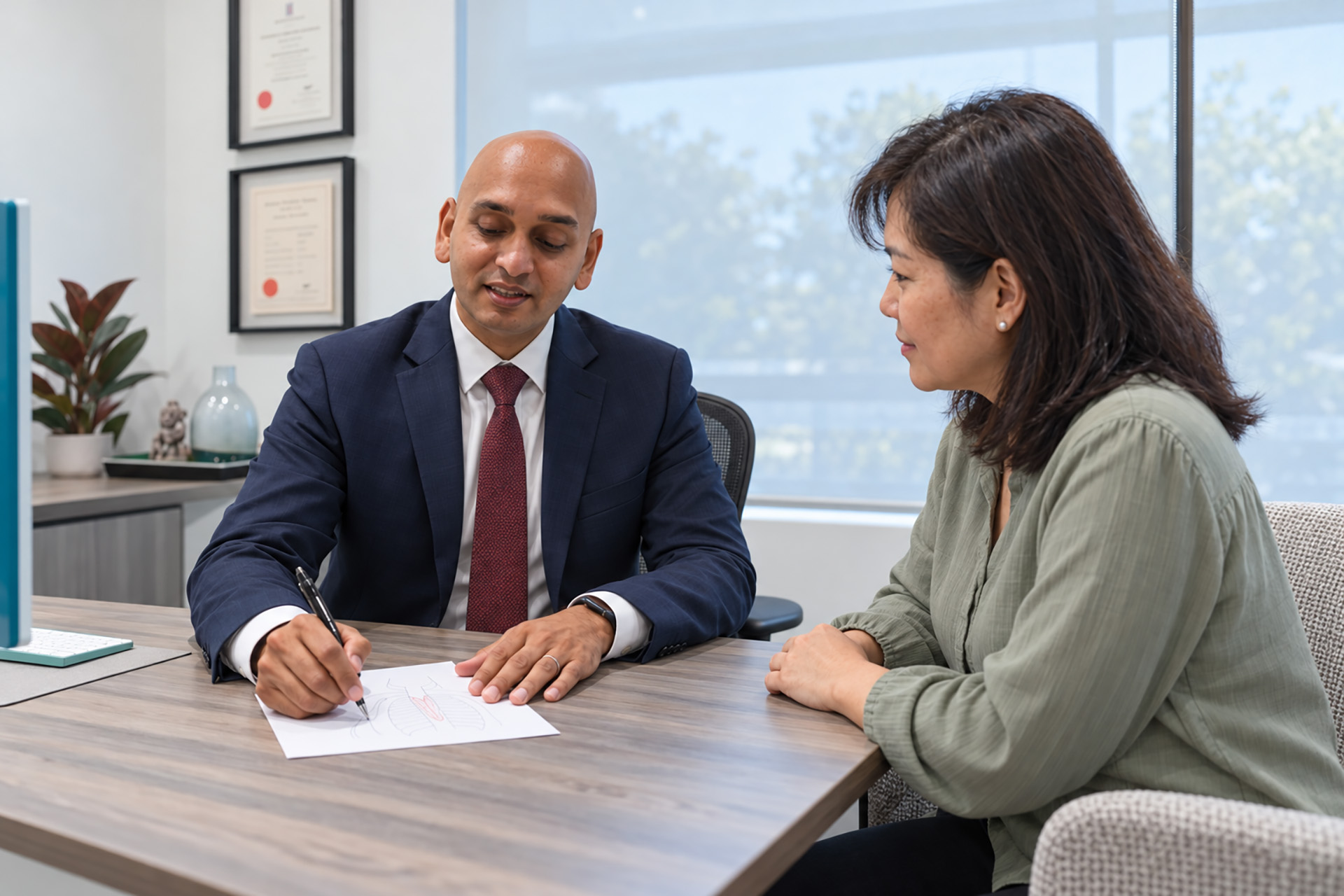
Your surgeon, neurologist and anaesthetist will review your medicines before thymectomy surgery. You may need to stop taking certain medications, including blood thinners or supplements, to ensure a safer surgical process. Do not stop taking prescribed medicine unless your care team tells you to. Your physician will explain which medications to stop and when, and how.
Patients with myasthenia gravis are generally advised to continue regular anticholinesterase treatment through the perioperative period, but the treating team must determine the individual medication plan. Some patients with significant weakness may need intravenous immunoglobulin or plasma exchange before surgery.
Follow the hospital’s fasting instructions. Some hospitals advise no food or drink after midnight, while others allow clear liquids closer to the procedure. The plan depends on surgery timing, anaesthesia guidance, and your overall health.
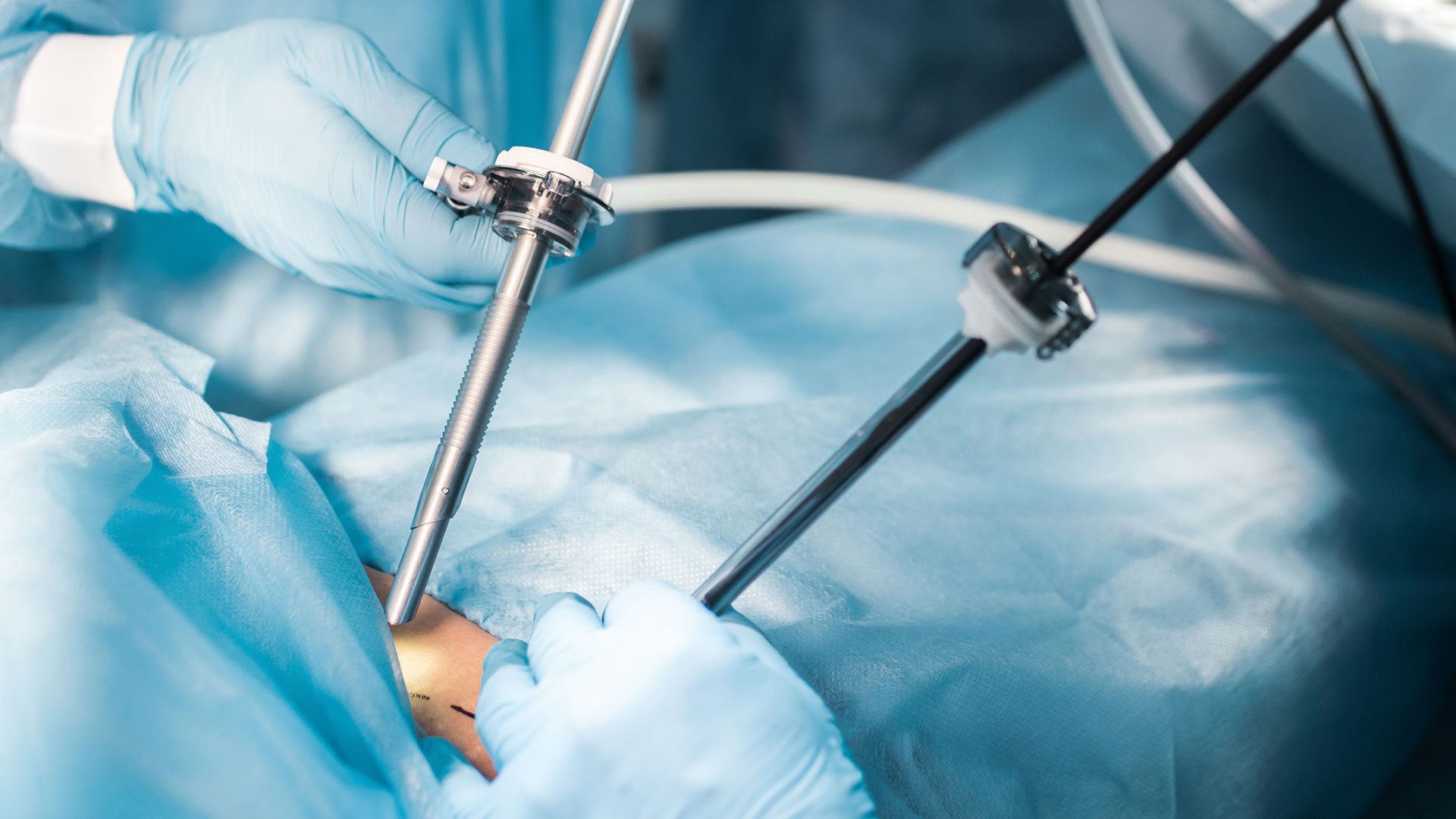
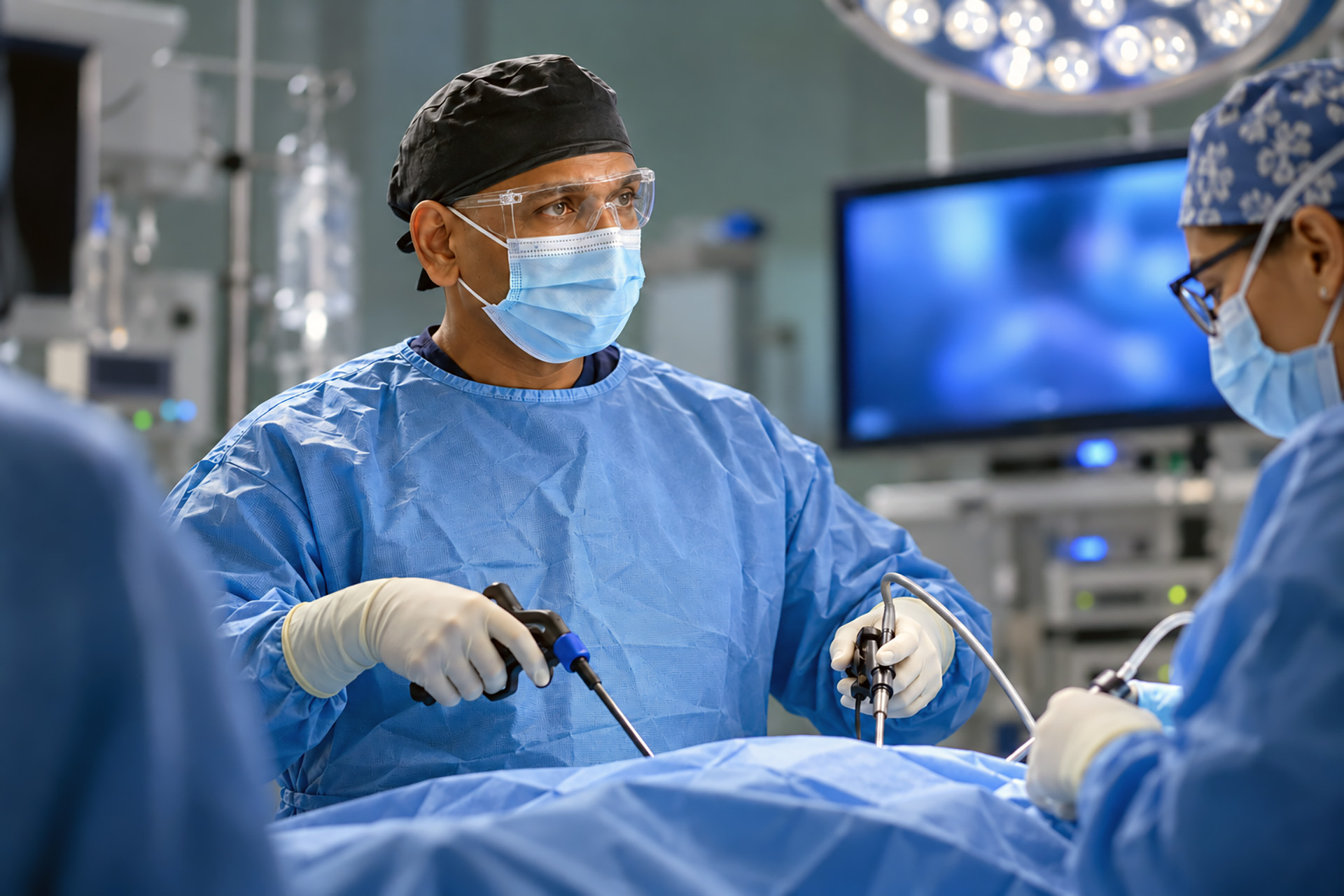
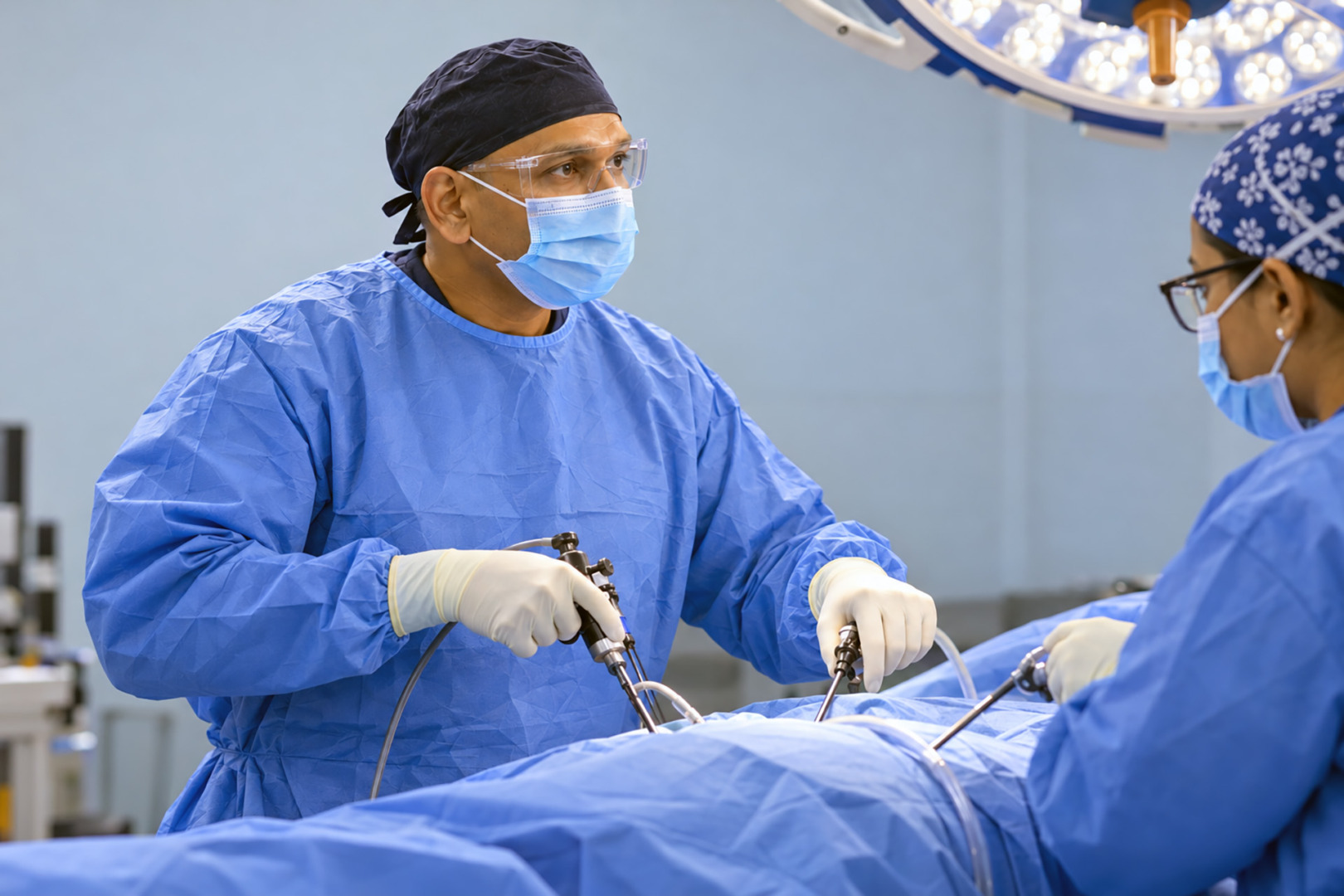
Thymectomy surgery can use open or minimally invasive surgical approaches. These surgical approaches use different incisions and surgical techniques. The choice depends on the condition, thymoma size and invasion, anatomy, prior surgery and the surgeon’s assessment.
These minimally invasive approaches like VATS and robotic thymectomy may involve less blood loss, less chest wall trauma and a shorter hospital stay than a transsternal approach in suitable patients. Minimally invasive approaches are not right for every patient. Complete resection takes priority over small incisions.
VATS surgery and robotic thymectomy use small incisions. Open surgery uses one longer incision, while transcervical surgery uses a lower neck incision. Your surgeon can explain how the incisions may affect the skin and thymectomy scar.
Surgical outcomes depend on why surgery was used to remove the thymus. After thymoma surgery, the pathology report, disease stage and surgical margins guide further treatment and surveillance. Early-stage thymoma that is completely removed often has favourable long-term control, but recurrence can occur years later. Your long-term outcome depends on the diagnosis, stage and completeness of resection.
Myasthenia gravis remission after thymectomy is possible, but permanent remission is not immediate or guaranteed. Improvement may take months or longer. The MGTX trial found benefits in disease control and lower prednisone requirements in selected patients who had thymectomy plus prednisone compared with prednisone alone. Your neurologist will determine if and when medications can be reduced.
Risks, thymectomy side effects and complications include bleeding, infection, pneumonia, air leak, and injury to the lung, blood vessels or nearby nerves. Other complications include worsening weakness or a myasthenic crisis in patients with myasthenia gravis. Complication risk varies by procedure and health. Some patients need temporary ventilator support, a breathing tube or monitoring in an intensive care unit after surgery.
When used, chest tubes are usually removed before discharge when drainage and lung expansion are satisfactory.
Most patients stay in hospital for one to three days after uncomplicated minimally invasive surgery. Open surgery or respiratory weakness may require a longer stay. Mild postoperative pain and mild soreness are expected, but pain varies. Your surgical team may provide pain medicines in hospital and pain medications at home. Contact your doctor if pain becomes severe or worsens.
Recovery time varies with the thymectomy procedure, your health, and your job. Most people have temporary activity limits. Desk-based work may be possible after about two weeks, although some patients need several weeks. Recovery may continue for weeks after open thoracic surgery. Discuss the benefits, risks, and likely recovery time with your surgeon before surgery.
Neumark Lung & Chest Surgery Centre assesses thymus tumours and referrals for myasthenia gravis thymectomy. Care may include imaging review and coordination with neurology, anaesthesia, respiratory medicine and oncology.
Dr Harish Mithiran is a senior consultant thoracic surgeon at Gleneagles and Mount Alvernia hospitals. A consultation with our clinic can help you understand whether thymectomy is appropriate, which surgical approach may be considered and what follow-up is likely to involve.
Most people can live without the thymus gland. Most people do not need a replacement organ after thymectomy because the gland is most active during childhood. Most adults do not develop obvious day-to-day immune problems. However, the adult thymus retains some immune function, and research into long-term health effects is continuing. Surgery to remove the thymus is recommended only when the expected benefits justify it.
After surgery to remove the thymus, the immediate effects include wound healing, pain and a temporary limit on strenuous activity. If thymectomy surgery was for a thymoma, treatment decisions depend on the pathology and stage. If thymectomy was for myasthenia gravis, improvement is usually gradual, and medicines continue until your neurologist advises a change.
You will be monitored for breathing, bleeding, pain and infection. A chest drain is often removed before discharge. Your surgeon will review the pathology report, including tumour type, stage and whether the margins are clear. Some patients need radiation therapy or chemotherapy. Long-term follow-up imaging is recommended because thymoma can recur.
Life expectancy varies with thymoma stage, cell type, completeness of resection, recurrence and overall health. Early-stage thymoma that is completely removed often has a favourable outlook. Invasive, recurrent or incompletely removed disease may need additional treatment and has a different prognosis. Your care team can provide an individual estimate after reviewing the pathology and stage.