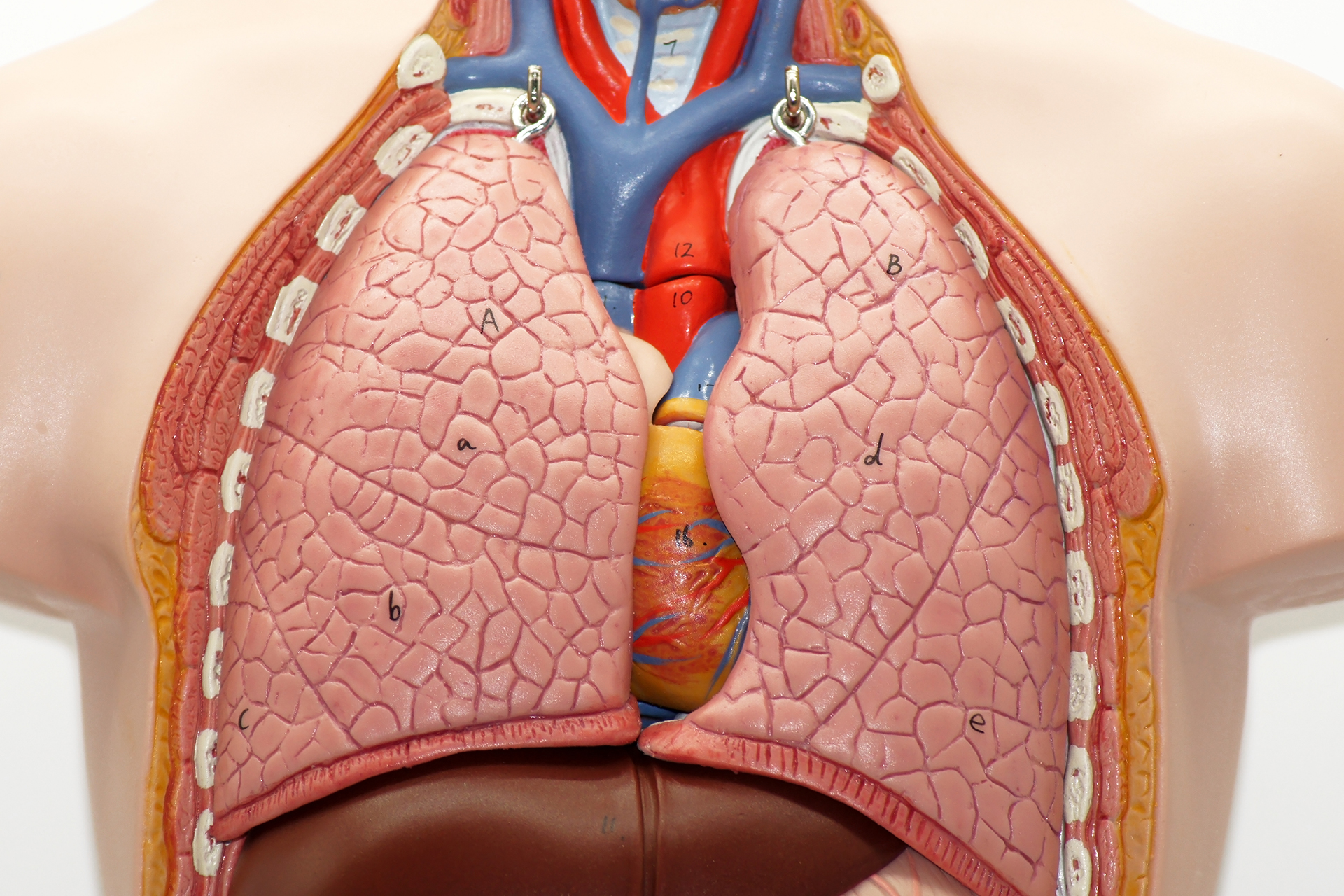


Pleurectomy and decortication, sometimes called extended pleurectomy decortication, is a combined procedure used when the disease affects both the pleural and lung linings to peel away diseased pleura from the chest cavity and free the tissue from tumour or scar tissue.
In malignant pleural mesothelioma, pleurectomy and decortication aims to achieve a macroscopic complete resection. Malignant mesothelioma is often approached this way. Epithelial mesothelioma has a better prognosis. This means removing all visible tumours that can be safely removed. It does not mean every microscopic cancer cell has been removed. Treatment often continues with chemotherapy, immunotherapy, radiation therapy or another oncology plan.
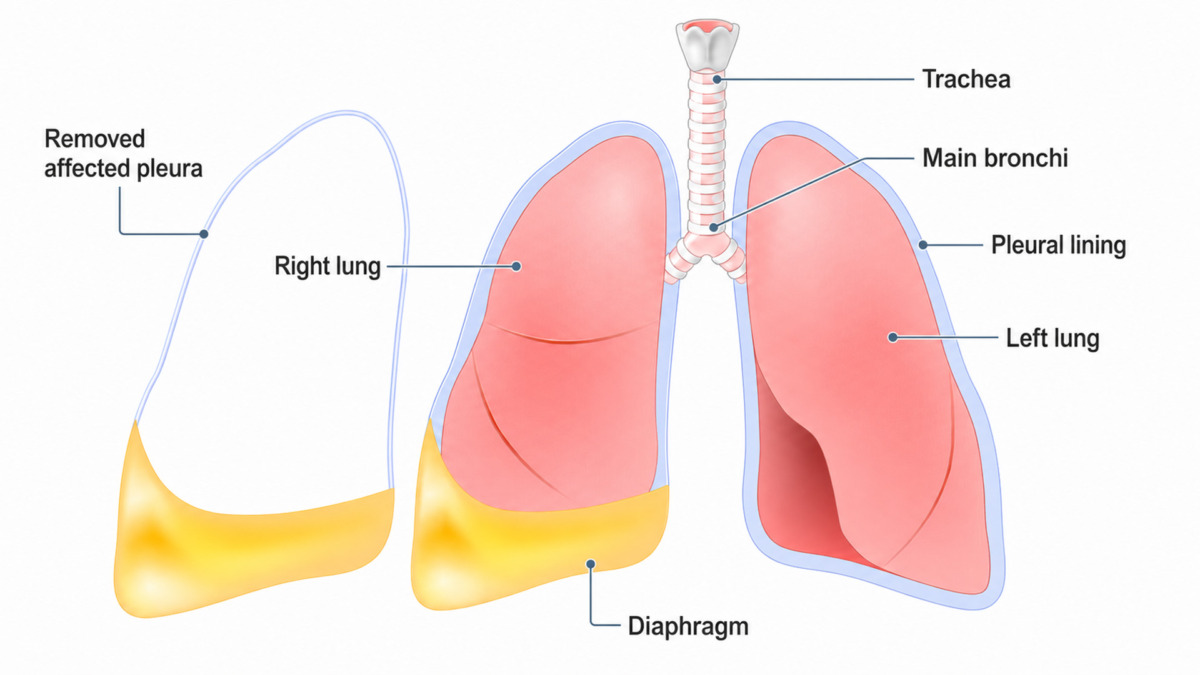
Pleurectomy is performed when diseased pleura causes signs, recurrence, trapped tissue, infection, or cancer-related pleural disease.
Suitability depends on the condition being treated. A patient may need scans, breathing tests, heart assessments, blood tests, biopsy results and reviews of their overall fitness before surgery is recommended. Not every patient with pleural conditions needs a pleurectomy. Some conditions can be managed with observation, drainage, medicines, pleurodesis, an indwelling pleural catheter or other less invasive procedures.
Pleurectomy and decortication may be considered for selected patients with early-stage malignant pleural mesothelioma. It is central to the surgical treatment for suitable patients and is usually planned as part of multidisciplinary care, which may include chemotherapy, immunotherapy, radiation therapy, or another oncology plan.
This mesothelioma surgery aims to achieve a macroscopic complete resection. This means removing all visible tumours that can be safely removed while preserving pulmonary tissue. However, it does not mean that every microscopic cancer cell has been removed.
Pleurectomy and decortication is usually only suitable when the cancer has not spread deeply, to both sides of the chest, or to distant parts of the body. The patient also needs to be fit enough for major chest surgery. Epithelial mesothelioma generally has a better prognosis than other cell types.
The aim is to reduce tumour bulk, ease chest discomfort and breathlessness, and help the lung expand more fully. For patients in good health, this may improve breathing, quality of life and long-term outcomes.
A pleurectomy may be considered for selected patients with severe pleural fluid that keeps coming back.
A pleural effusion is fluid in the pleural cavity. If it causes breathlessness and returns after treatment, thoracic surgeons usually try simpler options first, such as drainage, talc pleurodesis, or an indwelling pleural catheter.
Pleurectomy is less commonly used for pleural effusion alone. It may be considered when other treatments are unsuitable, have not worked, or the diseased pleura needs to be removed. The aim is to reduce the space where fluid can collect and help the lung stay expanded.
A pleurectomy may be used for recurrent pneumothorax, spontaneous pneumothorax, or repeated lung collapse caused by air collecting in the pleural cavity.
The surgeon may remove leaking blebs or bullae, then remove part of the pleura or perform pleurodesis to help the lung stick to the chest wall. This reduces the space between the chest wall and lung where air can collect again.
A pleurectomy may be used for severe empyema when pus, infection and scarring stop the lung from expanding, often after pneumonia. Other symptoms such as fevers may occur. Early cases may improve with antibiotics and drainage. If the infection becomes organised, thick tissue can trap the lung, and surgery may be needed.
A pleurectomy may be combined with decortication surgery to remove the infected or thickened pleura, clear pus pockets, and help the lung expand again.

Preparation for a pleurectomy focuses on confirming the diagnosis, assessing the patient’s surgical fitness, and reducing complications.
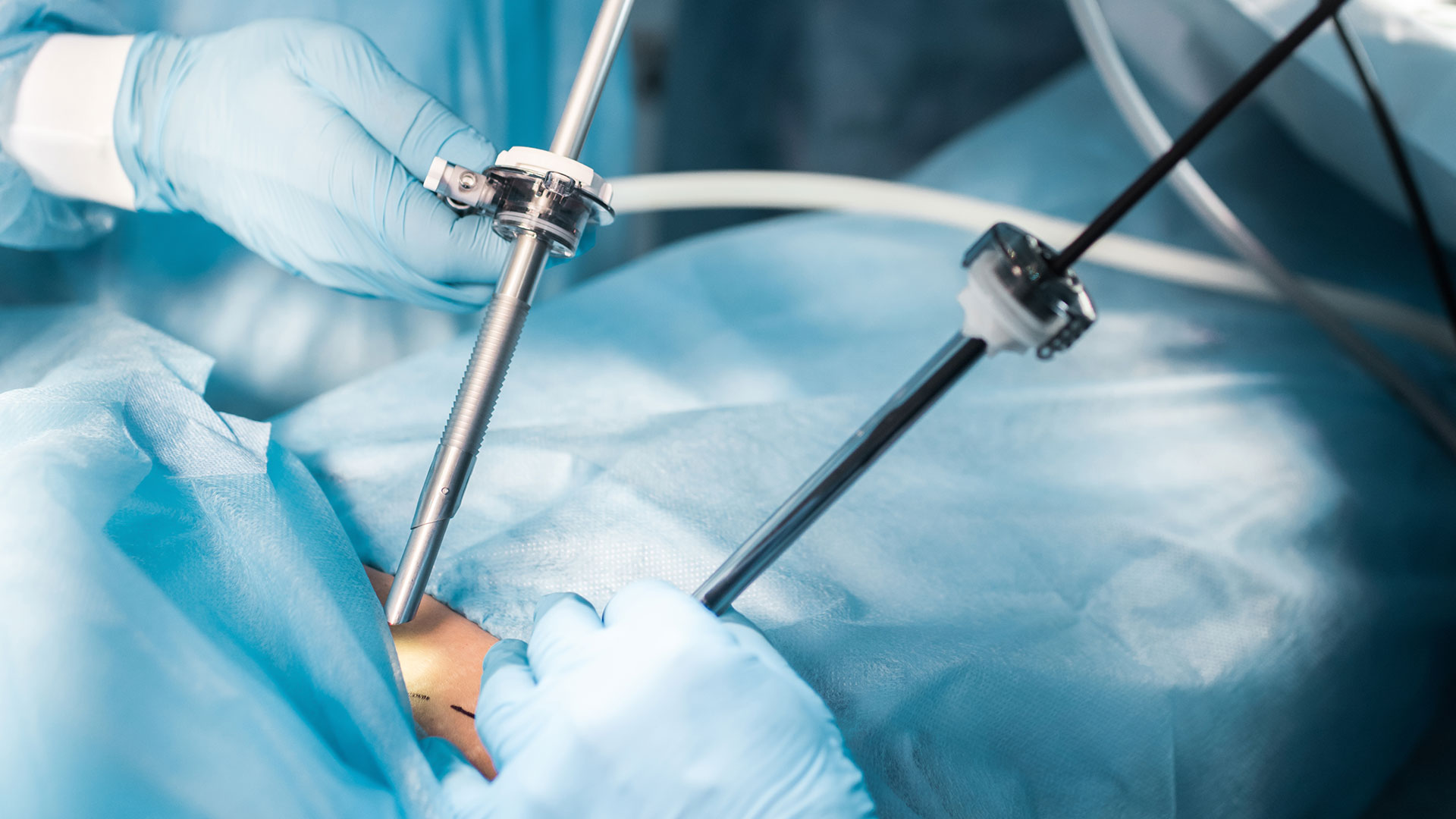
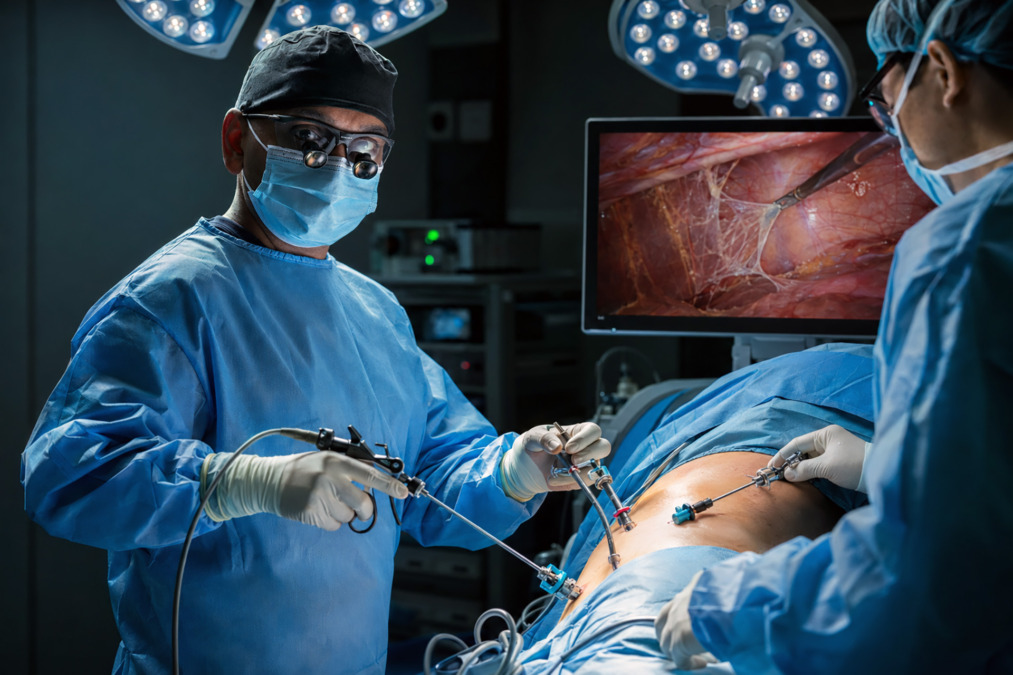
During pleurectomy, the surgeon removes the diseased pleural lining via open surgery or, in selected cases, a minimally invasive approach.
The pleurectomy may take about 1 to 2 hours, but the full operation can take several hours if decortication, tumour removal, diaphragm work or other procedures are needed. Extended pleurectomy decortication for pleural mesothelioma is usually longer and more complex than a pleurectomy for pneumothorax.
After a pleurectomy, patients are monitored while the lung recovers, chest drains work and pain is controlled.
Seek urgent medical review after discharge if you develop a fever, worsening breathlessness, increasing chest pains, wound redness, swelling, pus, heavy bleeding, dizziness, coughing up blood, or feel a sudden deterioration.
A pleurectomy is major chest surgery and can cause complications such as pain, bleeding, infections, air leaks and breathing problems.
Possible risks include:
In a pleurectomy and decortication, there may be bleeding from raw pleural or chest wall surfaces. The lung may not fully re-expand if the underlying tissue is stiff or diseased. In cancer surgery, microscopic tumours may remain even when all visible tumours have been removed.
Risks are higher in patients with poor lung function, heart disease, active infection, frailty, poor nutrition, smoking history or advanced disease. Your surgeon will explain your personal risk based on your scans, test results and overall condition.
Neumark Lung & Chest Surgery Centre can help determine whether a pleurectomy is suitable and which surgical approach is safest for patients with pleural disease, pneumothorax, empyema, trapped lung, malignant pleural effusion, or malignant mesothelioma.
Neumark specialises in minimally invasive thoracic surgery with a multidisciplinary approach led by Dr Harish Mithiran, senior consultant thoracic surgeon at Gleneagles and Mount Alvernia hospitals.
If a pleurectomy has been recommended, or if you have recurrent fluid, recurrent collapse, trapped tissue, pleural infection or suspected pleural cancer, contact Neumark for a consultation.
Yes. Pleurectomy is major chest surgery. It is usually done under general anaesthesia and often requires chest drains, hospital monitoring and several weeks of recovery.
Pain is expected after a pleurectomy because the operation involves the chest wall and pleura. Pain relief is provided to help you breathe deeply, cough, walk and recover more safely.
Pleurectomy removes the pleural lining. Decortication removes thick scar tissue or tumour rind from the lung surface. They may be done together when both the pleura and lung surface are affected.
Pleurectomy can reduce the risk of recurrent pneumothorax in suitable patients by helping the lung stick to the chest wall. It lowers the risk of recurrence but cannot eliminate every possible cause of a future air leak.
Recovery varies by procedure and patient health. Many patients need several days to 2 weeks in hospital, followed by several weeks at home. Return to normal activities may take 4 to 8 weeks or longer.
Yes. Patients can live without part or all of their pleura. After a pleurectomy, the aim is for the lung to remain expanded and heal against the chest wall.