
malignant mesothelioma

Malignant Mesothelioma

Malignant mesothelioma is a rare cancer of the body lining, most often the pleura. Learn the symptoms, diagnosis, treatment and outlook. Schedule a consultation.

What Is Malignant Mesothelioma?

Malignant mesothelioma is an aggressive cancer that starts in the mesothelium, which is the thin lining around certain organs, including the lungs and heart.

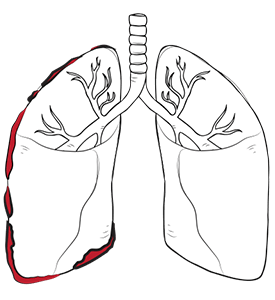
Most cases of malignant mesothelioma begin in the pleura, which is where mesothelial cells line the inner chest wall and lung surfaces. This form is called malignant pleural mesothelioma (MPM), and it is the most common type of malignant mesothelioma, the one most relevant to thoracic specialists. Less often, diffuse malignant mesothelioma can arise in the abdominal lining, develop around the heart, or, very rarely, around the testes.

The main causes of malignant mesothelioma are related to asbestos exposure. Asbestos fibres inhaled from asbestos insulation, asbestos mines, or asbestos-containing materials can remain in the body for years. Over time, the exposure to asbestos triggers a chronic irritation and genetic damage in mesothelial cells, converting normal cells into cancer cells.

The delay between exposure to asbestos and diagnosis is often very long, commonly taking decades. Occupational asbestos exposure and direct workplace asbestos exposure are the strongest risk factors, but some patients with malignant mesothelioma are exposed to asbestos through old buildings, home renovation, or asbestos fibres carried home on clothing.

A smaller number of cases are linked with radiation exposure or inherited susceptibility. Asbestos regulations have reduced new cases in many countries, including Singapore, but the long latency means patients diagnosed today were often exposed decades ago.

mesothelioma

Symptoms

Malignant mesothelioma symptoms often begin gradually and can resemble more common chest conditions.

The most common malignant mesothelioma symptoms are chest pain, shortness of breath, a dry or painful cough, tiredness, and unintentional weight loss. Chest pain typically develops along the chest wall as the disease spreads along the ipsilateral pleural surfaces and visceral pleura.

Some people also notice lumps under the skin on the chest wall. In many patients, breathlessness occurs because fluid accumulates within the pleural cavity around the lungs. This pleural effusion is a very common early finding in malignant pleural mesothelioma and can make the visceral pleura and lung feel trapped or compressed. Unlike lung cancer, where tumour growth often creates a discrete mass, mesothelioma tends to spread across the pleural surfaces.

Because the symptoms can be vague, the disease is sometimes mistaken for lung cancer, pneumonia, bronchitis, or another pleural condition at first. That overlap with common respiratory symptoms is one reason diagnosis is not always immediate and why specialist help is often needed for an accurate diagnosis.

 

malignant mesothelioma symptoms


When to See a Lung Specialist

You should see a lung specialist promptly if you have persistent chest symptoms, pleural fluid, or a history of asbestos exposure.

A specialist review is especially important if breathlessness, chest pain, dry cough, or unexplained weight loss do not improve, or if a chest scan shows pleural thickening, chest wall involvement, or fluid around the lung. If you worked in construction, shipyards, asbestos insulation trades, brake repair, demolition, or other occupations where asbestos exposure may have occurred, even many years ago, it is also wise to seek a review. People exposed to asbestos who develop chest wall pain or pleural effusion should be evaluated without delay, as treatment is often more successful if malignant mesothelioma is found earlier rather than later.

An early assessment matters because treatment decisions depend on the stage, cell type, lung reserve, and the disease’s potential resectability. A thoracic specialist also helps distinguish mesothelioma from lung cancer, lung adenocarcinoma, and other causes of pleural effusion, pleural thickening, or chest wall pain.

Diagnosis

A diagnosis of malignant mesothelioma requires imaging and tissue confirmation, as pleural fluid alone is insufficient for an accurate diagnosis.

Most patients start with a chest X-ray or CT scan. Computed tomography scans help show pleural thickening, pleural nodules, fluid around the lung, chest wall involvement, and whether the underlying pulmonary parenchyma or nearby structures may be involved. Assessment of lymph node involvement and lymph node metastases helps with staging. PET-CT or MRI scans may be added in selected cases to better define disease extent and guide treatment planning.

A biopsy is usually required for a definitive diagnosis, as even if the pleural fluid contains suspicious cells, fluid cytology alone is often insufficient. Tissue is more reliable and can usually be obtained through an image-guided biopsy or thoracoscopic pleural biopsy. Once the tissue is examined, pathologists look at cancer cells and mesothelial cells to confirm mesothelioma and determine the subtype. Distinguishing mesothelioma from lung adenocarcinoma or other lung cancer subtypes requires careful pathological analysis of mesothelial cells.

Malignant pleural mesothelioma is divided into epithelioid malignant pleural mesothelioma, sarcomatoid, biphasic mesothelioma, and, less commonly, desmoplastic mesothelioma. The subtype matters as treatment plans and the prognosis vary depending on the findings. Epithelioid mesothelioma and epithelioid disease usually have the most favourable outlook. Sarcomatoid disease tends to behave more aggressively. Biphasic disease contains features of both. This is one reason malignant mesothelioma prognosis varies so much from one person to another.

The median survival is also influenced by lymph node metastases and the extent of ipsilateral pleural surface involvement.

Non-Surgical Management

Malignant mesothelioma management often relies on a multimodal plan that combines systemic treatment, symptom control and close specialist follow-up.

For most patients, treatment options do not begin with surgery. Non-surgical treatment options include immunotherapy, systemic chemotherapy, radiation therapy and pleural fluid management. Malignant mesothelioma treatment with immunotherapy has become an important cancer treatment option in advanced malignant mesothelioma and unresectable malignant pleural mesothelioma.

  • Chemotherapy treatment with systemic chemotherapy remains part of care in many settings. Neoadjuvant chemotherapy before surgery may improve outcomes for carefully selected patients, shrinking the size of the malignant mesothelioma and simplifying surgical removal. Neoadjuvant chemotherapy is also used in the context of trimodality planning.
  • Palliative radiation therapy may help with local symptom relief, and radiation therapy is used as part of combination treatment plans for selected patients treated at specialist centres.
  • Supportive care is also a core part of malignant mesothelioma management. If fluid keeps collecting around the lung, drainage procedures or pleurodesis may help breathing. Pain control, nutritional support, and respiratory care matter throughout the treatment journey.

There is no single malignant pleural mesothelioma treatment that suits everyone. Treatment options depend on the stage, cell subtype, treatment fitness, and whether the aim is long-term control or symptom relief. Patients diagnosed with diffuse malignant mesothelioma may also be considered for hyperthermic intrathoracic chemotherapy in selected settings.

 

malignant pleural mesothelioma treatment


Surgical Options

Surgery for malignant pleural mesothelioma is usually reserved for selected patients with an earlier disease as part of a broader treatment plan.

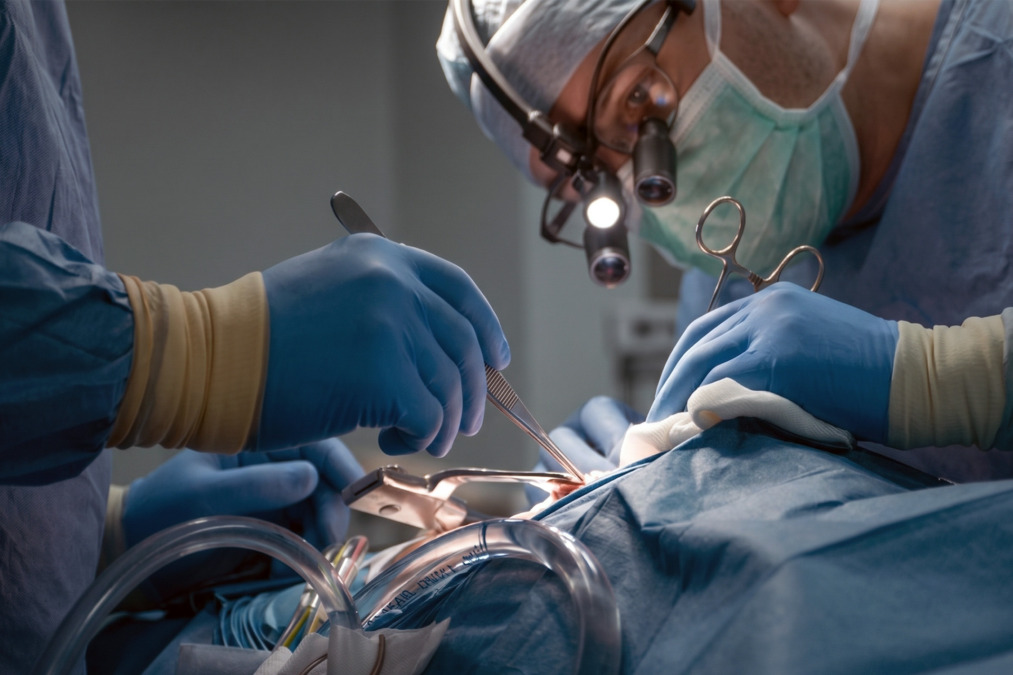
Surgery is not suitable for every patient. When considered, the goal is to remove as much visible tumour as possible, including the tumour involving the chest wall, visceral pleura, and ipsilateral pleural surfaces, while preserving the function and healthy tissue where feasible. Common operations include pleurectomy and decortication, which remove the diseased pleura and chest wall lining while preserving the lung, and more radical surgery such as extrapleural pneumonectomy in selected cases.

At Neumark Lung & Chest Surgery Centre, surgery is viewed as one part of a broader strategy. For carefully selected patients with earlier-stage disease, surgery may be combined with neoadjuvant chemotherapy, radiation therapy, or immunotherapy before or after the operation. This is especially relevant in the treatment of malignant pleural mesothelioma, where long-term control usually depends on more than one modality.


malignant mesothelioma surgery


Risks and Recovery

Recovery depends on the stage of disease, the treatment used, and the patient’s overall health.

Major pleural surgery carries real risks, including bleeding, infection, air leak, pain, lung complications, and a prolonged recovery period. Systemic treatment can also bring side effects such as fatigue, nausea, reduced appetite, or immune-related complications, depending on the regimen used.

Patients often ask about the survival rate for malignant pleural mesothelioma. There is no single number that fits every case, as median survival varies by subtype. However, patients treated with multimodal approaches in experienced centres have shown improved median survival compared with historical data. Ultimately, the prognosis for malignant mesothelioma depends on the stage, cell type, response to treatment, and overall health. Patients diagnosed with poor-prognosis features such as sarcomatoid histology, lymph node metastases, or advanced stages of disease have a shorter median survival. Epithelioid mesothelioma generally has a better outlook than sarcomatoid disease. Earlier-stage disease generally offers more treatment options than advanced disease. For that reason, it is better to think in terms of an individualised prognosis rather than a single general survival figure.


How Neumark Can Help

Neumark Lung & Chest Surgery Centre specialises in minimally invasive thoracic surgery and complex pleural conditions, with a multidisciplinary approach led by Dr Harish Mithiran, senior consultant thoracic surgeon at Gleneagles and Mount Alvernia hospitals. For patients with suspected or confirmed malignant mesothelioma, we provide a careful review of imaging, biopsy, and pleural fluid findings, and advise you on whether surgery should be part of treatment.

If you have pleural thickening, recurrent pleural effusion, unexplained chest symptoms, or a history of asbestos exposure, contact Neumark Lung & Chest Surgery Centre for a consultation. A timely specialist review can clarify the diagnosis, explain your treatment options, and help you move forward with the most appropriate treatment plan.

FAQs about Malignant Mesothelioma

Life expectancy for those with mesothelioma varies widely. It depends on the stage, cell subtype, general health, and how well the disease responds to treatment. Some patients live longer with multimodal treatment, especially when the disease is found earlier.

End-stage mesothelioma usually refers to advanced disease that has spread extensively or is no longer responding well to treatment. At this stage, care often focuses strongly on symptom relief, breathing comfort, pain control, and the quality of life.

The main cause is asbestos exposure. The disease often develops many years after the original exposure.

Mesothelioma is more often diagnosed in older adults, especially men, because of the historical occupational exposure patterns connected to asbestos. However, it can also occur in those with household or environmental asbestos exposure.

DISCLAIMER: The information provided on this website is for general informational purposes only and is not intended as a substitute for professional medical advice, diagnosis, or treatment. The use of this website does not create a doctor-patient relationship and no medical advice should be inferred or assumed. It is the user’s sole responsibility to seek the advice of their healthcare professionals for any medical concerns they may have and the user should not disregard, or delay, prompt medical advice for any such condition.

lung disease and chest surgical services

Consult with Our Mesothelioma Specialist

Neumark Lung & Chest Surgery Centre benefits from the expertise of a multidisciplinary team led by Dr Harish Mithiran, senior consulting thoracic surgeon at Gleneagles Hospital and Mt Alvernia Hospital.

Neumark is a lung and chest specialist centre with access to leading treatment modalities to achieve the best possible outcomes for lung disease and preventative patient screening.

Our foremost priority is to treat your condition as effectively as possible. Schedule a private consultation today; complete the form below, call, +65 6908 2145; WhatsApp, +65 9726 2485; or email, info@neumarksurgery.com.