
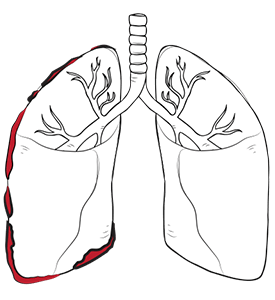
Epithelioid mesothelioma symptoms depend mainly on where the cancer starts and how far it has spread.
In pleural epithelioid mesothelioma, symptoms include shortness of breath, chest pain, dry cough, fatigue, unexplained weight loss, or fluid around the lungs. These symptoms can look like more common conditions, such as pneumonia, bronchitis, asthma, lung cancer, or other chest problems. Some people may feel chest tightness or discomfort when breathing deeply.
Symptoms of epithelioid pleural mesothelioma can overlap with lung cancer and other chest conditions, such as pleural effusion. Pleural effusion (fluid around the lungs) can make breathing harder by pressing on the lungs and preventing them from expanding fully. Some people are checked for mesothelioma because fluid keeps building up around the lung, even when the first scan does not clearly show a tumour.
In peritoneal mesothelioma, which affects the lining of the abdomen, symptoms may include abdominal swelling, peritoneal effusion, pain, poor appetite, nausea, or changes in bowel habits. When epithelioid disease arises in the abdomen, it is called malignant peritoneal mesothelioma.
You should see a thoracic surgeon if you have persistent chest symptoms, unexplained pleural fluid, or a history of asbestos exposure.
Specialist review is especially important if breathlessness, chest pain, or a dry cough do not improve, or if there is weight loss. It is also important if medical imaging shows pleural thickening, pleural nodules, or fluid around the lung.
A past history of asbestos exposure should always be mentioned, even if it happened decades ago. Workers in shipyards, construction, insulation, demolition, brake repair, or older building maintenance may be exposed. Household exposure can also happen when asbestos fibres are carried home on work clothing.
In Singapore, patients with suspected pleural disease are often assessed with chest imaging, pleural fluid testing, and a referral to respiratory or thoracic specialists when lung cancer or mesothelioma is a concern. A thoracic surgeon becomes important when tissue is needed for diagnosis or when surgery may be part of treatment.
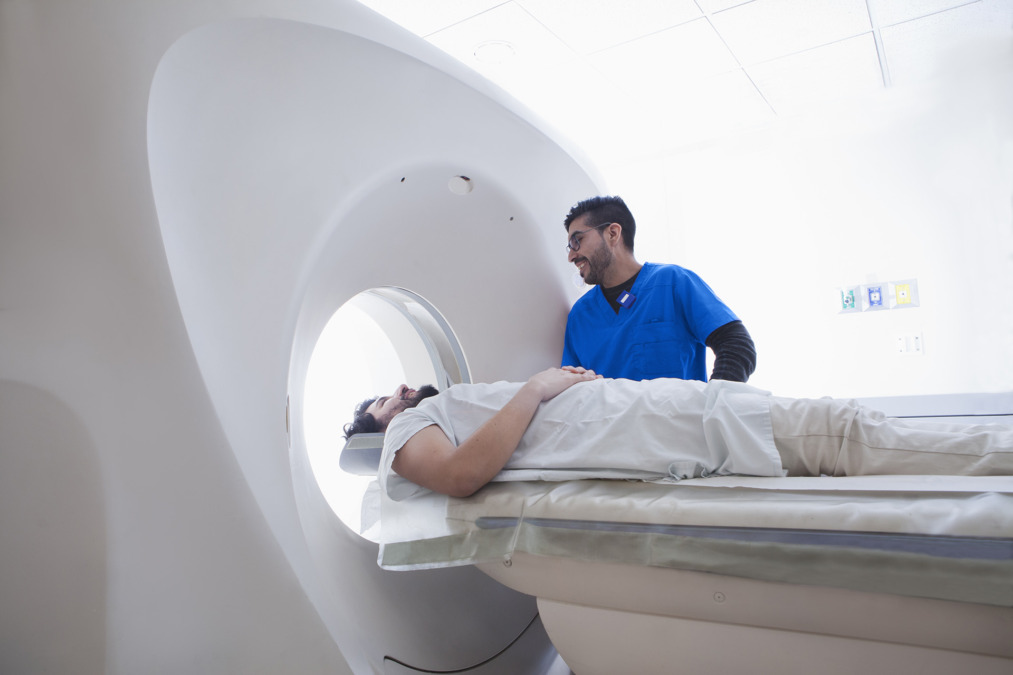
Non-surgical treatment for epithelioid mesothelioma may include chemotherapy, immunotherapy, radiation therapy, pleural fluid management, and supportive and palliative care.
Treatment depends on stage, symptoms, fitness, and whether the disease can be removed surgically. Many mesothelioma patients need systemic treatment, meaning treatment that works throughout the body.
Systemic chemotherapy using chemotherapy drugs may be used to slow the disease, reduce symptoms, and improve control. For patients with epithelioid mesothelioma, a combination of chemotherapy and immunotherapy is often used, and these drugs are designed to destroy cancer cells throughout the body.
Pleural fluid management is often part of care. If the fluid keeps coming back, options may include repeated drainage, an indwelling pleural catheter, or pleurodesis. Pleurodesis aims to seal the space between the lung and chest wall so fluid is less likely to build up again. When the disease is unresectable pleural mesothelioma, treatment focuses on control and comfort.
Radiation therapy, including intensity-modulated radiation therapy, may be used in selected cases to help relieve symptoms or to provide local symptom control. After surgery, radiation therapy can target the remaining cancer cells.
Supportive and palliative care also matter. This may include pain relief, breathing support, nutrition, physiotherapy and help with fatigue, all of which help manage symptoms.
Newer approaches, including tumour treating fields, are an area of ongoing research. Tumour treating fields use low-intensity electric fields to slow the division of cancer cells and may be added to some mesothelioma treatment plans alongside adjuvant therapy, broadening the available treatment options.
Surgery may be considered for selected patients with epithelioid mesothelioma when the disease is at an earlier stage, and the patient is fit enough for major treatment.
Surgery is not suitable for everyone. It is usually considered only after careful staging and a multidisciplinary review with a surgical oncology input. Epithelioid cell type may make surgery more feasible than sarcomatoid disease, but the decision also depends on the tumour spread, lung function, cardiac health, and the patient’s overall fitness. Those with early-stage disease are more likely to be considered for surgical treatment options.
The main operations for epithelioid pleural mesothelioma are:
The right operation depends on how far the cancer has spread, the patient’s overall health, and whether the lung can be safely preserved. Lung-sparing surgery is often preferred when appropriate, but the safest option depends on the individual case.
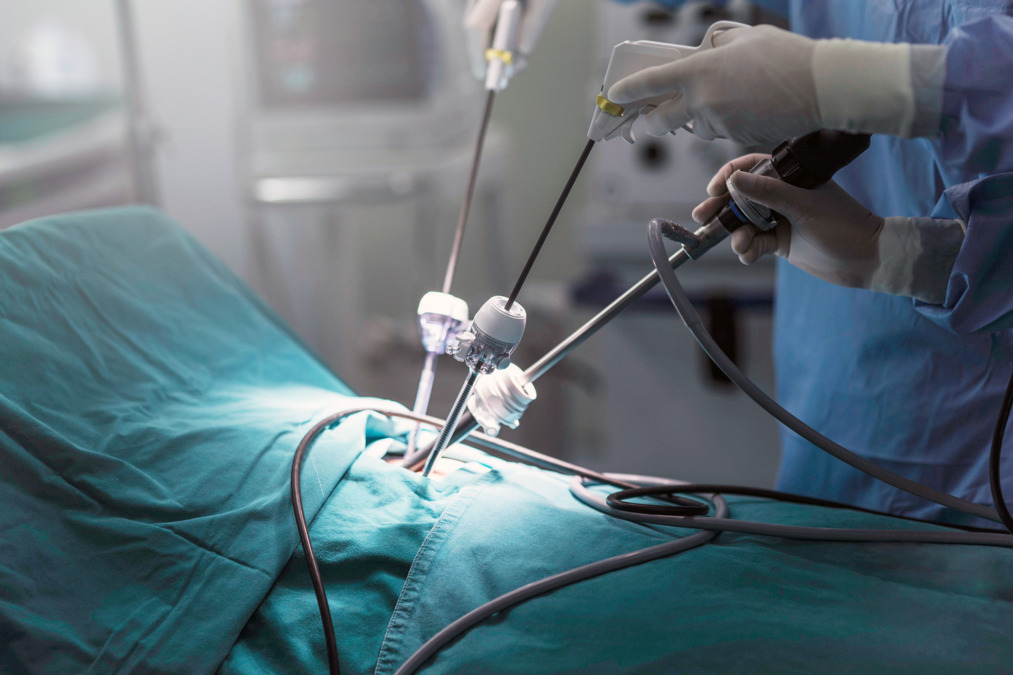
Video-Assisted Thoracoscopic Surgery (VATS) can assist with diagnosis, pleural biopsy, fluid drainage and pleurodesis. In selected cases, VATS may be part of treatment planning. More extensive cancer surgery may still require an open approach to remove the disease safely and completely.
Surgery is viewed as one part of a broader treatment plan rather than a standalone cure.
Recovery from epithelioid mesothelioma treatment depends on the stage of disease, the treatment used and the patient’s overall health.
After a pleural biopsy or VATS, recovery is usually shorter than after a major open surgery. Patients may have a chest drain for a short time, experience some chest discomfort, and undergo follow-up imaging. After larger operations, recovery is more demanding and may involve pain control, breathing exercises, rehabilitation and close monitoring.
Possible surgical risks include bleeding, infection, air leaks, pneumonia, pain, and a reduced breathing reserve. Chemotherapy and immunotherapy can also cause side effects, including fatigue, nausea, changes in appetite, a drop in healthy blood cell counts, or immune-related inflammation. These treatment options and risks are discussed before treatment so that patients can understand the likely benefits and trade-offs.
Epithelioid mesothelioma life expectancy varies widely. It depends on the stage, response to treatment, age, general health, and whether surgery or multimodal treatment is possible. Median survival is generally longer for epithelioid disease, which has a better outlook than other mesothelioma cell types, though an advanced disease still carries a poor prognosis.
Neumark helps patients with suspected or confirmed epithelioid mesothelioma understand their diagnosis and choose the most appropriate treatment pathway.
Neumark Lung & Chest Surgery Centre specialises in minimally invasive thoracic surgery with a multidisciplinary approach led by Dr Harish Mithiran, senior consultant thoracic surgeon at Gleneagles and Mount Alvernia hospitals in Singapore. For patients diagnosed with epithelioid mesothelioma, this means a careful review of imaging, biopsy results, pleural fluid issues and lung function.
Some patients need a biopsy and staging before treatment decisions can be made. Some need fluid control and systemic treatment, while a smaller group may be suitable for surgery as part of a multimodal care approach. Dr Harish can help determine how best to treat epithelioid mesothelioma and whether a minimally invasive approach is suitable for diagnosis or symptom control.
If you have pleural thickening, recurrent pleural effusion, a diagnosis of epithelioid malignant mesothelioma, or a history of asbestos exposure, contact Neumark for a consultation.