
Decortications are surgical procedures to remove thick scar tissue or a fibrous peel around the lung so the lung can expand normally. As a surgical procedure performed in the chest cavity, a lung decortication is considered major surgery, though selected cases now use less invasive routes.
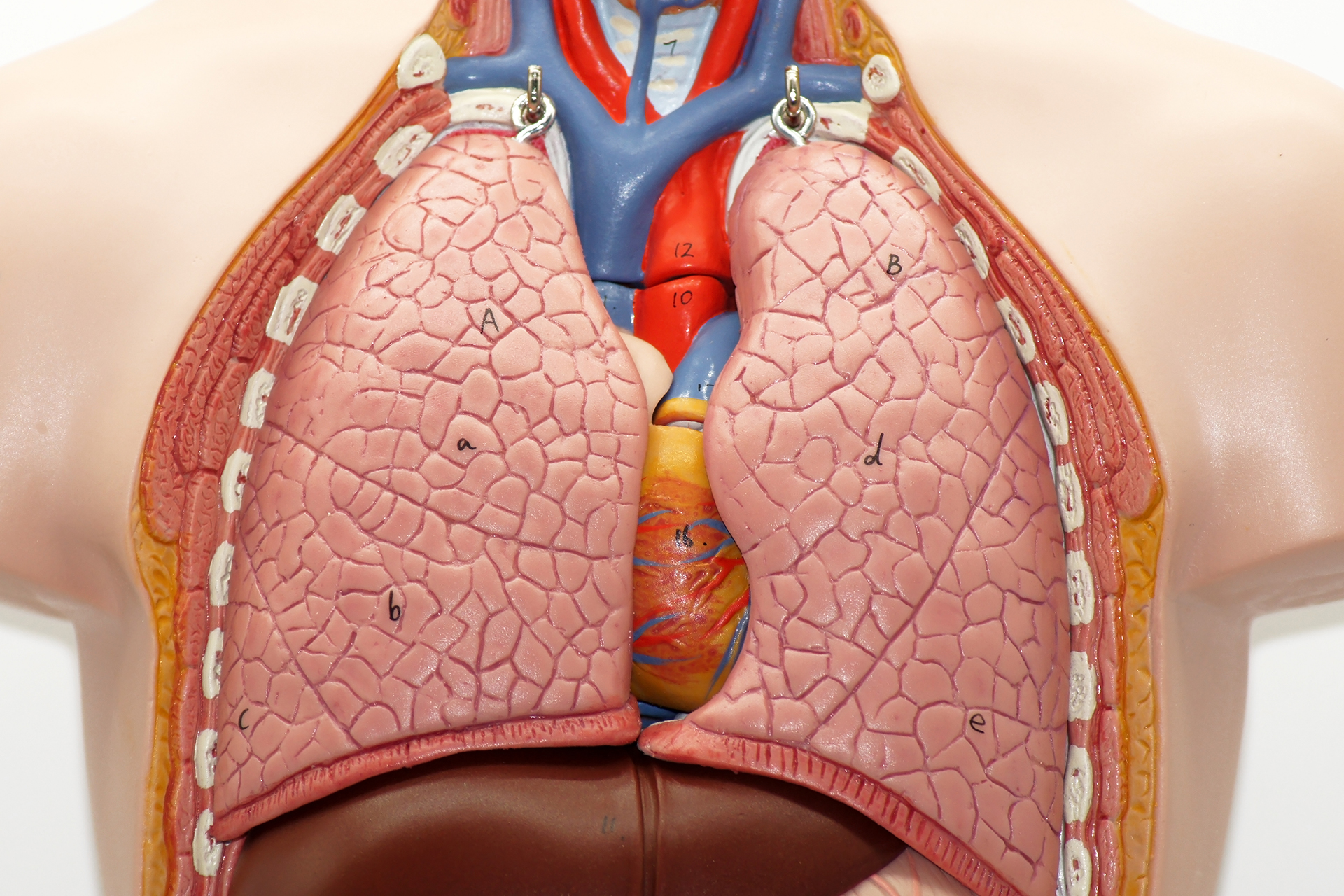
The lung surface is covered by the visceral pleura, and the inside of the chest wall is lined by the parietal pleura. Normally, these layers slide smoothly against each other as you breathe. If an infection, blood, chronic inflammation, or long-standing fluid irritates the pleura, a thick layer can form over the lung. This layer can trap the lung and stop it from opening fully.
Pleurectomy decortication, or decortication of the lung, removes the restrictive layer of the diseased pleura while freeing the lung, often for selected pleural mesothelioma, such as a malignant pleural mesothelioma. The goal is to free the lung, improve breathing, clear infection if present, and reduce the space where fluid or pus can collect again.
Patients may need decortication if they have a trapped or restricted lung, chronic empyema with thick scarring, fibrothorax, chronic haemothorax, or persistent symptoms after less invasive treatments. Decortications are performed when a thick pleural peel traps the lung and prevents it from expanding despite drainage, medications, or other treatments.
Decortications may be used to treat:
A suitable patient usually has a lung restricted by pleural scar tissue, but enough healthy lung tissue to benefit from re-expansion. This distinction is important. If the lung parenchyma itself is severely damaged, removing the outer peel may not improve breathing as much as expected.
Lung decortications may be considered when breathlessness, chest tightness, fever, recurrent infection, or poor lung expansion persist despite antibiotics, thoracentesis, chest tube drainage, intrapleural medications, or image-guided drainage. It may also be considered when imaging shows a thick pleural rind, persistent pleural space, or loculated infected fluid.
During surgery, tissue samples may also be taken if cancer, tuberculosis, or another pleural disease needs confirmation. Not everyone with pleural fluid needs thoracic surgery. Some patients improve with medicines and drainage alone.
You should see a thoracic surgeon when pleural infection, a restricted lung, or thick pleural scarring does not improve with standard treatment.
Specialist review is important if you have ongoing breathlessness, fever, chest pain, weight loss, repeated pleural fluid, or a lung that does not re-expand after drainage. It is also important if scans show pleural thickening, organised empyema, a trapped lung, or a possible pleural mass.
A thoracic surgeon can assess whether a decortication procedure is likely to be beneficial and whether a minimally invasive approach is feasible. In Singapore, timely review matters because delayed treatment can allow pleural empyema or scarring to become more organised and harder to clear.
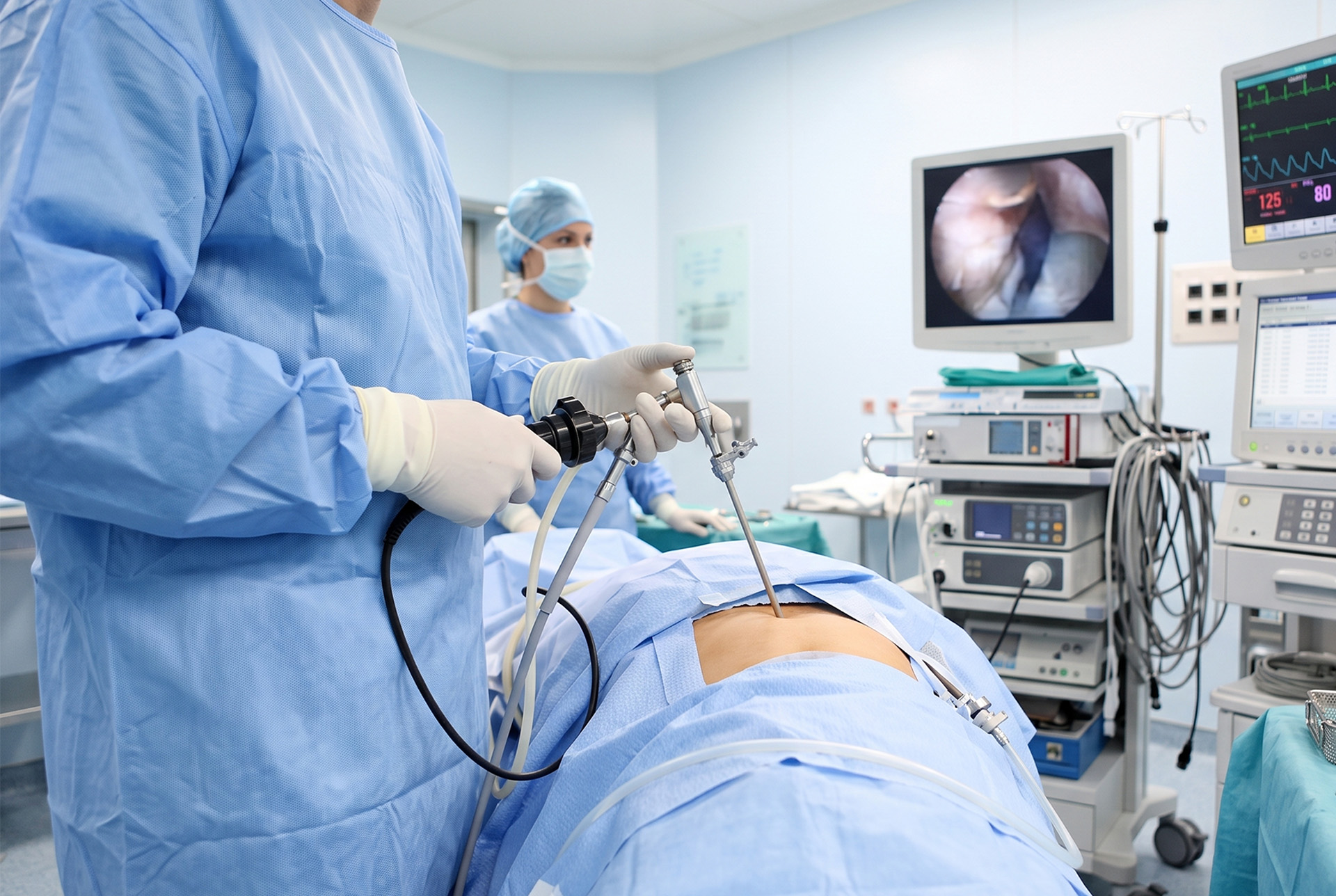
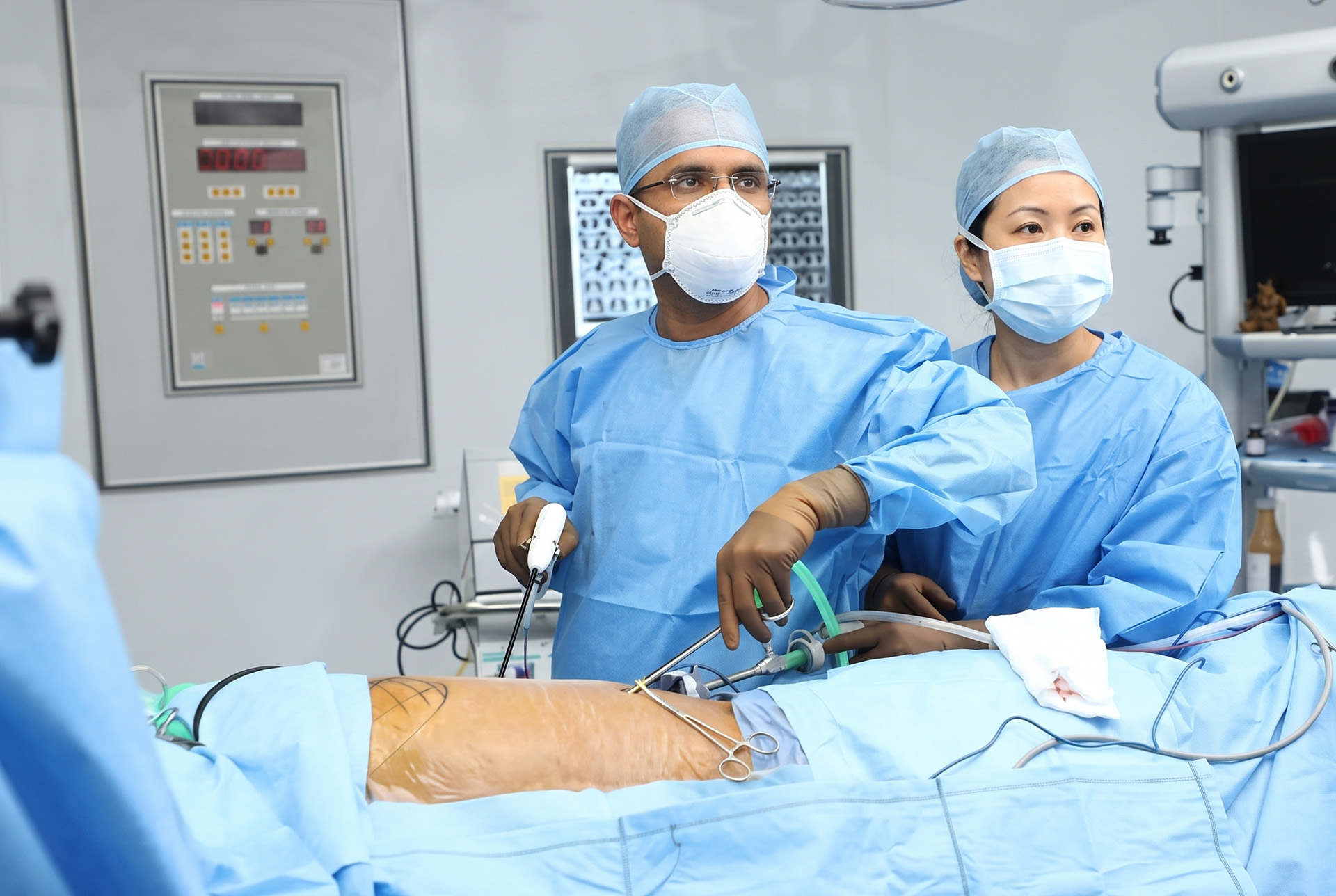
The surgeon may recommend an open operation or a minimally invasive approach.
Preparation for decortication focuses on confirming the cause, checking whether the lung can recover, and making surgery as safe as possible.
During lung decortication, the surgeon removes the thick pleural peel from the lung and clears infected or organised material from the pleural space.
After decortications, patients are closely monitored as the lung re-expands and fluid or air drains from the chest.
You may wake up with a chest drain, oxygen, a drip, and pain relief. Some patients need closer monitoring in a high-dependency or intensive care unit, especially after major infection, open surgery, or complex lung decortication.
Most patients stay in the hospital until the chest tubes are removed. Chest drains usually stay in place until air leakage settles and drainage reduces. Chest X-rays help check lung expansion. Nurses and physiotherapists will encourage deep breathing, coughing and early walking. These steps reduce the risk of pneumonia, blood clots and lung collapse.
Postoperative pain is expected, especially after a thoracotomy. Pain relief may include tablets, injections, nerve blocks, or an epidural, depending on the operation and your condition.
The main benefit of decortications is that a trapped lung can be re-expanded, thereby improving breathing.
Most patients feel less breathless once the lung opens more fully. Patients with thick scarring may see clear improvement. Decortications along the visceral pleura can also remove infected material, reduce the risk of ongoing sepsis, improve oxygen levels, and reduce the risk of a persistently infected pleural space.
Outcomes depend on the cause, the surgical technique chosen, and the health of the underlying lung. Patients with thick pleural scarring but relatively preserved lung tissue tend to benefit most. If the lung has a severe underlying disease, improvement may be more limited.
Pleural decortications do not always treat the underlying disease. For example, if a cancer caused the pleural problem, decortication may help with the symptoms, diagnosis, or lung expansion, but cancer treatment may still be needed. This may include chemotherapy, immunotherapy, targeted therapy, or radiation therapy, depending on the cancer type.
Decortication, as a surgical intervention, is a major thoracic surgery and carries risks such as bleeding, infection, air leak, pain, and incomplete lung expansion.
Possible postoperative complications include:
Haemorrhages can occur from raw lung surfaces after the thick peel is removed. Some patients may need a blood transfusion.
If any infected materials remain in the chest, a retained infective focus can lead to postoperative sepsis. Rarely, the lung may not expand well after surgery because the lung tissue itself is too damaged.
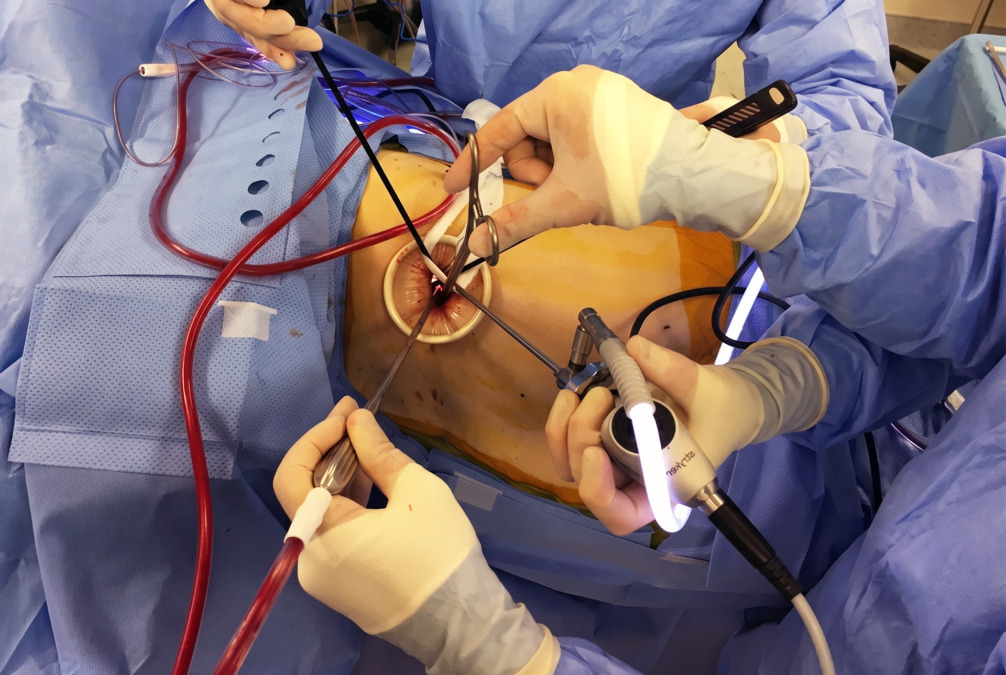
Recovery after decortication depends on the surgical approach, severity of disease, and how well the lung re-expands. Some patients stay several days, while more complex infections or open thoracic surgery may need longer monitoring. Recovery at home can take several weeks. Full recovery may take longer after a thoracotomy.
During recovery, patients are usually advised to walk regularly, continue breathing exercises, keep wounds clean and dry, avoid heavy lifting until cleared, and attend follow-up appointments. Follow-up imaging may be arranged to assess lung expansion and confirm that the pleural space is healing.
Call your doctor urgently if you develop a fever, worsening breathlessness, increasing chest pains, dizziness, wound redness, swellings, discharges, coughing up blood, or any sudden deterioration. These symptoms may suggest an infection, bleeding, air leaks, or another complication.
Alternatives to decortication may include antibiotics, thoracentesis, chest tube drainage, intrapleural medicines, an indwelling pleural catheter, pleurodesis, or ongoing monitoring.
The right alternative depends on the cause:
Neumark Lung & Chest Surgery Centre helps patients understand whether decortication is needed and which surgical approach is safest for their condition.
Neumark specialises in minimally invasive surgery, with a multidisciplinary approach led by Dr Harish Mithiran, senior consultant thoracic surgeon at Gleneagles and Mount Alvernia hospitals. For patients with restricted lung, empyema, pleural thickening, or complex pleural disease, this means careful review of symptoms, scans, fluid results, infection status, lung functions, and overall fitness.
If you have been told you have a trapped lung, chronic empyema, pleural thickening, or need decortication, contact Neumark today for a consultation.
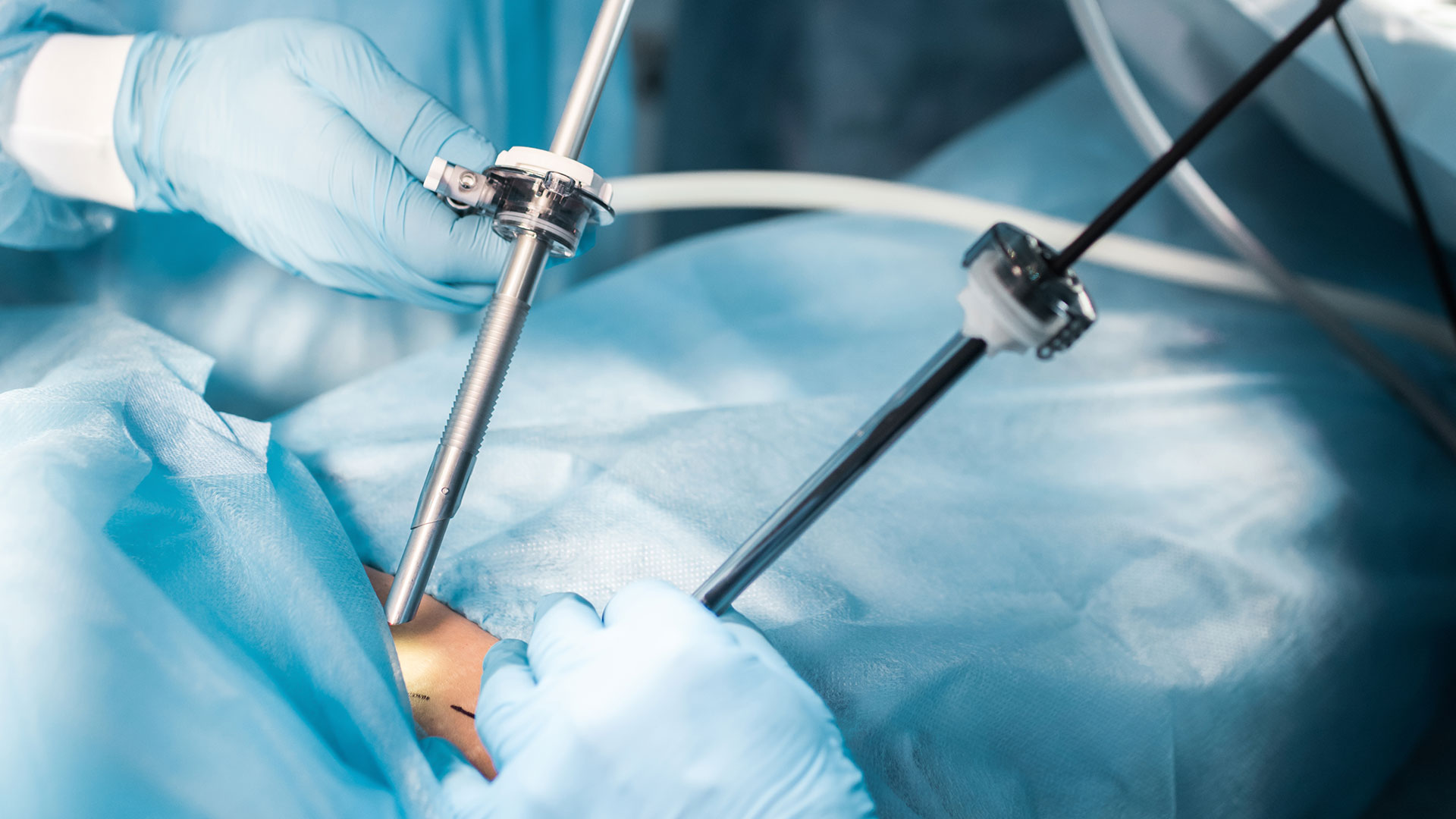
Decortication is a major chest operation. It is usually considered when pleural scarring, infection, or trapped lung is serious enough that simpler treatments are unlikely to work. The aim is to help the lung expand and improve breathing, but the risks must be weighed carefully.
Recovery time varies. Many patients need several days in the hospital and several weeks of recovery at home. An open thoracotomy usually takes longer to recover from than VATS. Your surgeon will advise when you can return to work, exercise, and normal activities.
The purpose is to remove thick scar tissue or a fibrous peel from around the lung. This helps the lung re-expand, improves breathing, clears infection or organised fluid, and reduces the chance of a persistent pleural space.
Conditions that may require lung decortication include chronic empyema, trapped lung, fibrothorax, chronic haemothorax, tuberculosis-related pleural scarring, and selected pleural tumours. Not every patient with these conditions needs surgery.
VATS decortication may mean smaller incisions, less pain, and faster recovery in selected patients. Open decortication may be better for thick scarring, advanced infection, or complex diseases. The best approach depends on the patient and the pleural condition.
Decortications can reduce the risk of an ongoing trapped lung, persistent infection, or recurrent infection of the pleural space in suitable patients. It may not prevent recurrence if the underlying cause, such as cancer or chronic inflammation, remains active.
DISCLAIMER: The information provided on this website is for general informational purposes only and is not intended as a substitute for professional medical advice, diagnosis, or treatment. The use of this website does not create a doctor-patient relationship and no medical advice should be inferred or assumed. It is the user’s sole responsibility to seek the advice of their healthcare professionals for any medical concerns they may have and the user should not disregard, or delay, prompt medical advice for any such condition.
Read our latest insights on lung diseases and chest conditions, including prevention tactics, treatments, and more.
Gleneagles Medical Centre
6 Napier Road
#02-09 Gleneagles Medical Centre
Singapore 258499
Mount Alvernia Hospital
820 Thomson Road
#06-07 Medical Centre A
Singapore 574623