A lung biopsy is often the most reliable way to confirm a diagnosis when imaging tests can’t provide a clear answer. It is a medical procedure in which a surgeon makes a small incision to remove a small piece of lung tissue for laboratory testing and analysis. The tissue sample is examined under a microscope to detect infections, inflammatory conditions, or abnormal tissue and cancerous changes. While a chest X-ray or computed tomography (CT) scan is a useful initial test for detecting nodules, it can’t always distinguish benign conditions, infections and malignant tumours.
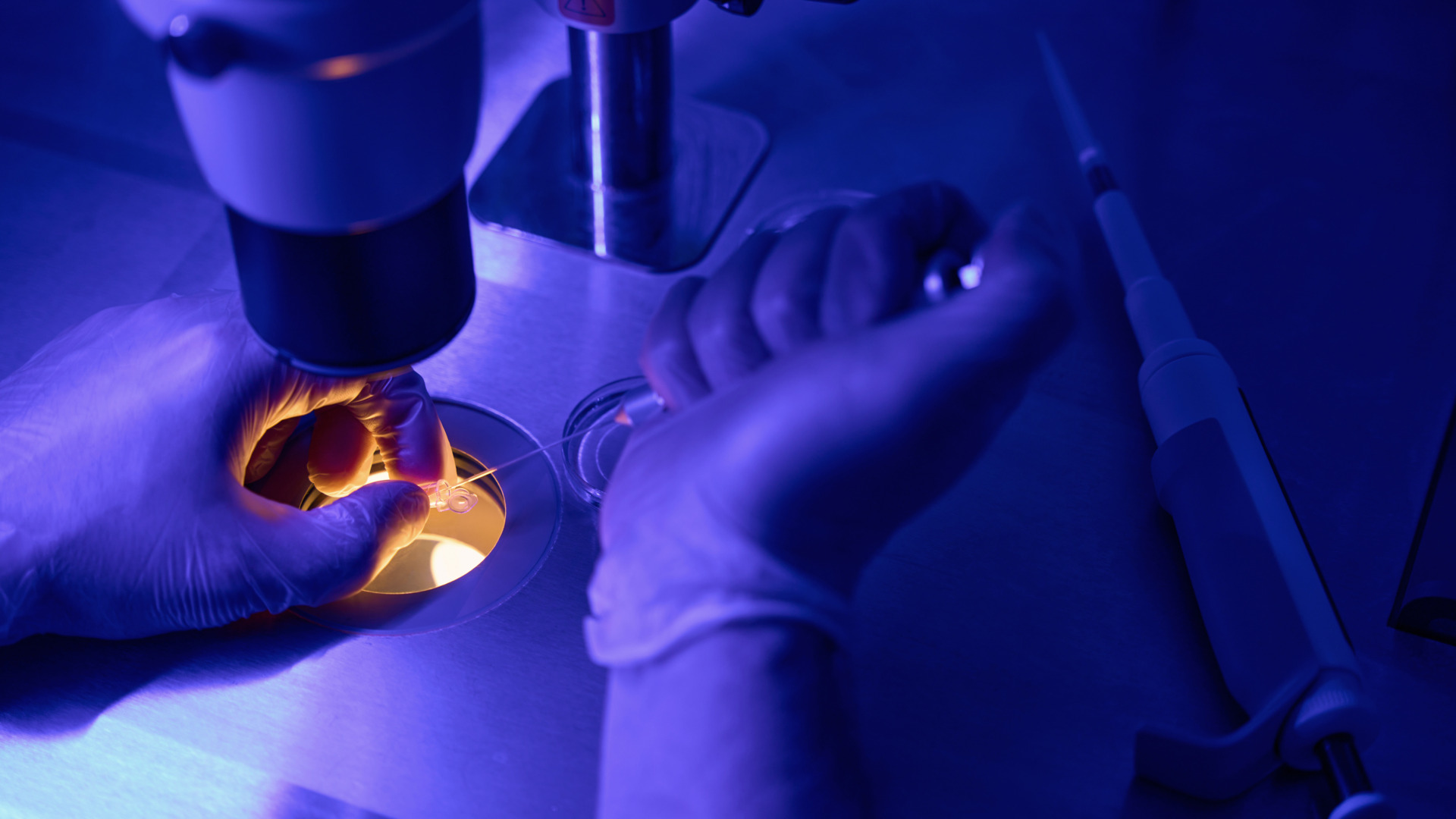
A lung biopsy is performed to determine whether an abnormality seen on imaging is benign, infectious, inflammatory or cancerous. There are several reasons why your specialist may recommend this test. Among the most common are:
Early and accurate results from a lung biopsy can lead to earlier intervention, more targeted treatment, and improved patient outcomes.
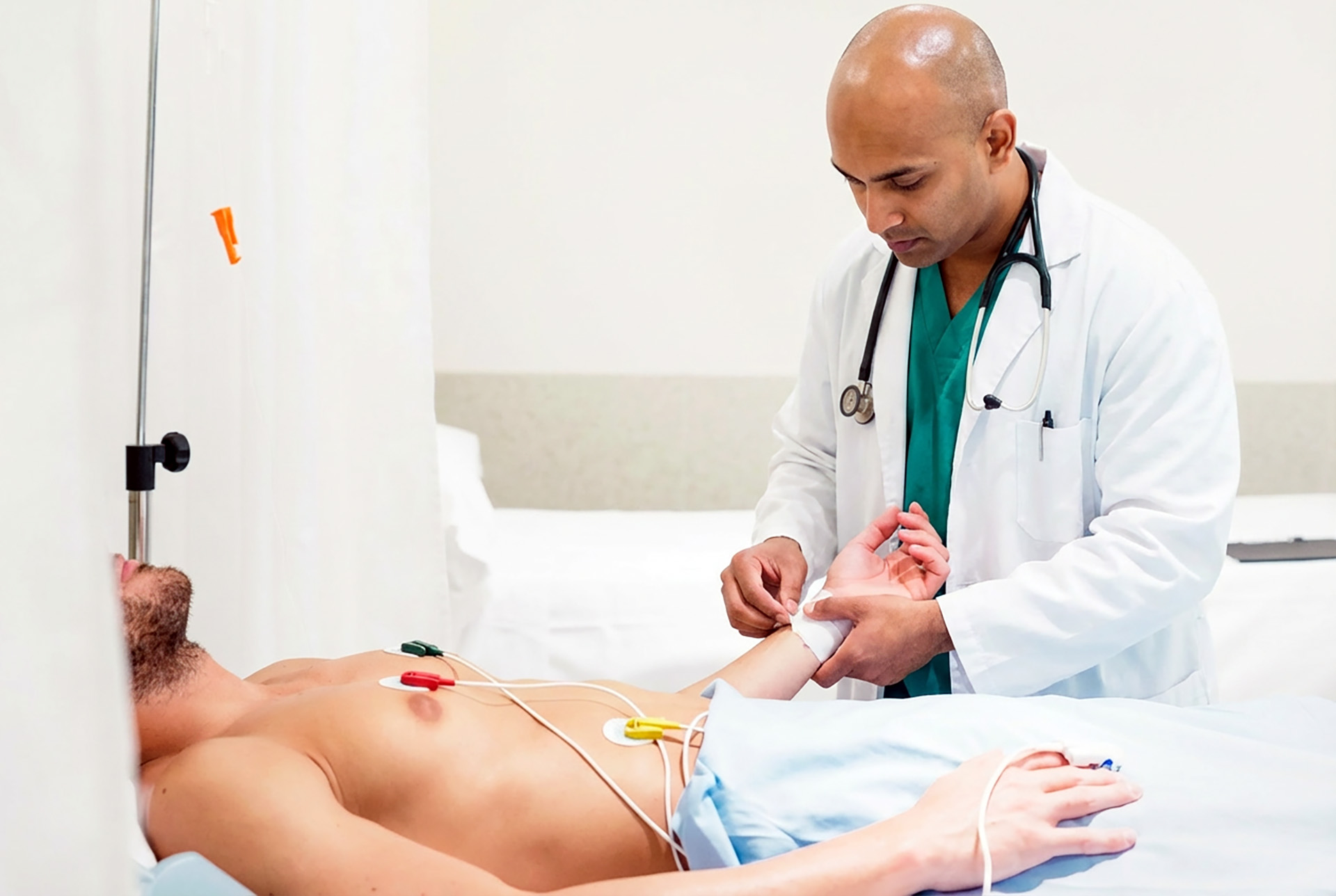
Not all lung biopsy procedures are the same. The main types of lung biopsy are bronchoscopic, needle, thoracoscopic, robotic-assisted, and open surgical. The technique used depends on the size and location of the abnormality, as well as the patient’s overall health.
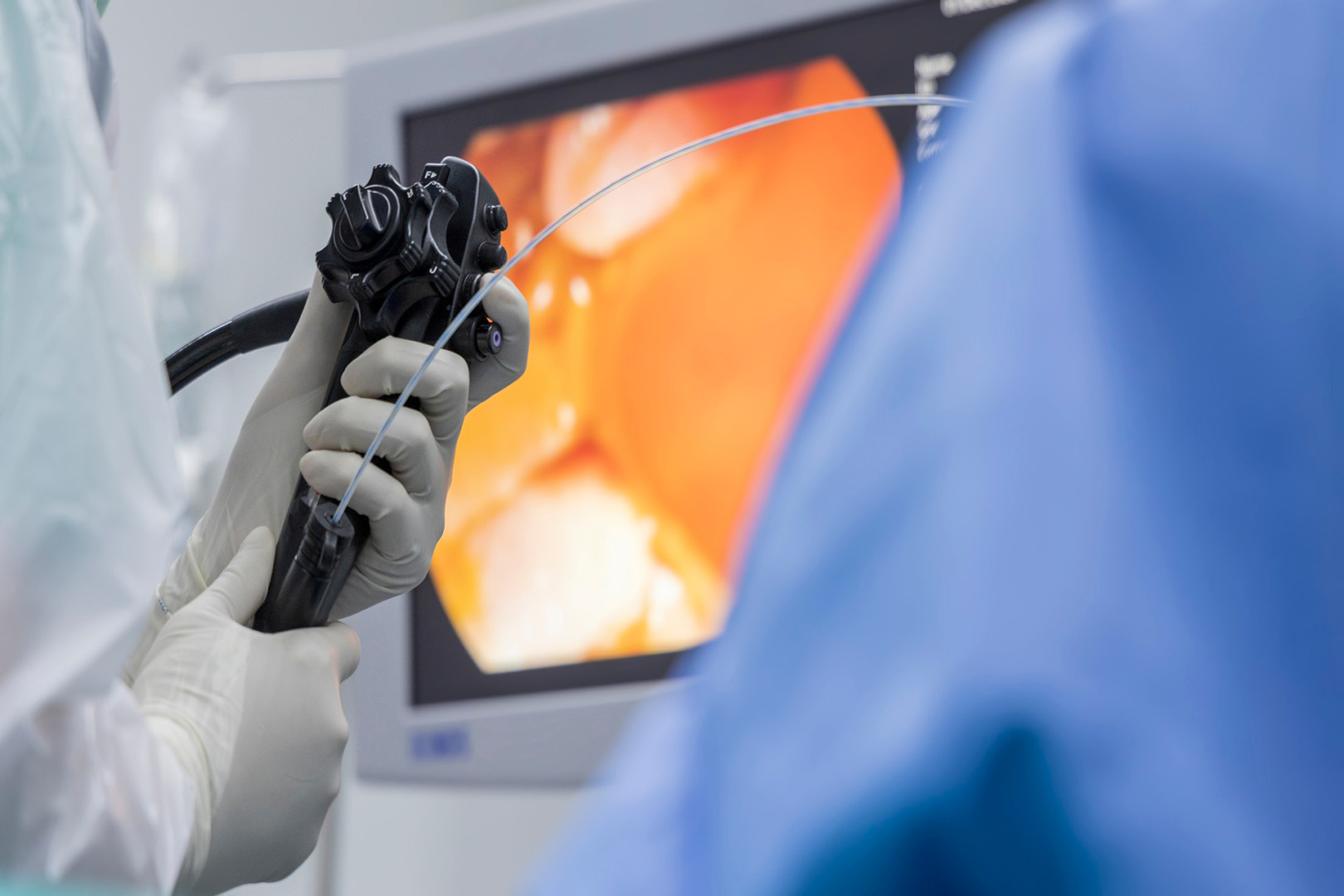
A bronchoscope is a thin, flexible tube that reaches a suspicious area and is inserted through the mouth or nose, down into the lungs. Using a small camera and tiny tools, the surgeon can remove samples and collect tissue from the airways or nearby tissues. This is a minimally invasive procedure and is often used for lesions near the larger airways.
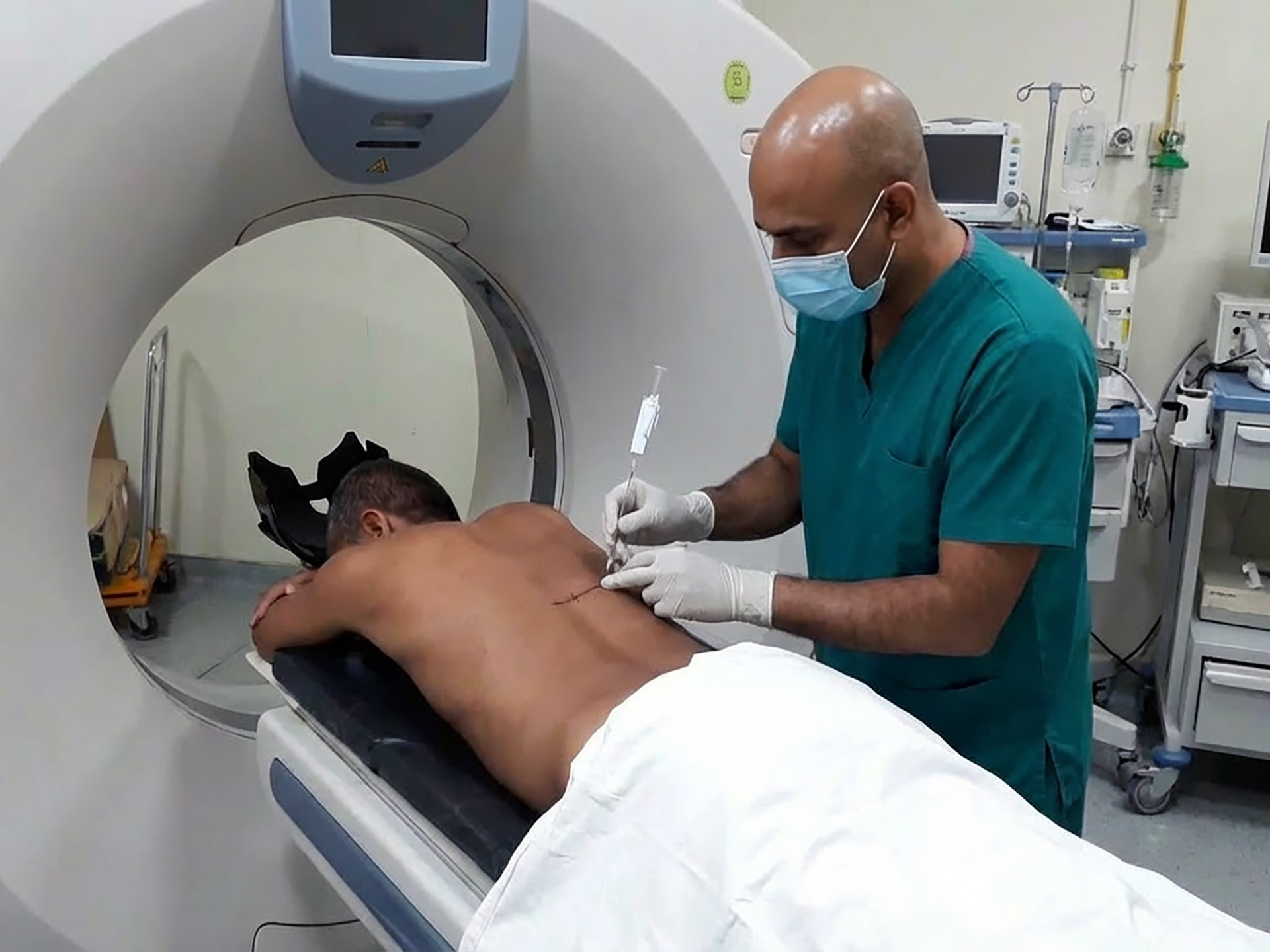
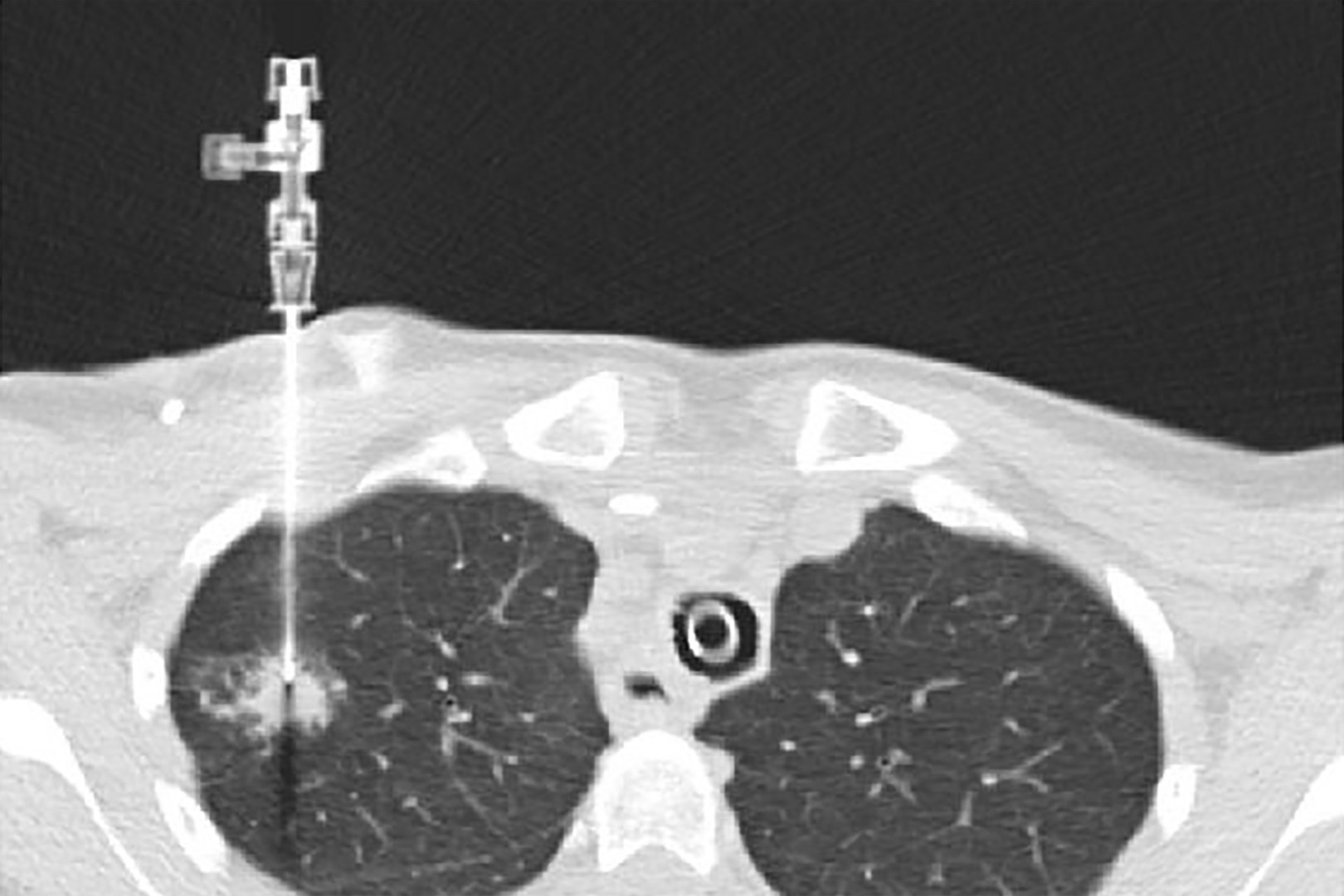
Also known as a transthoracic needle aspiration, a CT-guided lung biopsy involves the doctor inserting a thin needle through the skin and chest wall into the lung, guided by CT imaging. The skin is numbed first. The doctor inserts the needle until it reaches the nodule, and a thin-needle core biopsy may collect more tissue. This lung needle biopsy is typically performed under local anaesthetic to evaluate nodules in the outer parts of the lung. Most patients feel only a pushing sensation rather than sharp pain, and the small sample is enough tissue for testing.
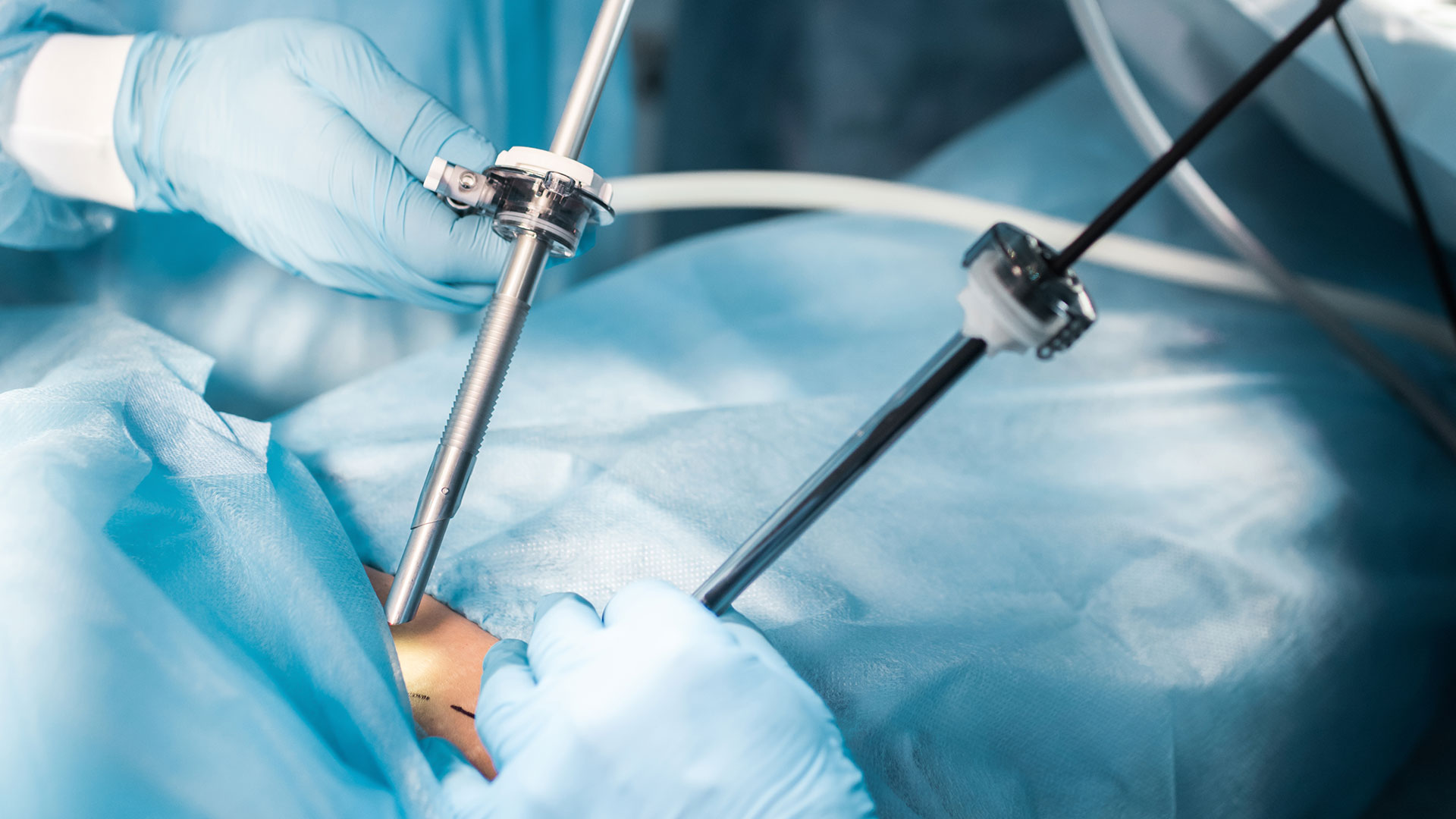
Video-Assisted Thoracoscopic Surgery (VATS) is a minimally invasive surgical approach that utilises small incisions, a video monitor and camera to remove tissue samples under general anaesthesia. This surgical method offers high accuracy, allowing the surgeon to view the lung directly, making it a suitable option for more complex cases.
Robotic-Assisted Thoracic Surgery (RATS) is used to provide more precision. Guided by the doctor, the surgeon controls robotic instruments that can reach deep-seated lesions with high accuracy, often improving results.
In rare cases, when less invasive methods are not suitable, an open lung biopsy may be needed. This involves a larger incision in the chest wall, usually under general anaesthesia. Your doctor will walk you through how to prepare for an open surgical biopsy.
For a small lung nodule near the outer edge of the lung that is difficult to see or feel, surgeons at Neumark use preoperative localisation techniques to mark the lung nodule before removal. These include injecting methylene blue dye or indocyanine green (ICG) fluorescence to highlight the nodule, or placing a CT-guided hookwire or microcoil as a physical marker. These techniques may improve the accuracy of the lung biopsy procedure, help obtain a good tissue sample, and reduce the amount of healthy tissue removed.
You should see a thoracic surgeon if:
A thoracic surgeon, such as Dr Harish Mithiran of Neumark Lung & Chest Surgery Centre, can assess which sampling approach is most suitable for your nodule’s size, location and overall health, and can perform the procedure using the least invasive method appropriate for your case.
When lung cancer is suspected, sampling not only confirms the presence of cancer cells but also determines the type and stage of the cancer. This is important because treatment varies between small-cell and non-small-cell lung cancers. Molecular testing on the samples may also reveal genetic mutations, which the doctor uses to guide targeted therapies.
Before a lung biopsy procedure, your care team and healthcare provider will take a detailed medical history, review your medications, and perform blood tests to support safe healing and minimise your risks.
You may be advised to stop certain medications like blood thinners to reduce the risk of bleeding, and you will typically be asked to fast for 4 to 6 hours before the test. Your doctor will explain what to expect on the day, including whether you may feel pain, to help ease anxiety and prepare you for recovery. Arrange for someone to drive you home after the procedure.
Complications from a lung biopsy are uncommon, and most are treatable when they occur. While lung biopsy procedures are generally safe, there are risks as with any medical procedure. These may include:
Recovery from a lung biopsy depends on the type of biopsy performed.
Good lung biopsy aftercare includes keeping the skin and wound clean and dry, taking pain relief as prescribed, walking regularly to support your breathing, and attending your follow-up appointment. Seek medical attention promptly if you develop fever, worsening breathlessness, severe chest pain, or begin coughing up more than small streaks of blood.
The lung biopsy results typically take a few days to a week. The pathology report will indicate whether the tissue is benign, cancerous, infected, or inflamed.
Choosing the right centre for your lung biopsy procedure can make a significant difference. A specialist thoracic surgery centre, such as Neumark Lung & Chest Surgery Centre, offers:
A lung biopsy is a key diagnostic tool for identifying and treating lung diseases and other lung conditions. It gives you clarity to make the right care decision for you, whether it’s a benign nodule, infection, or a more serious condition like lung cancer.
At Neumark, we provide compassionate, precise and advanced care led by Dr Harish Mithiran, senior consultant thoracic surgeon at Gleneagles and Mount Alvernia hospitals. If you or a loved one has been recommended a lung biopsy, book a consultation. Our team of thoracic specialists will guide you every step of the way, ensuring you feel informed, supported, and cared for throughout the entire process.