Hearing the words ‘lung cancer’ can be scary. However, if detected early, treatment outcomes are much better. As a common cancer, lung cancer is especially significant in Singapore, where it is the 3rd most common cancer among both men and women. But with increased awareness, improved imaging, and advanced surgical techniques, we can detect and treat the disease earlier than ever.
Stage 1 lung cancer is when patients have the best chance of a full recovery, especially when guided by a specialist lung cancer doctor and team, such as those at Neumark Lung & Chest Surgery Centre.
What Is Early-Stage 1 Lung Cancer?
Lung cancer occurs when normal lung cells become abnormal cells, which then grow out of control, form a tumour and lead to the development and progression of the disease. Stage 1 lung cancer means the cancer is confined to the lungs and has not spread to the nearby lymph nodes or other organs.
Knowing how to detect Stage 1 lung cancer early is crucial as it improves treatment outcomes and long-term survival. Stage 1 is further divided into two subcategories: Stage 1A, where the tumour is less than 3 cm, and Stage 1B, where the tumour is 3-4 cm, or has grown slightly into the surrounding lung tissue.
Types of Lung Cancer
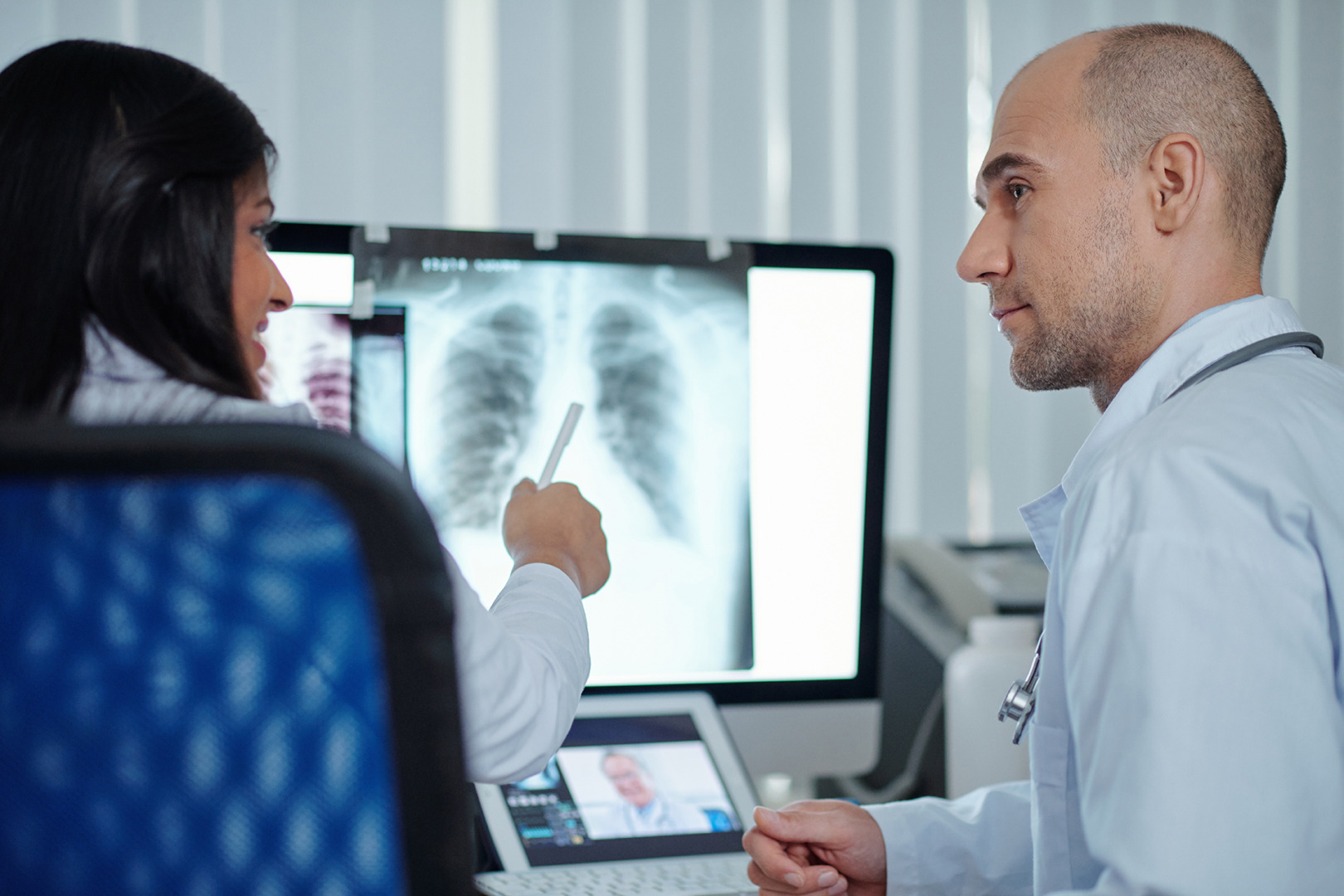
Lung cancer is not a single disease but a group of cancers that start in the lungs, each with its own characteristics and treatment approaches. The two main types are non-small cell lung cancer (NSCLC) and small cell lung cancer (SCLC). Non-small cell lung cancer is the most common, accounting for about 85% of lung cancer cases. It includes subtypes such as adenocarcinoma, squamous cell carcinoma and large cell carcinoma. Small-cell lung cancer, though less common, is known for its rapid progression and strong association with cigarette smoking.
Knowing the types of lung cancer is important as it affects the symptoms a patient may experience and the treatment plan recommended by doctors. For example, squamous cell carcinoma often develops in the central part of the lungs and may cause different lung cancer symptoms compared to other types of cancer. Small-cell lung cancer tends to spread fast and may require more aggressive treatment. Non-small cell lung cancer grows more slowly and has more treatment options.
Knowing the type of lung cancer helps guide decisions on surgery, chemotherapy, targeted drug therapy and other interventions to ensure the best approach for each individual.
Causes and Risk Factors
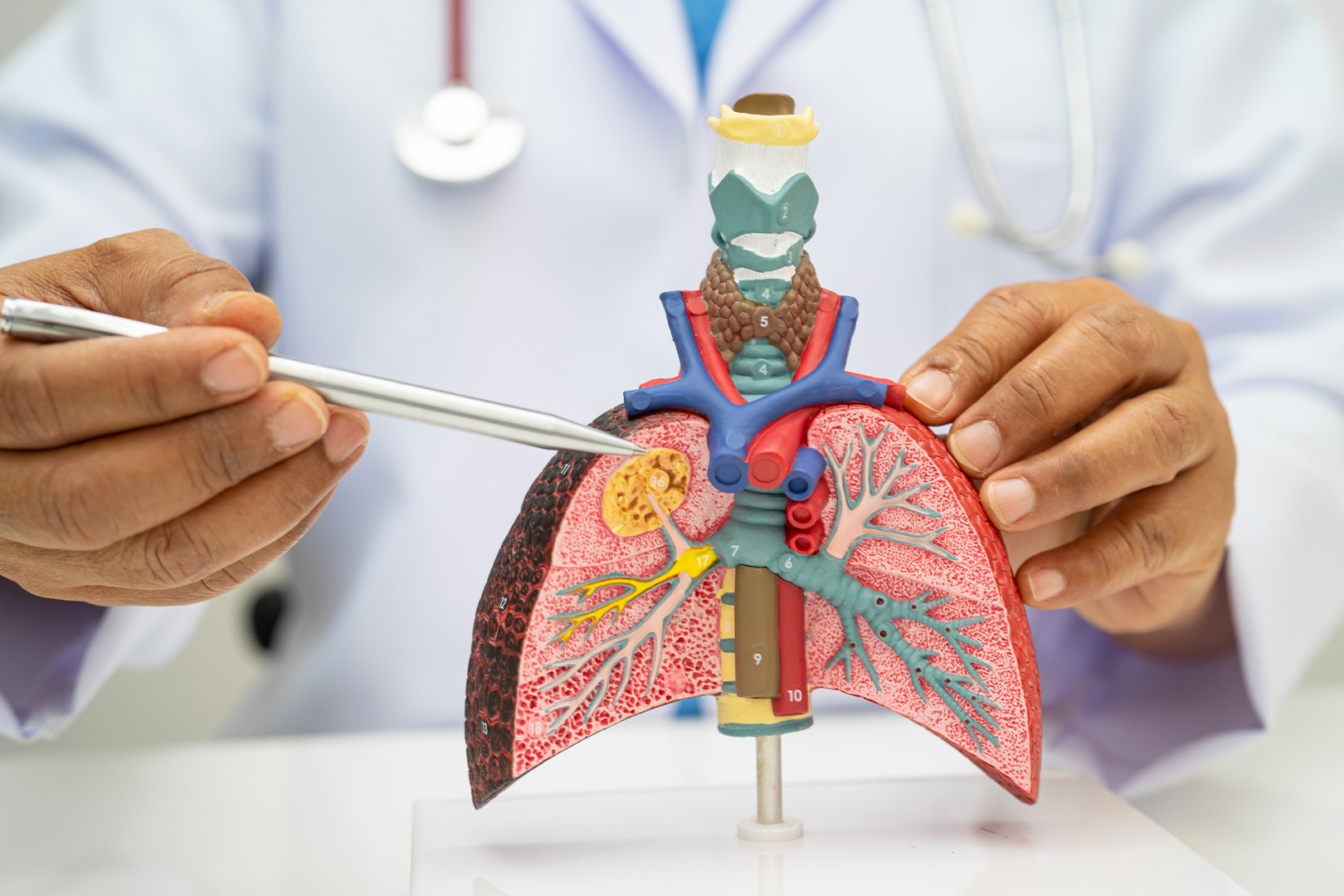
Tobacco smoke is the leading cause of lung cancer. Both active smoking and second-hand exposure increase the risk. Second-hand smoke not only increases the risk of lung cancer but also damages blood vessels, which can lead to heart disease and stroke. Quitting smoking can reduce your risk of developing lung cancer and improve your overall health.
However, not all patients with lung cancer are smokers. Stage 1 lung cancer is increasingly being diagnosed in non-smokers, especially women.
Environmental exposures also play a role. Long-term exposure to asbestos, radon, and air pollution can cause lung damage. A family history of lung cancer may increase your risk, especially if close relatives were diagnosed at a younger age. Age itself is a factor. Most lung cancer cases occur in individuals above 65. Occupations that involve the inhalation of dust, fumes or chemical agents may also increase the risk.
Stage 1 Lung Cancer Symptoms
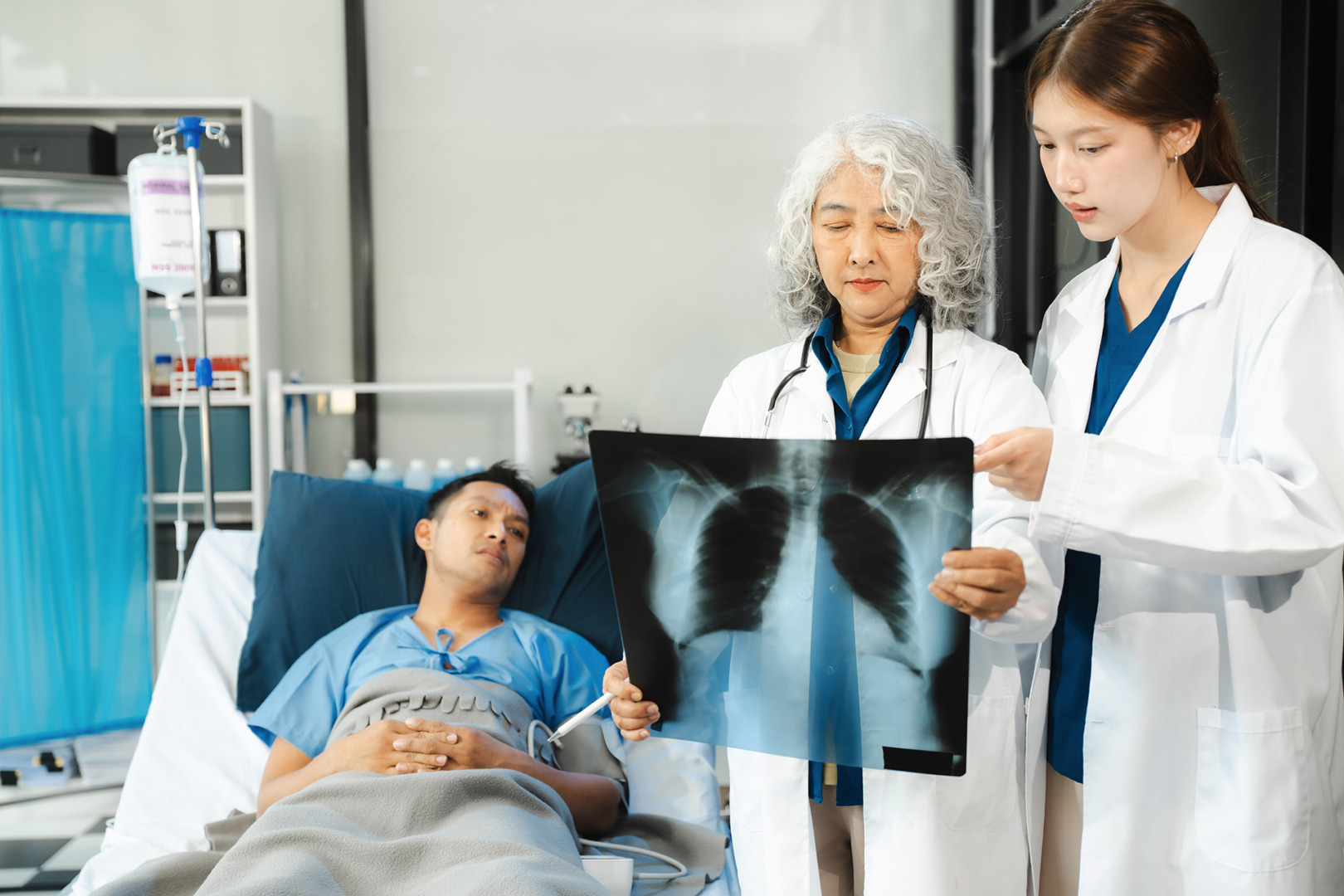
One of the challenges of Stage 1 is the absence or subtlety of lung cancer symptoms. In many cases, it is found incidentally during a scan for another condition. When symptoms do appear, they are often mild. A persistent cough that doesn’t go away, slight breathlessness, mild chest discomfort, chest pain, unexplained fatigue, or unexplained weight loss may be early indicators of lung cancer.
However, these symptoms are not exclusive to lung cancer, which is why they are often overlooked or attributed to less severe causes. If you experience any respiratory changes, especially if you are at higher risk, it’s wise to consult a lung specialist.
Stage 1 Lung Cancer Diagnosis
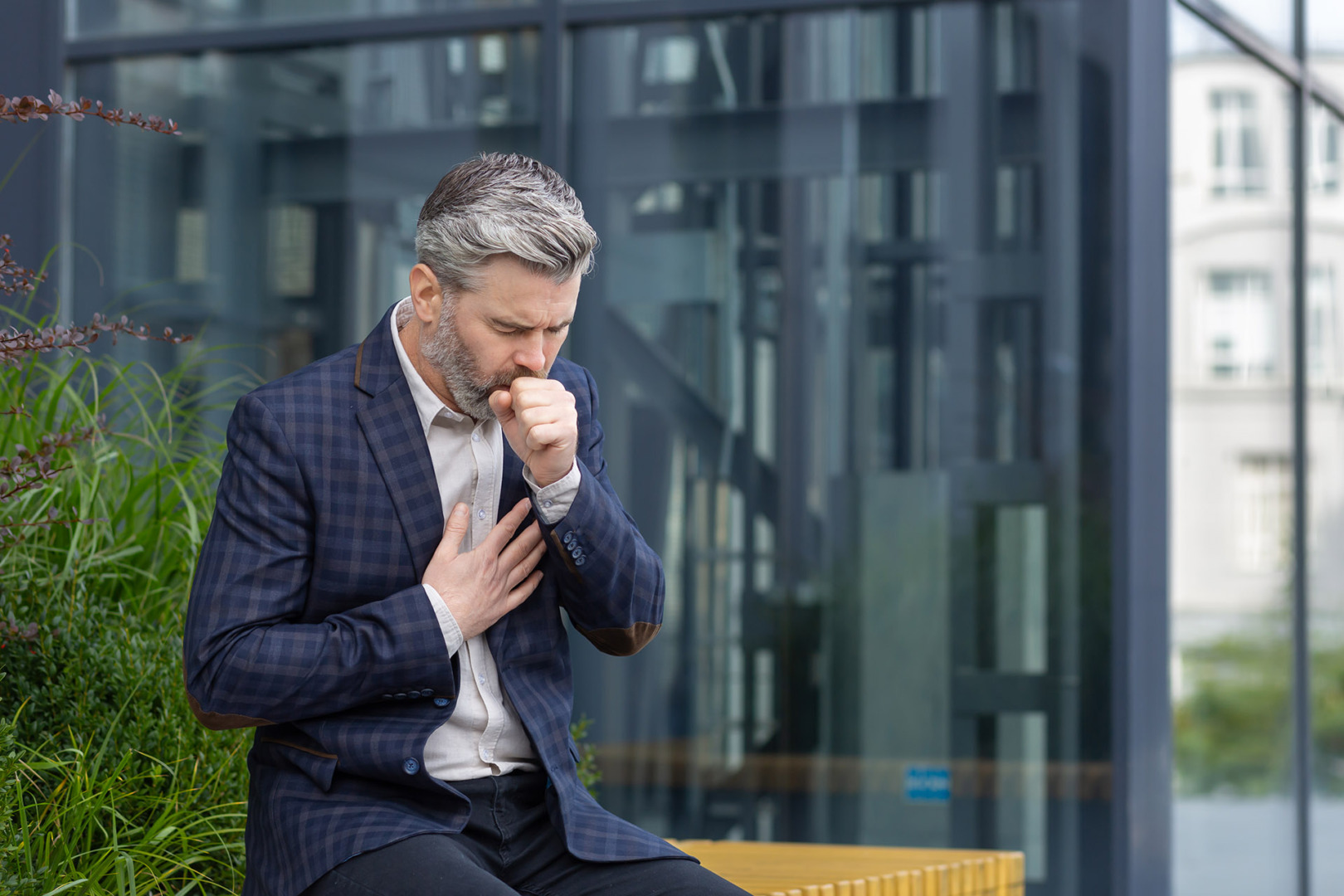
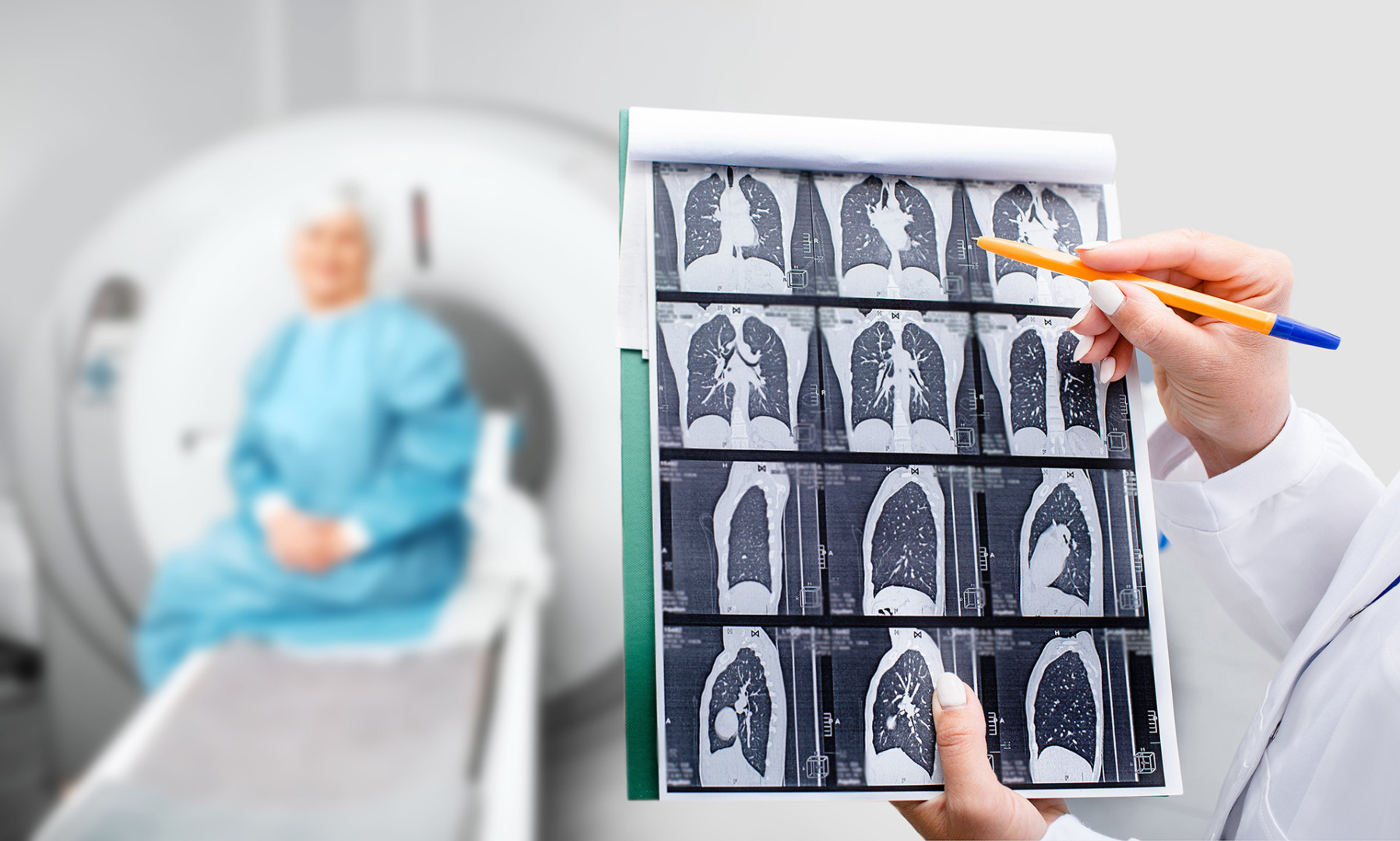
A low-dose CT scan is the gold standard for lung cancer screening as it can detect small nodules in the lungs before symptoms arise. Most insurance plans cover the cost of a low-dose CT scan.
If a suspicious lesion is identified, further imaging, such as a chest X-ray, high-resolution CT scan, or PET scan, may be ordered to assess the tumour’s size and position.
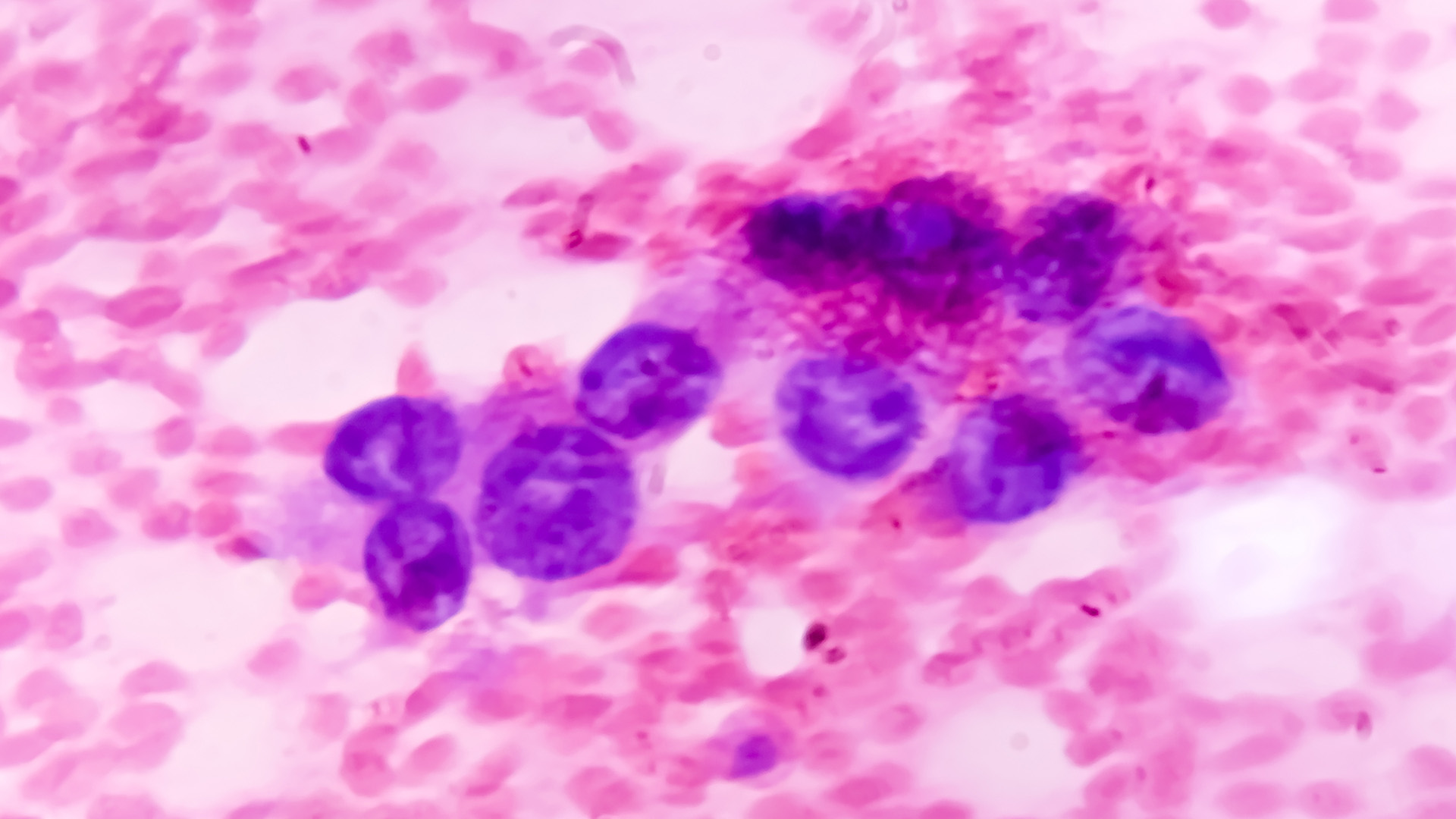
A definitive diagnosis requires a biopsy. This may be done via bronchoscopy, in which a small camera is inserted through the airway, or via needle biopsy guided by imaging. Once the tissue is obtained, it is analysed to confirm the cancer type and, if necessary, its genetic profile.
Staging investigations are done to ensure the cancer is localised. This helps determine if it’s truly Stage 1 lung cancer and guides the development of the best treatment plan for the patient. Further tests may be needed to assess the extent and spread of the disease for accurate staging.
Blood tests are also done to evaluate a patient’s overall health and suitability for treatment.

Cancer Spread and Metastasis
Lung cancer can spread beyond its original site, in a process known as metastasis. This occurs when cancer cells break away from the primary tumour and travel through the bloodstream and/or lymphatic system to other parts of the body. Common sites for metastatic lung cancer are nearby lymph nodes, liver, adrenal glands, bones and the brain. When lung cancer spreads to these areas, it’s considered advanced, and the treatment can be more complex.
Managing metastatic lung cancer often requires a combination of therapies to kill cancer cells and prevent further spread. Treatment options may include targeted therapy, radiation therapy and chemotherapy, each tailored to the specific characteristics of the cancer and the organs involved.
Early detection and timely treatment are key, as they can limit the spread of lung cancer and improve survival rates. Regular monitoring and imaging tests are crucial for early detection of metastasis, enabling prompt intervention and optimal outcomes.
Stage 1 Lung Cancer Treatment
The best treatment for Stage 1 lung cancer is the surgical removal of the tumour. Treatment is always individualised to the patient, taking into account the tumour size, location and the patient’s overall health and lung function.
There are several surgical options for Stage 1 lung cancer. The choice depends on tumour characteristics and patient health. A wedge resection involves the removal of a small, triangular piece of lung tissue. A segmentectomy removes a slightly larger piece, while a lobectomy removes one of the lung’s lobes and is the most common approach for early-stage cancer.
Surgical resection is the standard of care, and lung-sparing techniques are increasingly used to preserve healthy tissue. Before surgery, our patients undergo breathing tests and cardiac evaluations to ensure they can safely tolerate the procedure. Preserving the lung’s normal function is a key goal during surgery to maintain the patient’s respiratory capacity.
Minimally Invasive Procedures
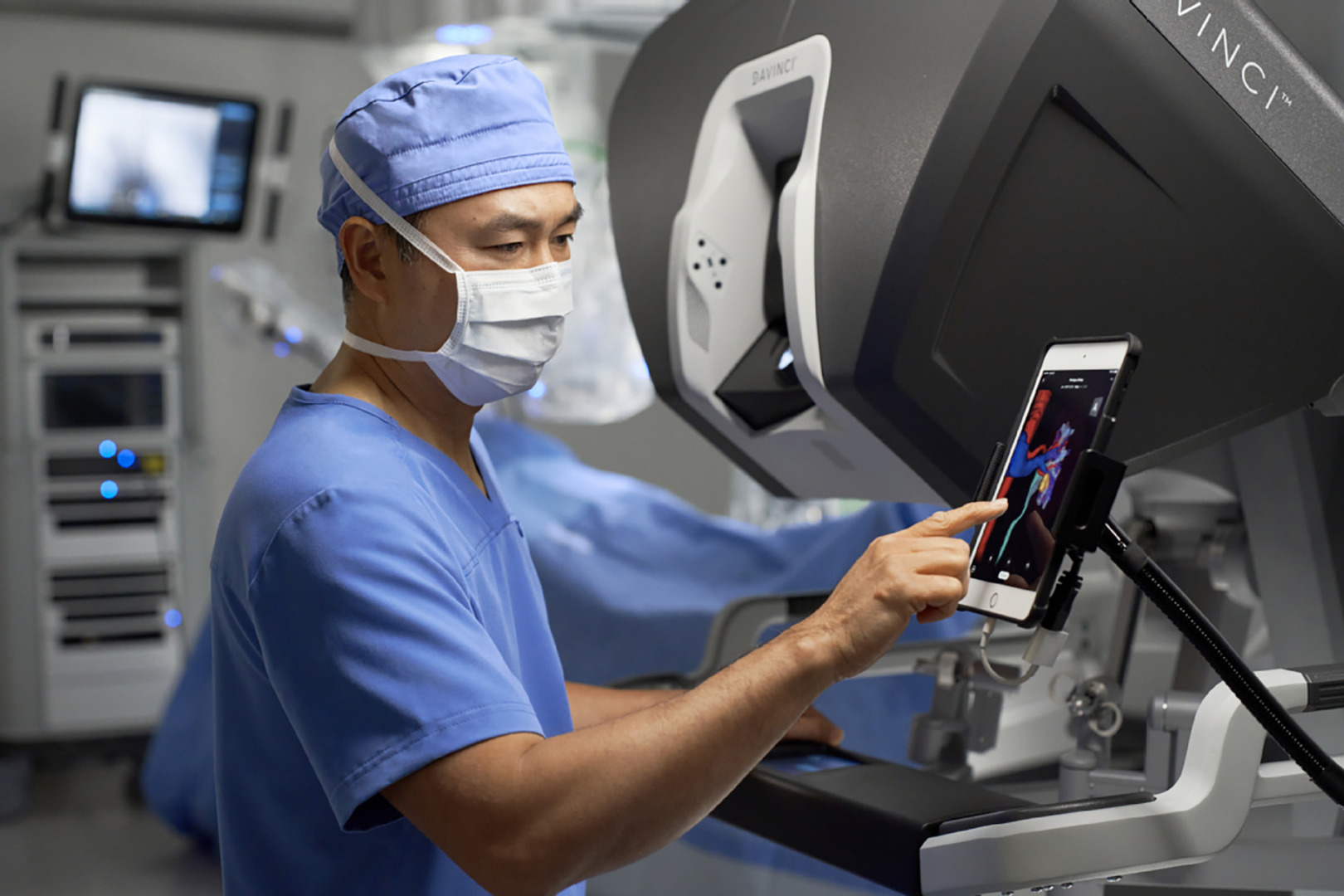
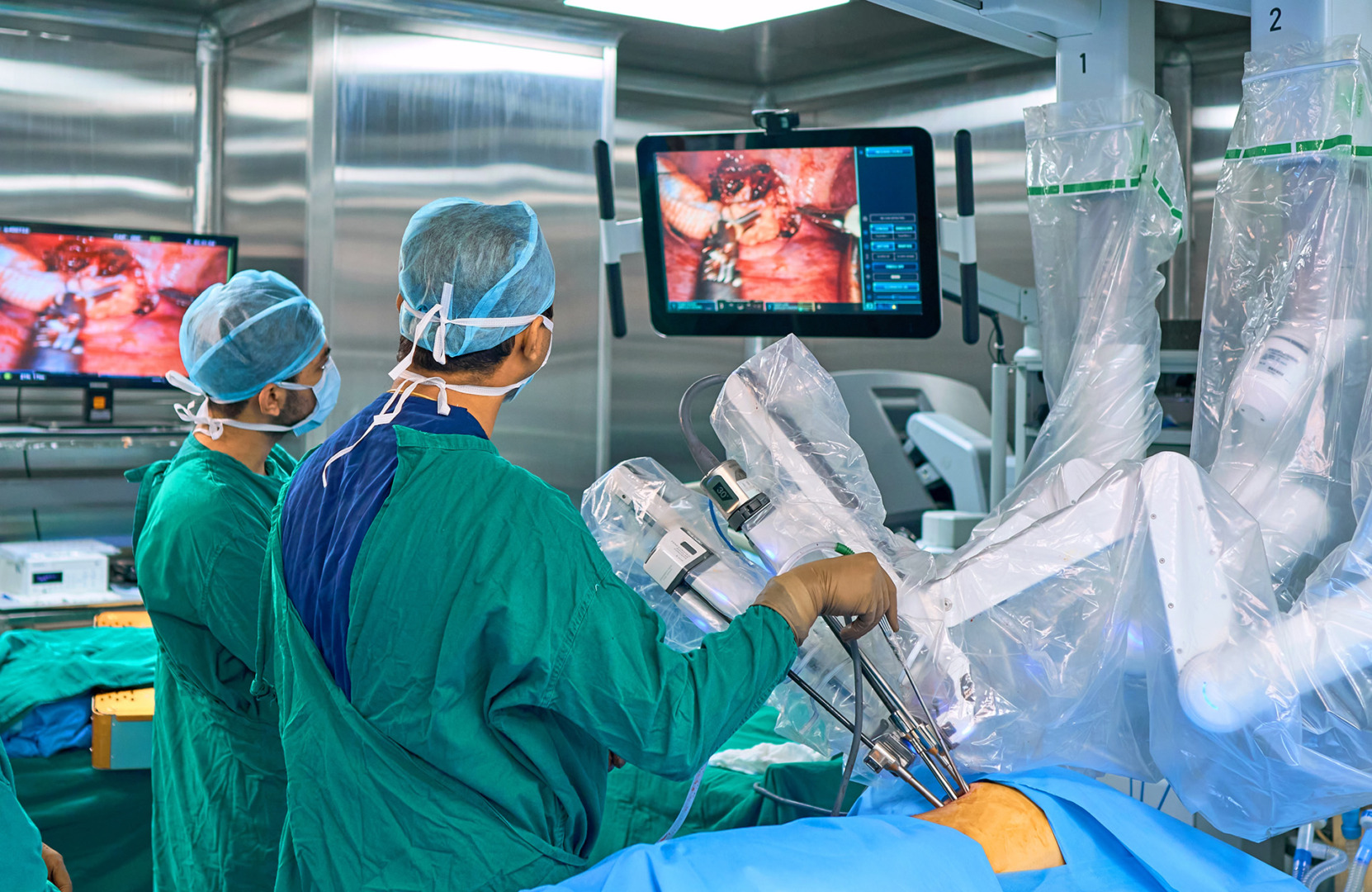
Minimally invasive methods for lung resections are preferred when possible. Video-Assisted Thoracoscopic Surgery (VATS) enables surgeons to operate through small incisions using a camera, reducing the need for open surgery. Robotic-Assisted Thoracic Surgery (RATS) provides greater precision, with robotic arms controlled by the surgeon.
The benefits of minimally invasive surgery are significant. Patients experience less pain after surgery, shorter hospital stays, faster recoveries and fewer complications. Importantly, studies have shown that these techniques provide cancer control outcomes equal to or better than open surgery, especially for early-stage lung cancer.
At Neumark, our surgeons are highly experienced in VATS and robotic-assisted procedures, ensuring patients receive the best available care.
Non-Surgical Options for Inoperable Patients
Some patients may not be suitable for surgery due to age, other medical conditions, or reduced lung function. In such cases, stereotactic body radiotherapy (SBRT) is a non-invasive alternative. This high-precision form of radiation targets the tumour with focused beams, delivering high doses while sparing healthy tissue.
SBRT is recommended for patients with Stage 1 lung cancer who cannot have surgery and have shown excellent local control rates. In select cases, adjunctive therapies, such as immunotherapy or targeted therapy, may be considered, particularly if there are concerns about recurrence or if the tumour expresses specific biomarkers.
Stage 1 Lung Cancer Prognosis and Survival Rates
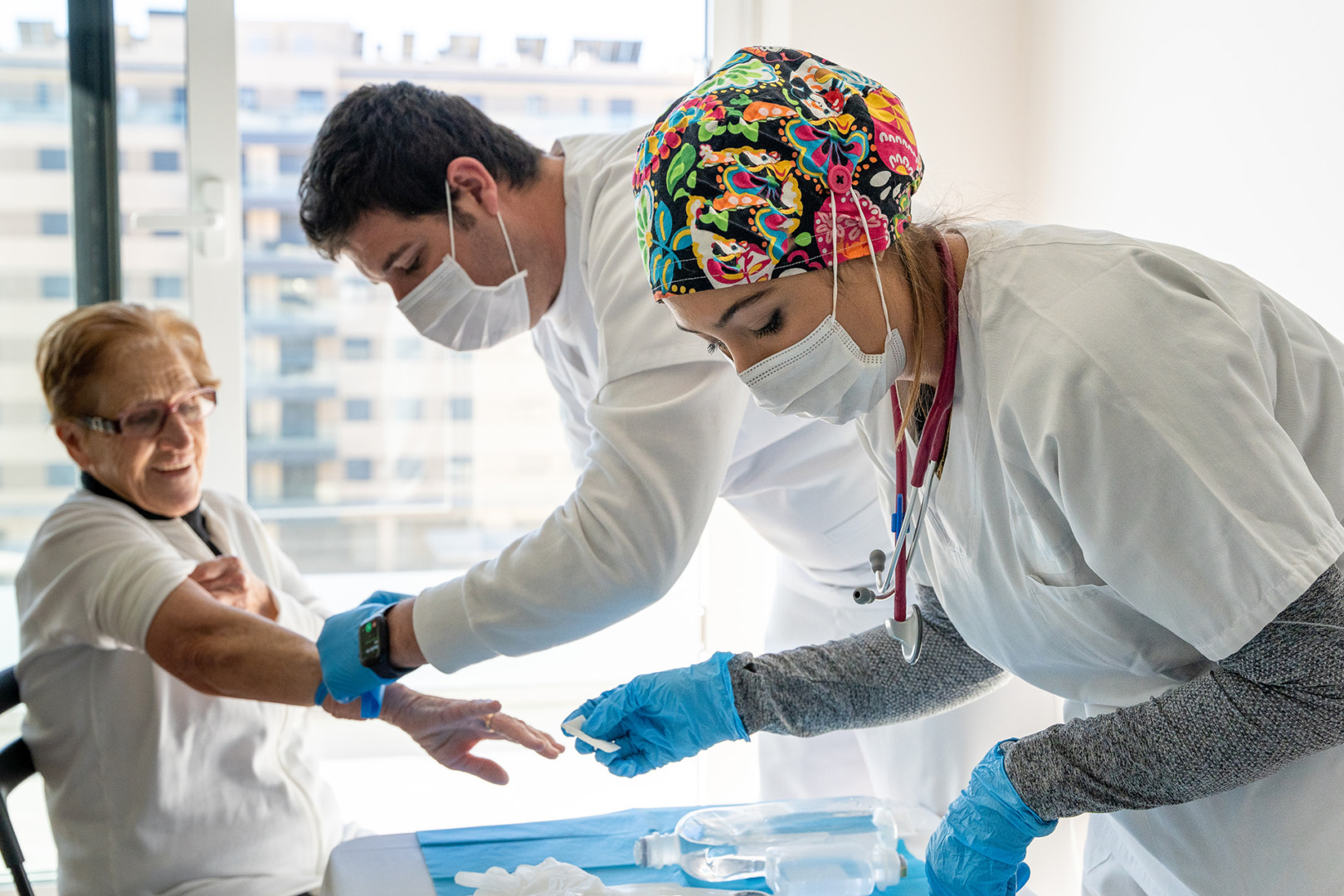
Stage 1 lung cancer survival rate is much better than for more advanced stages of lung cancer. When detected early and treated promptly, 5-year survival rates for Stage 1A can exceed 80%. For Stage 1B, it’s slightly lower but still good.
Several factors influence outcomes, including tumour size, patient age, general health and the patient’s response to treatment. This is why early detection is key, and specialist centres offer precise, personalised care.
Lung Cancer and Nutrition
Nutrition plays a crucial role in supporting the body during lung cancer treatment and in reducing the risk of lung cancer-related deaths. A balanced diet rich in fruits, vegetables, whole grains and lean proteins can help strengthen the immune system, improve energy levels, and support recovery. Foods rich in antioxidants and omega-3 fatty acids may also help prevent lung cancer and slow cancer cell growth by protecting normal cells from damage caused by harmful substances.
Working with a healthcare professional or registered dietitian can help you develop a personalised nutrition plan to support you during and after lung cancer treatment. By making healthy choices and supporting your body’s natural defences, you can improve your overall well-being and recover from lung cancer.

Coping with Lung Cancer
A lung cancer diagnosis can bring a wave of emotions from shock and fear to uncertainty about the future. Coping with lung cancer is more than just managing the physical symptoms of lung cancer. It’s also about addressing the emotional and psychological challenges that come with the diagnosis. Building a strong support network, including family, friends and a support group, can significantly impact your journey ahead.
Taking care of your mental and physical health is key. Practising self-care, like a healthy diet and regular exercise, can help boost energy and resilience. Many people find it helpful to speak with counsellors or therapists who specialise in cancer care, as they can provide guidance on coping strategies and stress management. Remember, you are not alone. Reaching out for help and sharing your feelings can provide comfort and strength as you move through the stages of a lung cancer diagnosis and treatment. Importantly, once treatment is complete, continue your follow-up scans and check-ups to ensure there is no recurrence.
Prevention and Screening
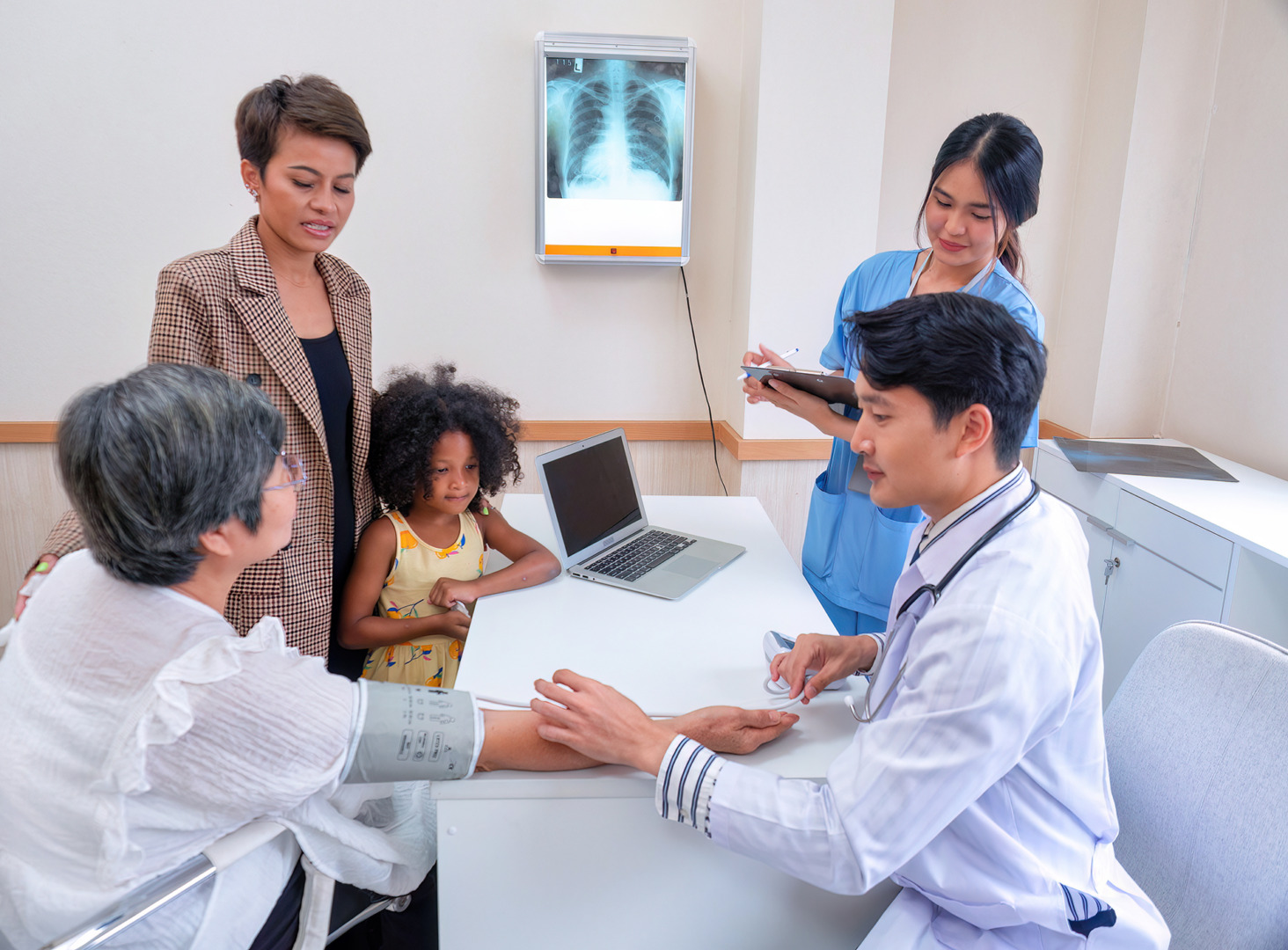
While not all lung cancers are preventable, there are clear steps to reduce risk. Quitting smoking is the most effective way to protect your lungs. Avoiding second-hand smoke and minimising exposure to harmful substances like asbestos and air pollution also helps.
For those at higher risk, like those over 50 with a history of smoking, low-dose CT screening is recommended annually. Screening enables disease detection before symptoms appear and is a powerful tool for improving survival rates. Be aware of the risk factors and symptoms, and schedule regular health checks.
Get Diagnosed Early
If you are wondering, ‘How curable is Stage 1 lung cancer? ‘ there is no uniform answer, as each case is different. With early lung cancer diagnosis and expert care, it’s highly treatable and has good outcomes. Surgery, especially minimally invasive techniques like VATS and robotic-assisted procedures, has made what was once a high-risk operation a safer and more comfortable experience with long-term results.
At Neumark Lung Cancer Treatment Centre, we offer personalised, state-of-the-art care for patients with lung cancer. If you or a loved one has been diagnosed with Stage 1 lung cancer or is at risk and needs guidance, our team is here to help.
Contact us today to schedule a consultation and learn how we can help with early detection and provide minimally invasive treatments for Stage 1 lung cancer in Singapore.