
Lung carcinomas represent a significant public health challenge, causing ongoing concern among medical professionals due to their association with cigarette smoking, which was conclusively identified as the primary cause in patients.
While there has been a gradual decline in smoking rates in developed countries, this progress is tempered by several issues, including a still significant number of smokers in Singapore. The daily smoking rate in Singapore decreased from 10.6% in 2019 to 9.2% in 2022.
How Large Cell Carcinomas Are Typically Discovered
Lung cancer is often detected on chest X-ray when patients present with other symptoms, such as cough, chest pain, or shortness of breath; the X-ray may also be used to assess heart size, detect infections such as pneumonia, and identify fractures.
When initial imaging raises the suspicion of cancer, our surgeons often recommend a lung biopsy for precise lesion identification. Large cell carcinoma, distinguished as a unique subtype of non-small cell lung cancer (NSCLC), is diagnosed through a meticulous process of elimination. This diagnosis is characterised by large cells arranged in sheets or clusters, with prominent nuclei and abundant cytoplasm. Large-cell carcinoma lacks the specific markers seen under the microscope, and the markers identified by special stains define other common types of lung cancers, such as adenocarcinoma or squamous cell carcinoma.
This specific type of NSCLC is diagnosed in a small percentage (1% to 3%) of lung cancer patients. These tumours behave similarly to adenocarcinomas. They often present as peripherally located lung masses, although they tend to be larger than adenocarcinomas.
To firmly rule out other types of lung cancer and diagnose large cell carcinoma, a comprehensive examination of a larger tissue sample from surgery is required. A small biopsy or cell sample may not provide sufficient information to definitively exclude other cancer types.
Small Cell Carcinoma vs Large Cell Carcinoma vs Adenocarcinoma
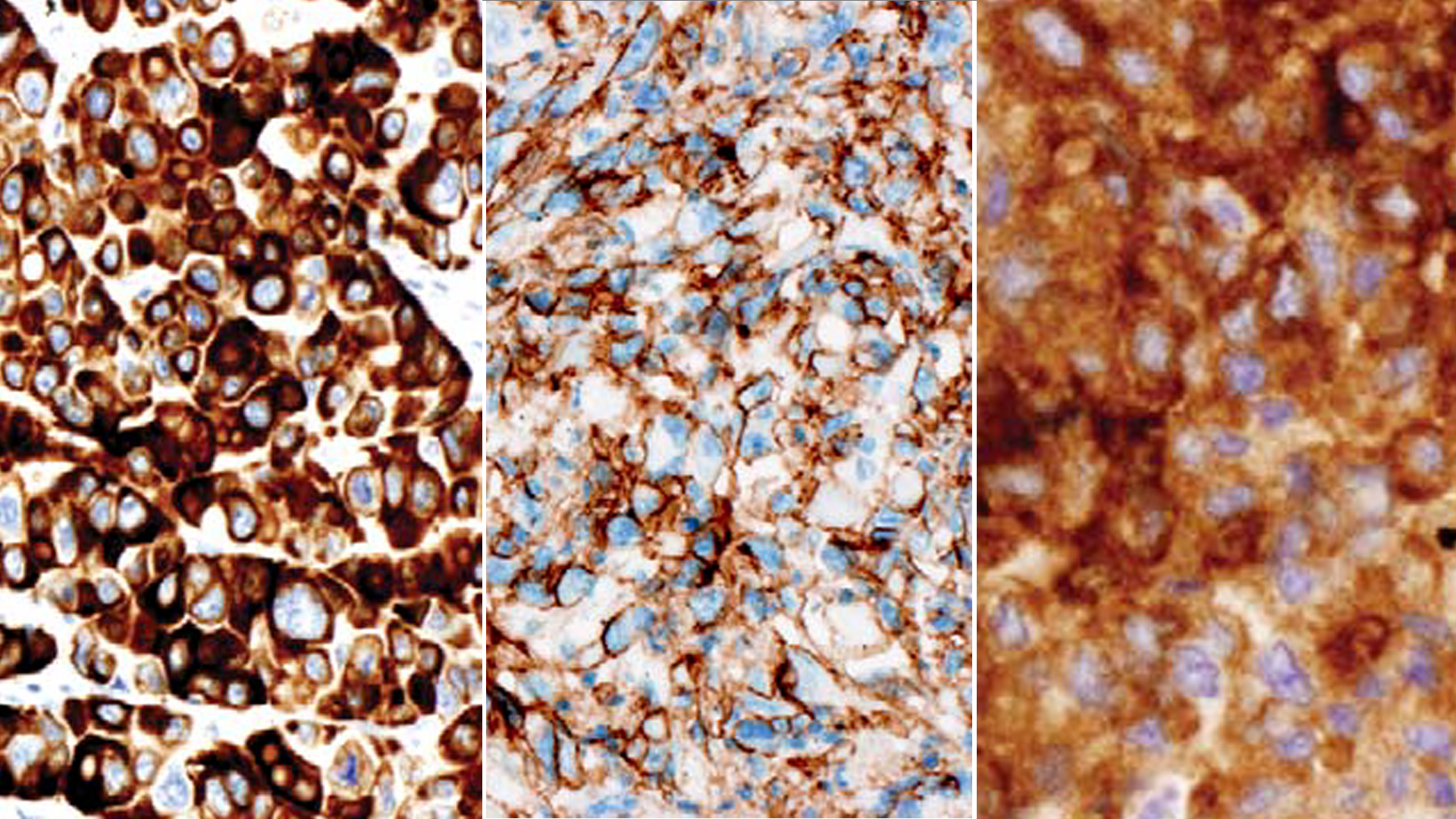
Large cell carcinoma is an aggressive type of non-small cell lung cancer (NSCLC) that cannot be categorised as adenocarcinoma, squamous cell carcinoma, or small cell carcinoma based on its large, poorly defined cells in lung tissue, chemical staining characteristics, or immune staining patterns. It’s known for its rapid growth and spread to other parts of the body, often making lung cancer treatment more challenging.
VATS or RATS for Large Cell Carcinoma Lung Biopsy
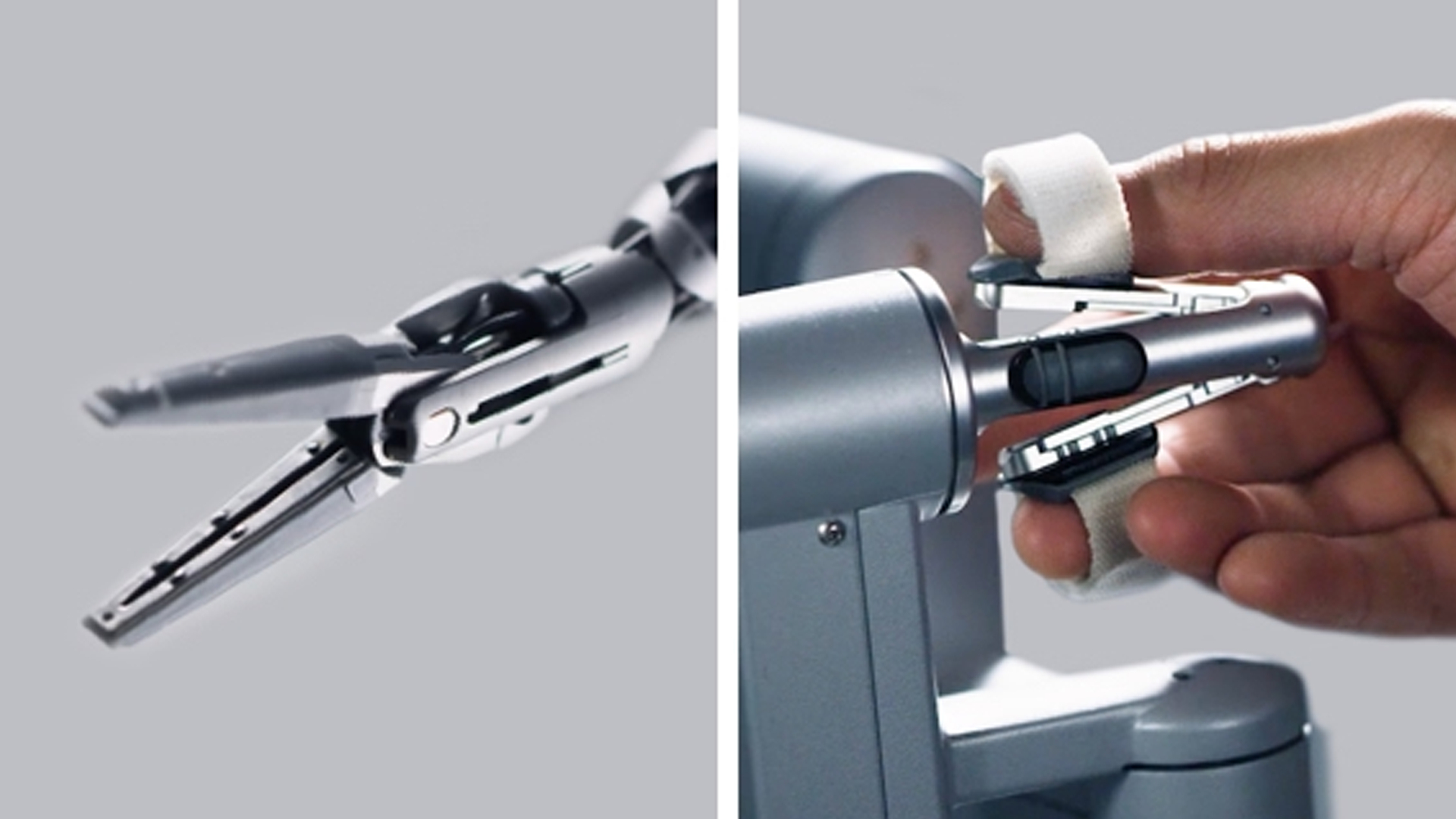
For the diagnosis and treatment of large cell lung carcinomas, da Vinci technology provides a minimally invasive approach to lung cancer surgery, including lobectomies, segmentectomies, and wedge resections. This system allows for surgery through small incisions, using precise instruments controlled by a surgeon.
Da Vinci’s high-definition 3D vision system provides enhanced visibility, facilitating delicate tissue manipulation without the need for large incisions, potentially making it a suitable option for obtaining lung carcinoma biopsy samples in a less invasive manner.
Video-assisted thoracoscopic surgery (VATS) is another minimally invasive option for lung surgeries, including biopsies to diagnose conditions like large cell carcinomas. VATS involves small incisions through which a camera and surgical instruments are inserted, enabling resection without open surgery.
Choosing between video-assisted and robotic-assisted surgery for lung biopsies of large cell carcinomas depends on various factors, including the specific nature of the lung condition, the surgeon’s expertise, and the patient’s needs. VATS offers a minimally invasive approach that provides direct visualisation and control of surgical instruments. In contrast, da Vinci’s robotic surgery provides enhanced precision, flexibility, and control through robotic assistance, potentially leading to less pain and faster recovery.
Ultimately, the decision should be made in consultation with a thoracic surgeon, taking into account the most appropriate approach for the patient’s unique circumstances.
Being the third most prevalent cancer in both men and women in Singapore, the magnitude of the problem of lung cancer lies in the high mortality rates, in perspective, compared with other cancers, responsible for 5,992 deaths in 5 years.
The lung cancer stage plays a predictive role in a patient’s long-term outcome. The 5-year survival rate typically reflects prognosis and estimates the percentage of people who will survive at least 5 years after diagnosis. Early screening for both men and women is crucial because undifferentiated cancers like LCLC can be aggressive, often leading to worse survival rates compared to other types of cancer.
The stage of lung cancer can help improve the long-term health of lung cancer patients living beyond five years following their initial diagnosis. Undifferentiated cancers, such as large-cell lung carcinomas, tend to be more aggressive, often resulting in lower survival rates compared to other cancer types.
Screening for Large Cell Lung Carcinoma
Consequently, early screening becomes significantly important for both men and women, particularly within populations at an elevated risk for lung cancer. Early detection can lead to timely intervention, potentially improving outcomes and survival rates.
Neumark Lung Cancer Treatment Centre in Singapore specialises in thoracic care and focuses on delivering optimal patient outcomes for a healthier future. If you are concerned about a recent lung cancer diagnosis, arrange a consultation with our lung specialist today.