

If you’re reading this, chances are you or someone you know has been diagnosed with a loculated pneumothorax. It’s not a common term, and it can be pretty scary to hear. Let’s break it down and talk about what it really means.
First off, what is a loculated pneumothorax? Simply put, it’s a collapsed lung in which air gets trapped in pockets within the chest cavity. Unlike a regular pneumothorax, where air moves freely around, these pockets are separated by tissue adhesions. It’s like having multiple small air bubbles stuck in your chest instead of one large one.
You might be wondering what causes this. There’s no single answer because the causes of loculated pneumothorax can vary. Sometimes it’s due to chest injury or trauma. Other times, it’s a complication of lung diseases like pneumonia or cancer. And, sometimes, medical procedures can inadvertently cause it. It’s not anyone’s fault — it’s just one of those things that can happen.
Loculated Pneumothorax Symptoms
Let’s talk about symptoms. Loculated pneumothorax symptoms can be tricky because they’re not always obvious. You might experience:

- Intense shortness of breath: You may feel like you’re struggling for each breath, as if a weight is on your chest, preventing your lungs from fully expanding.
- Sharp chest pain: This pain can intensify with deep breaths or sudden movements, feeling like a stabbing sensation that worsens with every inhale.
- Persistent, dry cough: A cough that feels constant and irritating, as if something is caught in your throat, but without producing any mucus or relief.
But here’s the thing — some people don’t feel much at all. That’s why it’s important to pay attention to your body and not ignore persistent chest discomfort.
One thing that often confuses people is the difference between a loculated pneumothorax and a bulla. Even though both involve air that shouldn’t be in your chest, they’re not the same. Bullae are like blisters on your lungs – air-filled sacs that can rupture. A loculated pneumothorax, on the other hand, is air trapped between your lung and chest wall, divided into separate pockets.
Treatment and Management of Loculated Pneumothorax
Managing a loculated pneumothorax presents significant challenges. Unlike a simple pneumothorax, for which a chest tube insertion might suffice, loculated pneumothoraces often require more complex, tailored interventions. Each case is distinct and requires careful evaluation to determine the most effective combination of therapeutic approaches, which may involve advanced imaging, multiple drainage procedures, or surgical intervention.
Here’s what treatment might involve:
- Imaging-guided drainage: CT scans or ultrasound to precisely locate and drain each air pocket.
- Thoracoscopy: Sometimes, a camera needs to go in to break down the adhesions separating the air pockets.
- Surgery: In more complex cases, damaged lung tissue may have to be removed, or air leaks need to be repaired surgically.
- Intrapleural fibrinolytic therapy: This is a newer approach in which enzymes are used to break down adhesions.
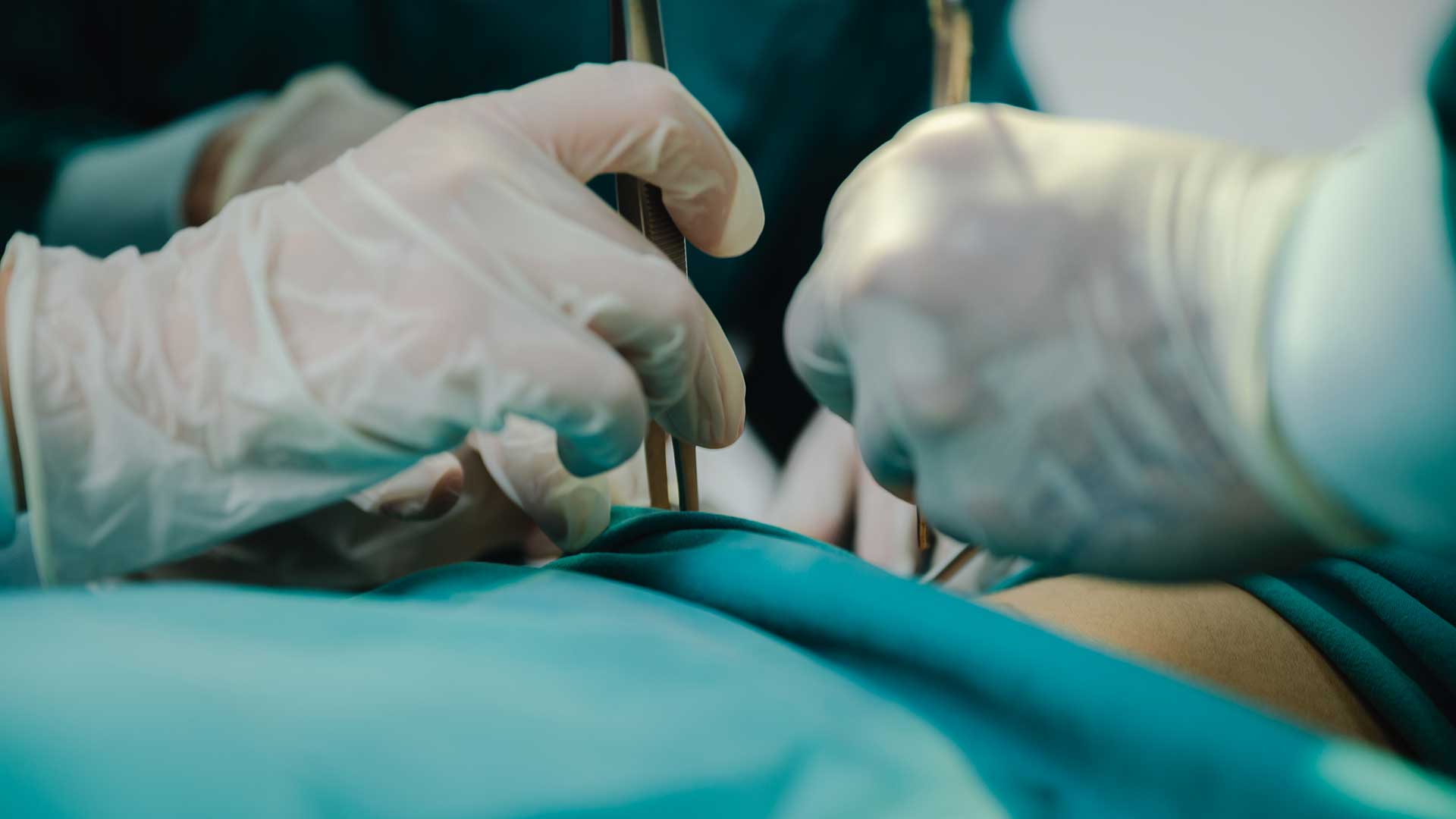
The goal of all these treatments is to restore your lungs to full expansion and prevent the condition from returning.
Recovery time varies from person to person. Some people feel better within a few weeks, while others might take a couple of months to recover fully. It depends on the severity of the condition and how your body responds to treatment.
Living with a loculated pneumothorax can be frustrating, but remember, you’re not alone in this. We at Neumark Lung & Chest Surgery Centre are here to help you through every step of the process.
Lastly, while we can’t always prevent a loculated pneumothorax, there are things you can do to keep your lungs healthy overall. If you smoke, quitting is the best thing you can do for your lungs. Stay active, eat well, and follow up with your doctor regularly, especially if you have underlying lung conditions.
Remember, medical science is always advancing. We’re learning more about loculated pneumothorax all the time, which means better treatments and outcomes for patients.